Travel Medical Insurance: Stay Safe on Your Next Trip

Planning a trip abroad means thinking about the risks and how to avoid them. It’s key to have travel medical insurance for unexpected medical issues.
Traveling without international travel health insurance can be very risky. TD Insurance has plans like the TD Insurance Multi-Trip All-Inclusive Plan and TD Insurance Single-Trip Medical Plan. These are made to give you full coverage.
With the right insurance, you’re safe from medical emergencies. This lets you enjoy your trip without worry.
Key Takeaways
- Travel medical insurance is key for covering medical emergencies abroad.
- TD Insurance offers various plans for different travel needs.
- Traveling without insurance can lead to significant financial risks.
- Adequate insurance coverage provides financial protection and peace of mind.
- It’s essential to choose a plan that fits your travel plans.
What Is Travel Medical Insurance?
Travel medical insurance is key for a worry-free trip. When we travel, we face many risks, like medical emergencies. These can be expensive and hard to deal with in a foreign place.
Definition and Purpose
Travel medical insurance covers medical costs when you’re away from home. It helps with doctor visits, hospital stays, and even emergency evacuations. Its main goal is to protect your wallet from unexpected medical bills, so you can get the care you need without financial stress.
The Government of Canada says your home health plan might not cover all costs abroad. This is true for travelers from other countries too. It shows how important it is to have good medical coverage when you’re traveling.
Importance for Travelers
For travelers, medical insurance is more than just a safety net; it’s essential. Medical emergencies can happen anytime, and without insurance, the bills can be huge. With travel medical insurance, you can relax knowing you’re covered for any unexpected medical issues.
“The reality is that medical care abroad can be very expensive, and without insurance, travelers may find themselves facing significant financial hardship.”
Also, many insurance plans offer extra benefits. These can include coverage for trip cancellations, lost luggage, and personal liability. This makes travel medical insurance even more valuable for travelers.
Key Benefits of Travel Medical Insurance
Travel medical insurance is a must for any traveler. It protects against unexpected medical costs abroad. With the right plan, you can travel worry-free.
Coverage for Medical Emergencies
Travel medical insurance covers medical emergencies. This includes hospital stays, treatments, and prescriptions. For example, CIBC Travel Insurance offers up to $10 million in emergency medical benefits.
Some key aspects of medical emergency coverage include:
- Emergency Evacuations: Coverage for emergency evacuations to the nearest adequate medical facility.
- Medical Expenses: Reimbursement for medical expenses incurred due to illness or injury.
- Prescription Medications: Coverage for prescription medications required during the trip.
Access to Quality Healthcare Abroad
Travel medical insurance offers financial protection and access to quality healthcare abroad. Many providers have global networks of healthcare providers. This ensures travelers get the best care.
When choosing a travel medical insurance plan, it’s important to consider the coverage and healthcare provider network.
Some benefits of having access to quality healthcare abroad include:
- Direct billing to the insurance company, reducing out-of-pocket expenses.
- Access to a network of reputable healthcare providers.
- Coordination of care, including emergency evacuations if necessary.
Types of Travel Medical Insurance Plans
Travel medical insurance plans are made for everyone, whether you travel often or just once. They protect you from unexpected medical costs while you’re away. The right plan for you depends on how often you travel, where you go, and your personal situation.
Single-Trip vs. Multi-Trip
There are single-trip and multi-trip plans to choose from. Single-trip plans are great for those who don’t travel much. They cover one trip and are often cheaper.
Multi-trip plans are for those who travel a lot. They cover many trips in a year. This can save money if you travel often.
- Single-Trip Plans: Good for those who travel now and then, covering one trip at a time.
- Multi-Trip Plans: Best for those who travel a lot, covering multiple trips in a year.
Group and Family Plans
Traveling with family or friends? There are plans for group and family coverage. These can be cheaper than buying individual policies. They offer similar benefits.
When looking at group or family plans, check the details. Look at coverage limits, deductibles, and what’s not covered. Some plans offer cheap travel medical insurance for families or groups, making it easier to protect everyone.
Seniors have their own travel medical insurance for seniors plans. These plans might have extra benefits or coverage for older travelers.
How to Choose the Right Travel Medical Insurance
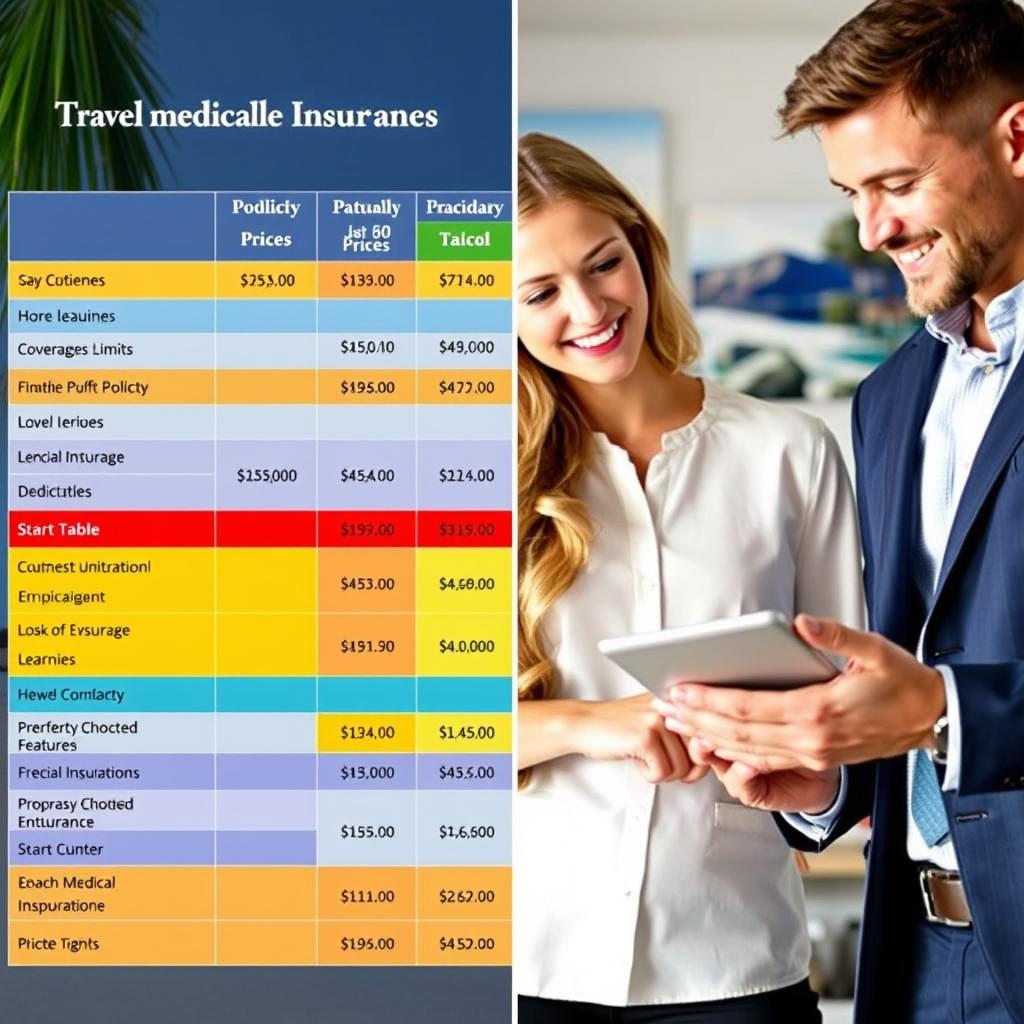
Travel medical insurance is key when planning a trip. It protects you from unexpected medical costs. With many options, picking the right one means looking at your travel plans and comparing what’s covered.
Assessing Your Travel Needs
First, think about your trip. How long will you be away? Longer trips might need long term travel medical insurance. Also, consider where you’re going. Some places have higher healthcare costs.
Your health matters too. If you have health issues, make sure your policy covers them. Think about what you’ll do on your trip. If you’ll be doing risky activities, choose a policy that covers those.
Comparing Coverage Options
After figuring out what you need, compare insurance plans. Look for ones that cover medical emergencies, evacuations, and lost baggage. A travel medical insurance comparison can help find the best fit for you.
When you’re looking, read the details carefully. Know what’s included and what’s not. Here’s a table to help compare key features:
| Feature | Basic Plan | Premium Plan |
|---|---|---|
| Medical Emergency Coverage | Up to $50,000 | Up to $100,000 |
| Evacuation Coverage | Not Included | Up to $50,000 |
| Lost Baggage Coverage | Up to $1,000 | Up to $2,000 |
By understanding your needs and comparing plans, you can pick the right insurance. Aim for a balance between coverage and cost. This way, you’re protected without spending too much.
What Does Travel Medical Insurance Typically Cover?
Travel medical insurance covers many medical and travel-related costs. It’s made to protect against unexpected medical emergencies. This way, travelers can get the care they need without huge bills.
Medical Expenses and Evacuations
One key benefit is covering medical costs. This includes doctor visits, hospital stays, and treatments. Many policies also cover medical evacuations.
Medical evacuation insurance is vital for areas with few medical facilities. It ensures quick transport to better care in emergencies.
The Government of Canada says checking if insurance covers evacuations is important. This is for serious emergencies that need better care than local facilities can offer.
Lost Baggage and Personal Liability
Travel medical insurance also covers lost baggage and personal liability. Lost baggage coverage helps replace essential items if luggage is lost. Personal liability coverage protects against financial loss if you’re responsible for damages or injuries.
Here’s what a typical policy might include:
| Coverage Type | Description | Maximum Benefit |
|---|---|---|
| Medical Expenses | Covers doctor visits, hospital stays, and treatments. | $1,000,000 |
| Medical Evacuation | Covers transportation to a suitable medical facility. | $500,000 |
| Lost Baggage | Reimburses for essential items if baggage is lost or delayed. | $1,000 |
| Personal Liability | Protects against financial loss for damages or injuries to others. | $100,000 |
In summary, travel medical insurance offers wide coverage for travel risks. Knowing what it covers helps travelers choose the right insurance.
Common Exclusions in Travel Medical Insurance
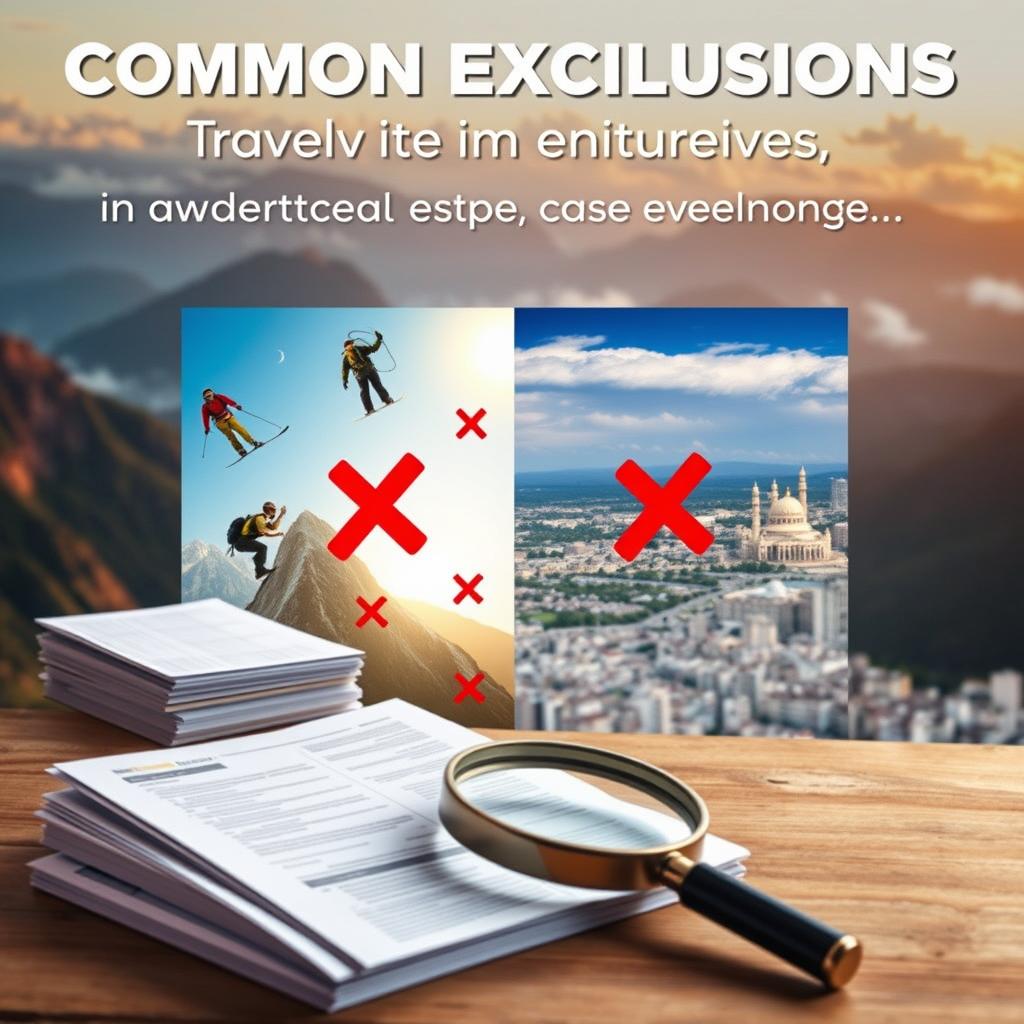
It’s key to know what’s not covered in travel medical insurance. These policies help protect you from sudden medical costs while traveling. But, they often have exclusions that can reduce their help.
Pre-Existing Conditions
Pre-existing medical conditions are a big no-no for most travel insurance. You usually need to buy the insurance quickly after booking your trip to get coverage. For example, TD Insurance makes it clear to check their rules on pre-existing conditions.
It’s vital to read the fine print on pre-existing conditions. Some insurers might waive this rule if you buy the policy soon after booking.
High-Risk Activities
High-risk activities are also often not covered. This includes things like skydiving, bungee jumping, or deep-sea diving. If you plan to do these, check if your policy covers them or if you need extra insurance.
| Activity | Typical Coverage | Additional Coverage Needed |
|---|---|---|
| Skydiving | No | Yes |
| Bungee Jumping | No | Yes |
| Deep-Sea Diving | Sometimes | Depends on Policy |
Knowing about these exclusions helps travelers make better choices. It ensures they get the right coverage for their needs.
The Cost of Travel Medical Insurance
The cost of travel medical insurance changes a lot. It depends on your age and where you’re going. Knowing these things helps you choose the right insurance.
Factors Influencing Premiums
Several important factors affect how much you pay for travel medical insurance. Age is a big one. Older travelers might face more health issues on their trips. Pre-existing medical conditions also play a part, as they might lead to more claims.
The destination of your trip is also key. Going to places with high healthcare costs or health risks can raise your premiums. The length of your trip matters too. Longer trips cost more to insure.
Average Prices by Destination
Prices for travel medical insurance vary a lot by destination. For instance, trips to the United States, with its high healthcare costs, cost more to insure. Countries with lower medical costs are cheaper.
- Trips to Europe: Average cost ranges from $20 to $50 per person for a week-long trip.
- Trips to the United States: Average cost can range from $30 to $70 per person for a week-long trip, due to higher medical costs.
- Trips to Southeast Asia: Average cost is generally lower, ranging from $15 to $30 per person for a week-long trip.
Travelers should look into and compare different insurance options. This way, they can find the best coverage at a good price.
How to File a Claim

Travelers should start by gathering all necessary documents for a smooth claim process. Filing a claim for travel medical insurance involves several important steps. These steps, when followed correctly, can make the experience efficient and hassle-free.
Essential Documentation Needed
Before starting the claim process, it’s important to have all required documents ready. This includes medical records, receipts for medical services, and a detailed account of the incident. Keeping these documents organized will make the filing a claim process much simpler.
- Medical records and diagnosis
- Receipts for all medical treatments and services
- Policy number and insurance details
- A detailed description of the incident or condition
Step-by-Step Claim Process
Filing a claim involves several steps that must be followed in order. First, notify your insurance provider as soon as possible after the incident. Most insurance companies have a dedicated claims department or a 24-hour hotline for this purpose.
- Notify your insurance provider immediately
- Submit the required documentation
- Fill out the claim form accurately
- Wait for the claim to be processed
It’s vital to be thorough and accurate when filling out the claim form. Any discrepancies or missing information can delay your claim. Once submitted, the insurance company will review your claim and may ask for more information.
By understanding the process and being prepared, travelers can confidently navigate the travel insurance claim process. Keeping detailed records and following the insurer’s guidelines are essential for a successful claim.
Frequently Asked Questions About Travel Medical Insurance
Travel medical insurance can seem confusing. But, knowing the answers to common questions makes it easier. People often ask if they really need insurance for their trips.
Do I Need Insurance for Short Trips?
Many wonder if they need insurance for short trips. The answer is yes; even short trips can be risky. Medical emergencies can happen anytime, and insurance can protect your wallet.
Consider these scenarios where insurance is key:
- Unexpected medical emergencies that need quick attention
- Trip cancellations or interruptions due to unexpected events
- Lost or stolen baggage with essential items
Can I Purchase Insurance After Booking?
Yes, you can buy travel medical insurance after booking. But, it’s best to get it as soon as you book. This way, you get the most benefits, like trip cancellation insurance.
Make sure to review the policy:
- Know what’s covered and what’s not
- Understand the claims process in emergencies
- Check if it covers pre-existing conditions or high-risk activities
By knowing the answers to these questions, travelers can make smart choices about their insurance. Being prepared and protected against unexpected costs is always a good idea.
Conclusion: Ensure Your Safety on Every Journey
Travel medical insurance is key for any trip. It protects your finances and gives you access to quality healthcare abroad. Knowing its value helps you plan better for your travels.
Protecting Your Health and Finances
Travel medical insurance has many benefits. It covers medical emergencies, evacuations, and lost baggage. Buying it early means you’re covered from the start.
Take Action Before Your Next Trip
Don’t wait to get your travel medical insurance. Look for a policy that fits your needs before your trip. This step ensures you’re financially secure and can enjoy your travels without worry.
Putting your health and finances first makes your journey safe and fun. The value of travel medical insurance is huge. Buying it early is a smart move for your next adventure.
FAQ
What is travel medical insurance, and why do I need it?
Do I need travel medical insurance for a short trip?
Can I purchase travel medical insurance after booking my trip?
What is the difference between single-trip and multi-trip travel medical insurance?
Are pre-existing medical conditions covered under travel medical insurance?
How do I choose the right travel medical insurance plan?
What is typically covered under travel medical insurance?
How do I file a claim under my travel medical insurance?
What factors influence the cost of travel medical insurance?
Can I purchase long-term travel medical insurance?
Is travel medical insurance for seniors different from standard plans?
Can I purchase international travel health insurance?
What is emergency travel medical insurance?
How can I find cheap travel medical insurance?

About the Author: Macelo
A professional dedicated to producing informative content for the automotive and insurance sectors, focusing on consumer education and practical analysis of products and services. They develop texts covering topics ranging from vehicle maintenance and use to insurance contracts, coverage comparisons, and risk assessment, always using accessible and up-to-date language.