Specialized Pet Insurance Policies for Your Furry Friend

Bringing a new pet home is incredibly joyful. But, it also means big financial responsibilities. Veterinary care costs keep going up in the U.S. Many pet owners find that standard insurance doesn’t cover all health issues.
Specialized pet insurance policies are a key asset for today’s families. They offer custom protection for certain breeds or life stages. This way, you can choose a plan that fits your pet’s health needs, giving you true peace of mind.
Planning ahead means you won’t have to choose between your budget and your pet’s health. Getting the right insurance now prepares you for future challenges.
Key Takeaways
- Modern veterinary care costs are rising, making financial planning essential.
- Generic coverage often lacks the depth required for specific health conditions.
- Targeted plans provide better value by focusing on breed-specific risks.
- Securing coverage early prevents future issues with pre-existing conditions.
- Smart financial choices allow you to prioritize your animal’s health without stress.
Understanding Specialized Pet Insurance Policies
Specialized pet insurance policies are made for your pet’s specific health needs. They are different from basic plans that cover a lot but not everything. These tailored options make sure your pet gets the care they need for life.
What Are Specialized Pet Insurance Policies?
These plans are for pets with special health needs, like high-risk breeds or chronic conditions. They cover more than just accidents. Specialized pet insurance policies include detailed tests, managing hereditary conditions, and health risks specific to certain breeds.
These policies look closely at your pet’s health. They offer coverage based on your pet’s age, breed, and lifestyle. This way, you only pay for what’s likely to happen to your pet, not for things that might not.
Why Choose Specialized Policies Over Standard Options?
Choosing a plan that fits your pet’s needs can greatly improve their health. With specialized pet insurance policies, you get care that standard plans often don’t cover. This is especially important for purebred pets prone to genetic issues.
These policies give you financial peace of mind by covering expensive treatments. By picking a plan that matches your pet’s needs, you’re investing in their future health. This choice helps you avoid surprise costs and ensures your pet gets top-notch care.
Types of Specialized Pet Insurance Policies
Today, pet owners can choose from many insurance plans. These plans are made to fit different health needs. Knowing about these options is key to getting good animal health coverage for your pet.
Accident-Only Coverage
This basic plan is for sudden injuries. It covers things like broken bones, cuts, or eating something they shouldn’t.
It’s the cheapest option but doesn’t cover illnesses. So, it’s best for those watching their budget closely.
Comprehensive Coverage
Many choose comprehensive coverage for pet healthcare for its wide protection. It covers accidents and illnesses, like cancer, allergies, and stomach problems.
This plan is like a safety net for your pet. It costs more, but the peace of mind it offers is priceless.
Breed-Specific Insurance
Some pets are more likely to get certain health problems because of their breed. Breed-specific policies are made for these risks.
These plans cover hereditary issues that regular policies might not. Talking to your vet can help decide if your pet needs this special coverage.
| Policy Type | Primary Focus | Best For |
|---|---|---|
| Accident-Only | Sudden Injuries | Budget-conscious owners |
| Comprehensive | Illness & Injury | Total peace of mind |
| Breed-Specific | Genetic Conditions | High-risk purebreds |
Benefits of Specialized Pet Insurance
Specialized insurance policies are made to fit your pet’s unique medical needs. They go beyond the usual plans. This way, your animal health coverage matches your pet’s lifestyle and medical history perfectly.
Customized Care for Unique Needs
Every pet has its own needs based on its environment and daily life. Specialized plans let you pick riders or add-ons for specific risks. This means you only pay for what your pet really needs, keeping your specialized coverage for pet emergencies strong.
Financial Support for High-Risk Breeds
Some breeds are more likely to have chronic health problems. This can lead to high vet bills. A policy that covers these risks is a big help. It keeps your finances safe during health emergencies.
“Proactive planning for your pet’s health is the most effective way to ensure they receive the best care without compromising your financial future.”
Coverage for Pre-Existing Conditions
The pet insurance market is changing fast. Now, many plans cover pre-existing conditions after a waiting period. Whether you have a common pet or an exotic one, there are more options. Here are some benefits of these new policies:
- Reduced financial stress during emergencies.
- Access to more specialized veterinary care.
- Long-term savings with breed-specific protection.
Factors to Consider When Choosing a Policy
Your pet’s health journey is unique, and finding the right coverage is key to protecting their future. Many owners find that customized pet insurance plans offer the best care and value. It’s important to consider your pet’s needs and your financial situation carefully.
Age and Breed of Your Pet
The age of your pet greatly affects insurance costs. Young pets often get lower rates, while older pets may pay more due to health risks. Getting coverage early is crucial to protect your pet before health issues arise.
Breed also matters a lot. Some breeds are more prone to certain health problems, affecting both cost and coverage. With customized pet insurance plans, you can cover breed-specific risks effectively.
Your Budget and Coverage Needs
Finding the right balance between cost and medical protection is tricky. You need to weigh monthly premiums against potential emergency costs. Many insurers offer flexible plans to adjust deductibles and reimbursement levels to fit your budget.
Don’t just look at the initial cost of a plan. A cheap plan might not cover your pet’s needs when they’re sick. The table below shows how different factors affect your choices:
| Factor | Impact on Premium | Coverage Priority |
|---|---|---|
| Pet Age | Increases with age | High for senior care |
| Breed Risk | Higher for predisposed breeds | High for hereditary issues |
| Deductible | Lower with higher deductible | Medium for routine visits |
| Reimbursement | Higher with better coverage | Critical for major surgery |
The goal is to find a plan that gives you peace of mind without breaking the bank. By focusing on your pet’s health needs, you can choose customized pet insurance plans that protect them for years.
How to Compare Specialized Pet Insurance Providers
Finding the right pet insurance can be tough without a clear plan. When searching for customized pet insurance plans, don’t just look at the cost. It’s important to check for any hidden issues or poor service history.
Researching Insurer Reputations
Begin by checking the financial health and reputation of potential providers. Look for ratings from places like A.M. Best or the Better Business Bureau. They give objective data on a company’s financial stability and history.
A stable company is more likely to pay claims on time. Transparency is key. Choose insurers that clearly share their rules and licenses on their websites.
Reading Customer Reviews
Real feedback from other pet owners can show you how an insurance company works. Look for patterns in reviews about claim processing and communication. Consistency in good feedback means a reliable company.
Watch out for companies with many complaints about denied claims. By checking these details, you can find customized pet insurance plans that truly offer peace of mind for you and your pet.
Understanding Policy Terminology
Learning the terms in your policy is key to getting the most from your pet medical benefits. Insurance contracts use complex language that can be hard to understand. Knowing these terms helps you be ready when your pet needs care.
Common Terms in Pet Insurance
Policies use specific terms to explain what’s covered. A waiting period is the time you wait before coverage starts. Exclusions are conditions or treatments not covered by the insurer.
The reimbursement rate shows how much of the vet bill the company will pay. Knowing this helps you figure out how much you’ll have to pay yourself.

How to Decode the Fine Print
Reading the fine print carefully helps avoid surprises when you file a claim. Look for the summary of benefits page for a clear overview. This page usually highlights the main pet medical benefits and what’s not covered.
If a clause is unclear, contact your provider. Ask for written clarification on pre-existing conditions or chronic illnesses. Being proactive ensures you get the best value for your pet’s health.
Common Exclusions in Pet Insurance Policies
When you look at pet insurance, it’s key to know what’s not covered. You want the best pet medical benefits for your pet. But, every policy has limits that show what you’re really getting.
What’s Often Not Covered?
Insurance companies list things they don’t cover. Knowing these gaps is crucial when you protect your pet with top-rated pet insurance. This helps you avoid surprise costs.
Here are some common exclusions:
- Elective procedures like tail docking or ear cropping.
- Routine grooming, nail trimming, and non-medical boarding.
- Pre-existing conditions that happened before you got the policy.
- Expenses from breeding or pregnancy issues.
Limitations on Certain Conditions
Some policies have special rules for complex health issues. These rules help keep costs down for everyone. They make sure pet medical benefits stay available for all.
For example, many plans have a waiting period for genetic or birth defects. Some chronic illnesses might need a higher deductible or a cap on how much you can get back. Always check your policy to see how these limitations could affect your pet’s future care.
How Claims Work in Specialized Policies
Knowing how to file a claim helps you get the most from your specialized coverage for pet emergencies. The process might seem tough during a pet’s health crisis. But, most providers have made it easier for you.
By following a simple, structured method, you can ensure your claim is processed quickly. Understanding what your unique pet insurance options need is key. You’ll need to know what documents your insurer requires.
Filing a Claim: Step-by-Step
First, get a detailed invoice from your vet. Make sure it lists the diagnosis, treatments, and all costs.
Then, log into your provider’s online portal or mobile app to start the claim. You’ll need to upload the invoice and answer a few questions about the visit. Accuracy is vital to avoid delays or requests for more info.
After you submit, the insurance company will check your claim against your policy. If it’s covered, they’ll figure out how much you’ll get back. You’ll then get a notice about your payment status.
Timelines for Claim Processing
Knowing when to expect your money back helps with budgeting. Most insurers aim to process claims in 5 to 10 business days. But, complex cases might take longer.
Keep track of when you sent in your claim. If you haven’t heard back in the expected time, reach out to customer support. They can update you on your unique pet insurance options.
| Submission Method | Average Processing Time | Documentation Required |
|---|---|---|
| Mobile App | 3-5 Business Days | Digital Invoice & Receipt |
| Online Portal | 5-7 Business Days | Itemized Vet Records |
| Email/Mail | 10-14 Business Days | Signed Claim Form & Invoices |
The Role of Co-payments and Deductibles
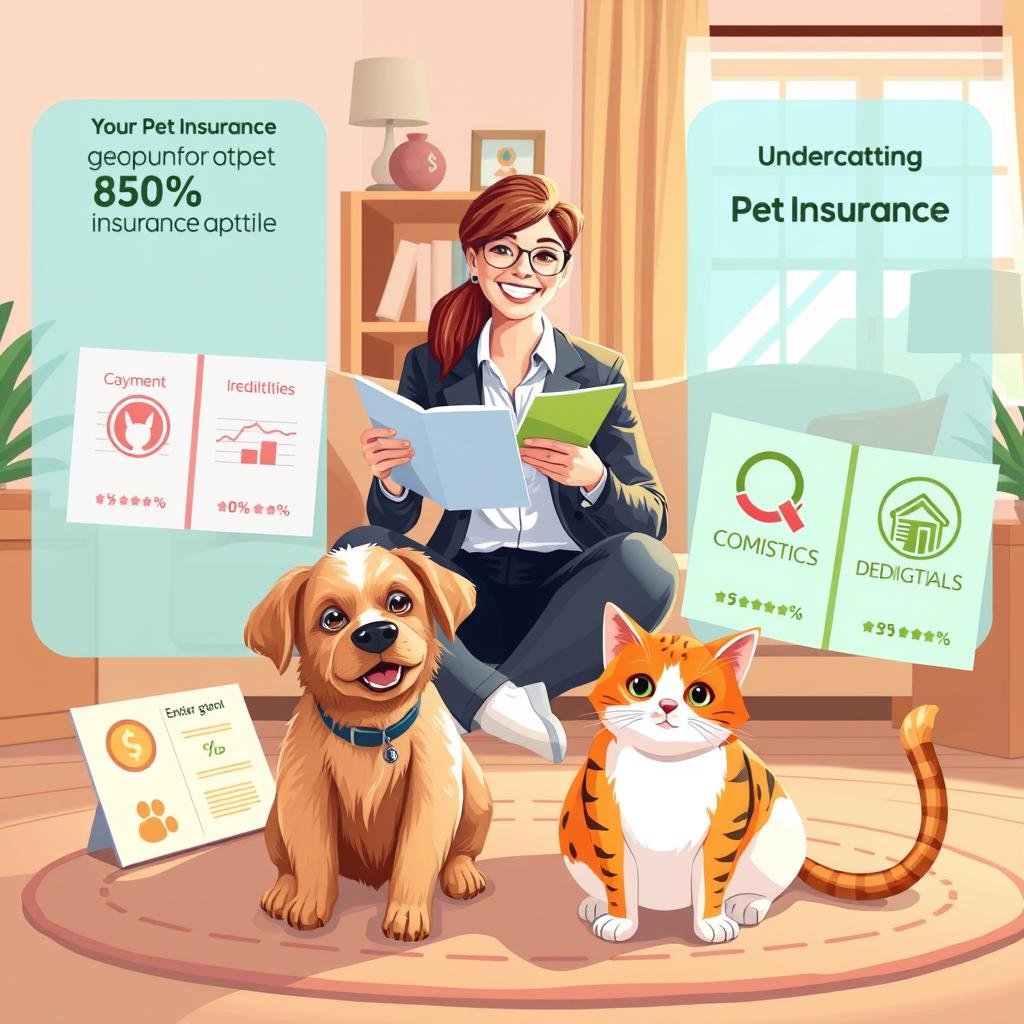
When you look into unique pet insurance options, you’ll see two key parts: co-payments and deductibles. These parts affect how much you pay each month and what you owe when your pet needs care. By tweaking these, you can tailor your financial commitment to your pet’s health.
Understanding Co-payments
A co-payment, or co-insurance, is the percentage of the vet bill you pay. Providers usually offer choices between 10% and 30%. Picking a higher percentage means a lower monthly premium.
This setup helps you manage your money now and later. If you want steady monthly costs, choose a lower co-payment. But, this might raise your monthly bill.
What are Deductibles?
A deductible is the fixed dollar amount you pay before insurance kicks in. After you meet this amount for the year, the insurer covers the rest. Deductibles are common in many unique pet insurance options today.
Choosing a higher deductible lowers your monthly payments. But, a lower deductible means less upfront cost for you. Here’s how these choices usually work:
| Variable | Low Monthly Premium | High Monthly Premium |
|---|---|---|
| Deductible | High Amount | Low Amount |
| Co-payment | Higher Percentage | Lower Percentage |
| Out-of-Pocket Risk | Higher | Lower |
Finding the right mix depends on your finances and your pet’s health needs. Carefully reviewing these numbers helps avoid surprises at the vet. Adjusting these settings lets you create a plan that suits your life.
Specialty Care and Referral Coverage
When your pet faces a complex health challenge, standard vet care might not be enough. Many owners find that tailored insurance for pets offers the financial safety they need. This is especially true when a vet suggests seeing a board-certified specialist.
Whether your pet needs an oncologist, cardiologist, or neurologist, the right coverage is crucial. It can significantly improve the quality of care they receive.
Coverage for Specialty Vets
Specialized vet care includes advanced testing and expensive treatments. It’s vital to check if your policy covers these services. You can explore various options to make sure your plan includes expert consultations.
Proactive planning helps manage long-term health costs. By choosing a policy that covers specialty procedures, you avoid unexpected expenses. Always check your policy to confirm which specialists are in your network.
Importance of Referral Processes
Most insurance providers need a formal referral from your primary vet for specialty services. This ensures the care is medically necessary. If you’re looking to find the best pet insurance, pay attention to referral requirements.
Following the correct referral steps is crucial for claim approval. Here are some common requirements:
- Primary Vet Approval: Your regular vet must document the need for a specialist.
- Pre-Authorization: Some insurers require a request before the appointment.
- Medical Records: Ensure all diagnostic history is transferred to the specialist to avoid redundant testing.
By following these protocols, your tailored insurance for pets will be effective when needed. Clear communication between your vet and the specialist streamlines the claims process. This allows you to focus on your pet’s health.
Frequently Asked Questions about Pet Insurance
When you start looking into tailored insurance for pets, you might have many questions. Understanding these can help you choose the best insurance for your pet. Most providers offer clear guidelines to help manage your expectations.
Do Specialized Policies Cover Wellness Visits?
Many owners think all medical costs are covered in one package. But, this is not always true. Preventative care, like annual exams and vaccinations, is often a separate category. You might need to add a wellness rider to your policy for these costs.
It’s crucial to check your contract to see if these services are included. Or if they need an extra monthly fee. With tailored insurance for pets, you can choose how much coverage you need for routine care versus emergencies.
Can I Switch Plans?
You can switch insurance providers anytime, but consider a few things first. If your pet has a chronic condition, a new insurer might not cover it. Always compare the new policy’s waiting periods and benefit limits to your current one. This ensures you don’t lose important coverage.
| Feature | Standard Policy | Specialized Policy |
|---|---|---|
| Accident Coverage | Included | Included |
| Wellness/Preventative | Optional Rider | Often Integrated |
| Breed-Specific Care | Limited | Comprehensive |
| Flexibility | Fixed Terms | Highly Customizable |
Changing providers should be based on a detailed analysis of your pet’s health history. While tailored insurance for pets offers flexibility, sticking with a consistent policy can be more secure for your pet in the long run.
Real-Life Scenarios: When Specialized Insurance Helps
Real-world experiences show how targeted coverage makes tough medical situations easier. Many owners find that a policy made for their pet’s needs gives them essential peace of mind when things get stressful.
Case Studies of Pet Owners
A Golden Retriever owner had to pay over five thousand dollars for emergency surgery. But thanks to a specialized plan, the costs were covered for nearly eighty percent. This let the owner focus on the dog’s recovery, not the bill.
Another story is about a cat with a chronic kidney condition. The cat needed regular care and expensive medication. But because the owner had a good policy, the costs were manageable. This ensured the cat got consistent, high-quality care for years.
Financial Relief Scenarios
Specialized insurance isn’t just for common pets. It’s also crucial for owners of reptiles or birds. These pets often need care that regular clinics can’t provide.
When an exotic pet gets sick, the vet bills can be huge. A policy that covers coverage for exotic pets helps owners. It lets them get the advanced care their pets need without breaking the bank.
In the end, being prepared is key for any pet owner. Whether it’s a sudden emergency or a long-term illness, the right insurance is a powerful safety net. It saves your money and makes sure your pet gets the care they need.
The Future of Specialized Pet Insurance
New technologies are changing specialized pet insurance policies for the better. The vet field is getting more digital, and insurance is keeping up. This means better care for all pets.
Trends in Coverage Options
Telehealth services are now part of many plans. This lets pets and owners avoid long waits and stress. It’s all about quick, easy vet advice from home.
AI is also making a big impact. It looks at medical records to spot health problems early. This helps keep pets healthy and can save money in the long run.
Innovations in Policy Design
New plans are more inclusive and user-friendly. They’re moving away from one-size-fits-all to fit each pet’s needs. This makes insurance more personal and effective.
Online tools are making things easier too. You can manage your account and claims on your phone. This means less hassle and more time for your pet.
| Feature | Traditional Insurance | Future-Focused Insurance |
|---|---|---|
| Consultation Access | In-person visits only | Telehealth and remote triage |
| Diagnostic Tools | Manual review | AI-driven predictive analysis |
| Policy Flexibility | Fixed, rigid plans | Modular, customizable options |
| Claim Processing | Paper-based or slow digital | Instant, automated approvals |
Conclusion: Investing in Your Pet’s Health
Choosing the right protection for your pet is a big step towards their health. It keeps your budget steady, even when medical costs pop up unexpectedly.
This forward-thinking approach helps you avoid financial worries. You can pick the best treatments from top vets like VCA Animal Hospitals or BluePearl Specialty and Emergency Pet Hospital.
Protecting Your Financial Assets
A good insurance plan protects your savings. It stops you from having to choose between your money and your pet’s health. Investing in quality coverage today means a secure future for your pet.
Lasting Peace of Mind
Knowing you’re ready for any health issue brings real comfort. With comprehensive coverage, you won’t worry about unexpected costs. This lets you enjoy making happy memories with your pet.
Look into your options and choose a plan that suits you. Your pet deserves the best care, and you’ll feel confident about their future.
FAQ
What makes specialized pet insurance policies different from standard coverage?
Are there tailored insurance for pets that cover exotic animals like birds or reptiles?
Does comprehensive coverage for pet healthcare include routine wellness visits?
How do deductibles and co-payments impact the cost of customized pet insurance plans?
Can I get specialized coverage for pet emergencies if my pet is already a senior?
Why should I choose breed-specific insurance for my purebred dog or cat?
How do I compare the reputations of different pet insurance providers?
What are the common exclusions in specialized pet insurance policies?
Is it possible to switch insurance plans if I find a better rate elsewhere?
How is technology changing the future of unique pet insurance options?

About the Author: Macelo
A professional dedicated to producing informative content for the automotive and insurance sectors, focusing on consumer education and practical analysis of products and services. They develop texts covering topics ranging from vehicle maintenance and use to insurance contracts, coverage comparisons, and risk assessment, always using accessible and up-to-date language.