Renters Liability Insurance: Essential Protection for Tenants

As a tenant, keeping your finances safe is key. Renters liability insurance is a must-have. It protects your stuff and gives you financial security in case of accidents or damage.
Renters insurance is like home insurance but for your stuff, not the building. It helps if you accidentally damage someone else’s property or hurt them.
Key Takeaways
- Renters liability insurance protects tenants from financial loss.
- It covers personal belongings against damage or loss.
- Provides liability protection in case of accidents.
- Essential for safeguarding financial well-being.
- Different from home insurance, focusing on contents.
Understanding Renters Insurance Liability Coverage
Learning about renters insurance liability coverage can prevent big financial losses. This part of renters insurance protects you if you’re blamed for injuries or property damage to others.
What Is Renters Insurance Liability?
Renters insurance liability coverage helps protect you from financial loss. It covers legal costs and damages awarded to others, up to your policy’s limit.
Key aspects of renters insurance liability coverage include:
- Personal liability coverage, which helps protect you if someone is injured in your rental unit.
- Coverage for damages to other people’s property, whether the damage is accidental or unintentional.
- Legal defense costs, which can be substantial even if you’re not found liable.
Why It’s Important for Tenants
Liability coverage is key for tenants because it protects them from huge financial losses. Without it, tenants might have to pay a lot for legal fees and damages.
For example, if a guest slips and falls in your rental unit, they might sue you. Liability coverage can be a big help in such situations.
Liability coverage is not just about avoiding lawsuits. It also helps tenants deal with unexpected financial stress without losing everything.
Key Components of Renters Insurance Policies
Renters insurance policies offer a wide range of protection. It’s important to know what they cover. A typical policy includes several key parts that work together to keep you safe and secure.
Personal Property Protection
Personal property protection is a key part of renters insurance. It covers your stuff against theft, fire, and other damage. This means you can replace or fix your belongings if they get damaged.
Key aspects of personal property protection include:
- Coverage for personal belongings like furniture, electronics, and clothes
- Protection against theft and natural disasters
- The option to choose between actual cash value or replacement cost coverage
Liability Coverage Explained
Liability coverage is another important part of renters insurance. It helps if you accidentally hurt someone or damage their property. This coverage can pay for medical bills, legal fees, and damages in a lawsuit.
The importance of liability coverage cannot be overstated:
- It provides financial protection in case of accidents or injuries in your rental unit
- It covers damages to other people’s property, such as their belongings or structures
- It can help protect your assets in the event of a lawsuit
Additional Living Expenses
Additional living expenses (ALE) coverage is vital. It helps you keep up your standard of living if your rental is damaged. ALE covers temporary housing, food, and other living costs, so you can recover without financial stress.
ALE coverage includes:
- Temporary housing costs, such as hotel stays or rental of another dwelling
- Increased food expenses due to the need for dining out or ordering takeout
- Other necessary expenses, such as laundry or storage costs
Common Misconceptions about Renters Insurance
Many people think renters insurance is not needed. This is because they don’t know what it covers or how much it costs. This lack of knowledge can leave tenants at risk.
“I Don’t Need Renters Insurance”
But renters insurance is actually very important. It protects your stuff from theft, damage, or loss. It also covers you if someone gets hurt in your place.
For example, if a guest gets hurt in your apartment, your insurance can help pay for their medical bills. This is something many people don’t think about until it happens.
“My Landlord’s Insurance Covers Everything”
Some renters think their landlord’s insurance covers them. But that’s not true. Landlord’s insurance only covers the building, not your stuff or if someone gets hurt.
“Renters Insurance Is Too Expensive”
Many think renters insurance is too pricey. But it’s actually pretty affordable. To get a good deal, it’s smart to compare renters insurance quotes from different companies.
| Insurance Provider | Average Annual Premium | Coverage Limit |
|---|---|---|
| Provider A | $150 | $30,000 |
| Provider B | $180 | $40,000 |
| Provider C | $120 | $25,000 |
By knowing the facts and comparing options, renters can choose wisely. It’s key to see past the myths and understand the real value of renters insurance. This includes the peace of mind that comes with being protected.
To find the best policy, get renters insurance quotes from several companies. This way, you can find the right coverage at a good price.
The Financial Benefits of Renters Insurance
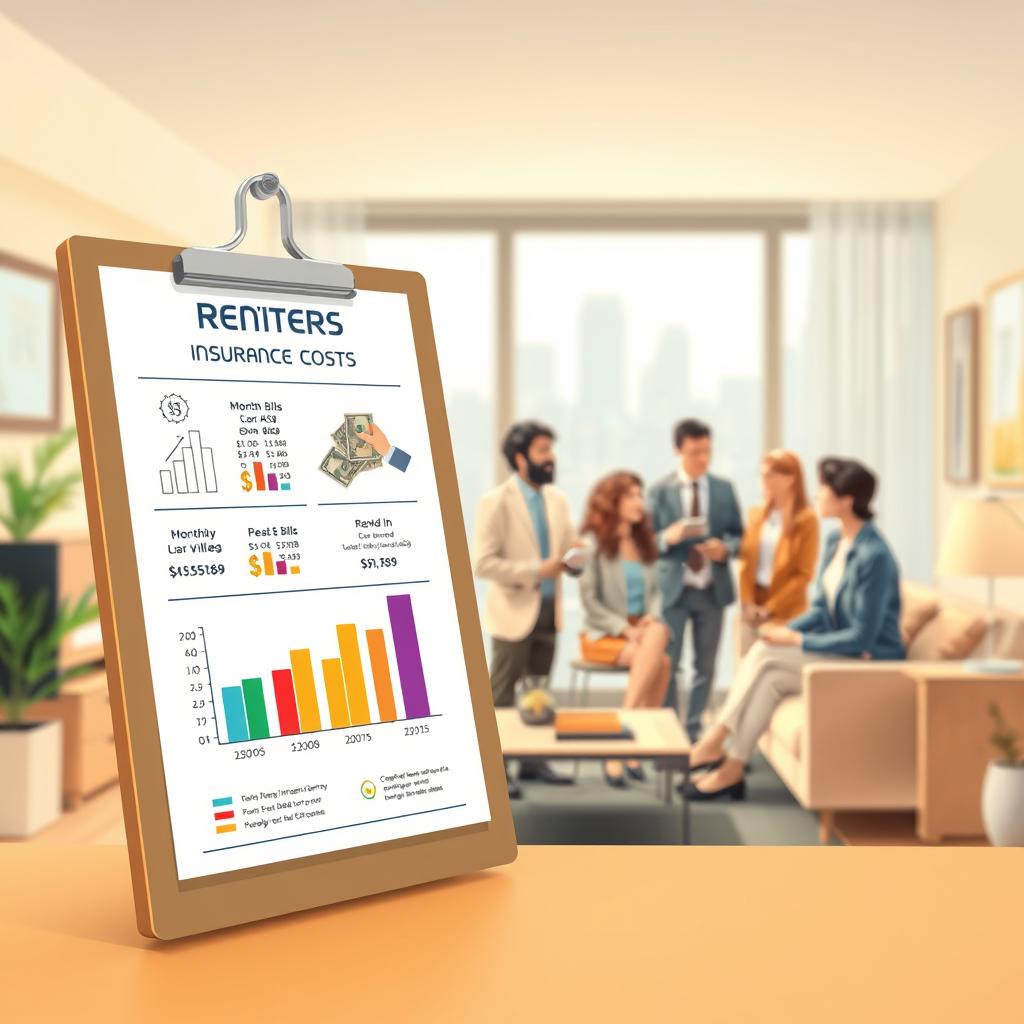
Renters insurance offers many benefits, like covering damages, liability, and extra living costs. It’s made to shield renters from financial risks linked to renting a place.
Avoiding Out-of-Pocket Expenses
Renters insurance helps avoid big costs for damages or losses. For example, if your place gets burgled, it can pay for new items. This saves you money.
Key benefits include:
- Coverage for personal property against theft or damage
- Reimbursement for temporary housing if the rental property becomes uninhabitable
- Protection against financial loss due to liability claims
Legal Cost Protection
Renters insurance also guards against legal costs from liability claims. If someone gets hurt in your place, you might face medical bills or other damages. It can help cover these costs, keeping your money safe.
For example, if someone slips and falls in your rental unit, you could be sued for damages. Renters insurance can help pay for legal fees and any resulting settlements.
Peace of Mind in a Rental Situation
Having renters insurance gives tenants peace of mind. It means they’re protected against many risks. This peace of mind is priceless, letting you live without worry about unexpected financial hits.
To maximize the financial benefits of renters insurance:
- Assess your coverage needs based on the value of your personal belongings and possible liability risks.
- Compare different insurance providers to find the best renters insurance policy that fits your needs and budget.
- Think about adding extra endorsements or riders for more protection.
How to Choose the Right Renters Insurance Policy
Renters can find the right insurance by knowing what they need, comparing policies, and tailoring their plans. This involves several important steps. These steps help tenants make smart choices about their renters insurance.
Assessing Your Coverage Needs
To pick the right renters insurance, you must understand your needs. You should think about the value of your belongings, any liability risks, and what you’ll need if your place is not livable.
Create an inventory of your stuff to figure out its total value. This includes things like electronics, furniture, clothes, and jewelry. Using a spreadsheet or an app can make this easier.
Comparing Insurance Providers
It’s key to compare insurance providers to find the best policy. Look into different companies, their reputation, customer service, and what they offer in terms of coverage.
| Insurance Provider | Coverage Limit | Deductible | Premium |
|---|---|---|---|
| Provider A | $50,000 | $500 | $150/year |
| Provider B | $75,000 | $1,000 | $200/year |
| Provider C | $100,000 | $500 | $250/year |
Policy Customization Options
Many providers let you customize your policy to fit your needs. You can add special coverage for valuable items, home businesses, or specific risks.
For instance, if you have expensive jewelry or art, you can add a rider. This ensures these items are fully covered against loss or damage.
By understanding your needs, comparing providers, and customizing your policy, you can get the right renters insurance. This protects your financial well-being.
Differences between Renters Insurance and Homeowners Insurance

Renters and homeowners insurance have big differences in coverage, cost, and who they help. Both are meant to protect against financial loss. But they meet different needs and situations.
Coverage Scope
The main difference is in what each policy covers. Renters insurance protects personal belongings and liability. It helps tenants if their stuff gets stolen, damaged, or if accidents happen in the rental. Homeowners insurance does the same but also covers the house itself.
It’s important to know this difference when choosing the right insurance for you.
Cost Variations
The cost of renters vs. homeowners insurance is quite different. Renters insurance is usually cheaper because it only covers personal stuff and liability, not the building. Homeowners insurance, which covers the house and personal belongings, costs more.
Costs can change based on the value of what’s insured, where you live, and your insurance history. Knowing these can help you choose the best insurance for you.
Target Audiences
Renters insurance is for people who rent and need protection for their stuff and liability. Homeowners insurance is for those who own a home. It covers the house, personal belongings, and liability.
Insurance companies make policies for each group. This way, everyone gets the right coverage for their needs.
In short, renters and homeowners insurance are both important. But they serve different needs and are for different people. Knowing the differences helps you pick the right insurance.
Coverage Limits and Deductibles
The success of renters insurance depends on two key things: coverage limits and deductibles. Knowing about these is vital for tenants to get the right protection without spending too much.
What Coverage Limits Should You Consider?
Coverage limits show the most an insurer will pay for a claim. Tenants should think about the value of their stuff to pick the right coverage. For example, if your belongings are worth $50,000, choose a policy that covers at least that much.
It’s also key to understand the difference between replacement cost and actual cash value coverage. Replacement cost pays for new items, while actual cash value pays what the item is worth now.
Understanding Deductibles
A deductible is what you pay before insurance kicks in. For instance, if you have a $1,000 claim and a $500 deductible, the insurer will cover $500. Picking a higher deductible can make renters insurance quotes and renters insurance cost lower. But, you’ll pay more when you make a claim.
When to Adjust Coverage Levels
It’s smart for tenants to check and change their coverage and deductibles often. Events like moving, getting new valuable items, or changes in income might mean you need to update your policy.
By looking closely at coverage limits and deductibles, tenants can get the right protection. This helps manage renters insurance cost and makes sure you’re covered for unexpected events.
Factors Influencing Renters Insurance Rates
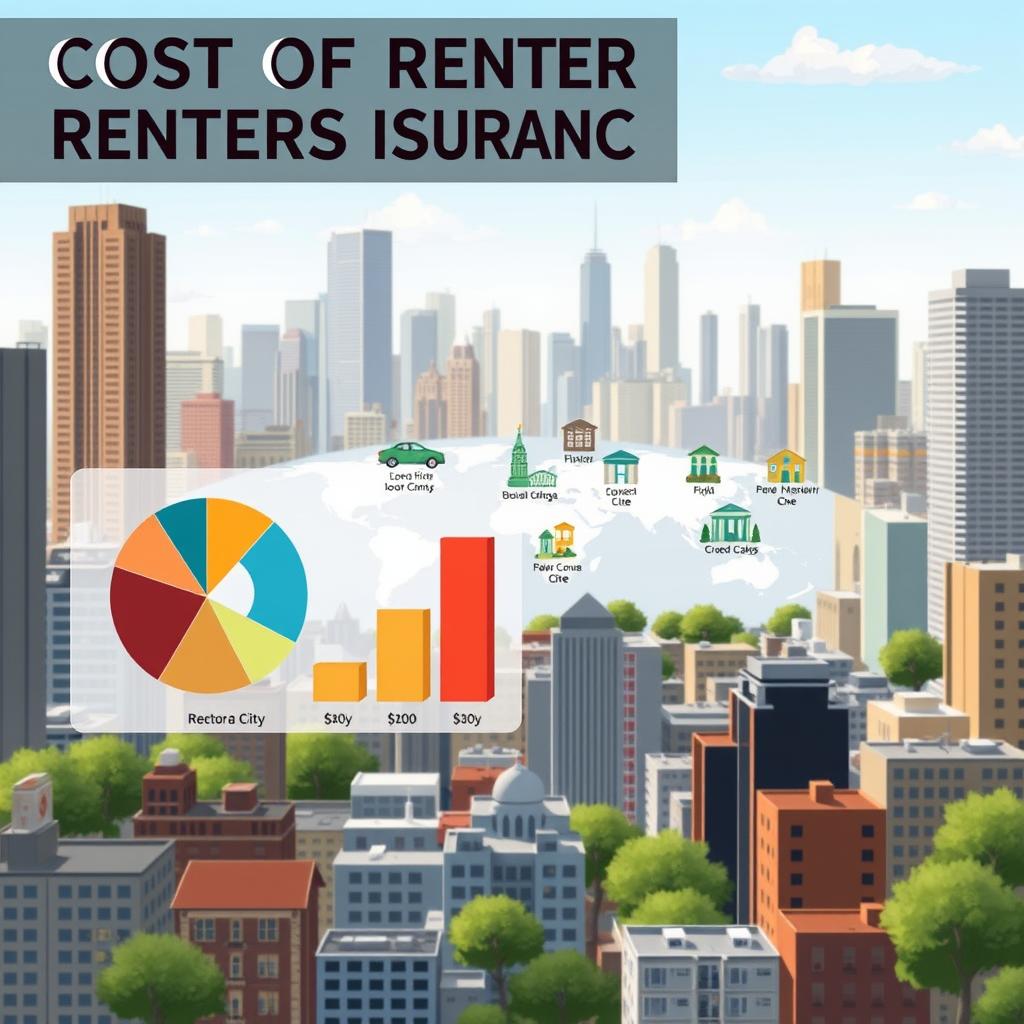
Renters insurance rates are not random. They are shaped by several key factors that renters need to know. Knowing these can help renters choose the right policy.
Geographic Location
The place you live greatly affects your renters insurance rates. Places at risk for disasters like hurricanes or floods cost more. For example, coastal areas usually have higher rates than inland ones.
Insurance pros say, “Location is key in figuring out risk and setting prices.”
“The chance of natural disasters, crime, and being close to fire stations can really change how much you pay.”
Personal Claims History
Your personal claims history also matters. If you’ve filed claims before, you might pay more. This is because past claims suggest you might file again.
But, if you’ve never filed a claim, you could get lower rates. Keeping a clean claims record is important. It means being careful and knowing your coverage well.
Credit Score Impact
Your credit score can also affect your rates. Good credit means you’re financially responsible. This can lead to lower insurance costs.
To get better rates, work on keeping your credit score up. This means managing your money well and paying on time.
Understanding these factors and managing risks can help renters find good insurance deals. This way, they can save money on their insurance.
Filing a Claim: A Step-By-Step Guide
Knowing how to file a claim for your renters insurance can save you a lot of stress. If something happens in your rental, it’s important to know how to handle it. This way, you can get your claim processed quickly and smoothly.
Gathering Necessary Documentation
The first thing to do when filing a claim is to collect all the necessary documents. You’ll need:
- Policy number and details
- A detailed description of the incident
- Photos or videos of the damage
- Police or incident report (if applicable)
- Receipts for any immediate repairs or replacements
Having everything ready will make the process easier. Insurance expert,
“Having thorough documentation is key to a successful claim. It helps the insurance company understand the circumstances and extent of the damage.”
Contacting Your Insurance Provider
Once you have your documents, it’s time to call your insurance company. Most have a claims hotline or online portal. Be ready to give your policy details and a brief summary of what happened.
Tips for a Smooth Claims Process:
| Tip | Description |
|---|---|
| Be Prompt | Notify your insurer as soon as possible after the incident. |
| Be Detailed | Provide a thorough account of what happened. |
| Be Prepared | Have all necessary documentation ready. |
Understanding the Claims Process
After you file your claim, the insurance company will review it. They might send an adjuster to check the damage. The adjuster’s job is to figure out how much damage there is and if it matches your claim.
The claims process can take a few weeks, depending on the claim’s complexity and the insurance company’s rules. It’s important to keep in touch with your insurer and answer any questions they have quickly.
By following these steps and knowing what to expect, you can handle the claims process better. This ensures you get the compensation you deserve under your renters insurance policy, including liability coverage for renters.
Frequently Asked Questions about Renters Insurance Liability
It’s important for renters to understand renters insurance liability. This knowledge helps them make smart choices. Many questions come up about liability coverage in insurance policies.
What Does Renters Insurance Liability Cover?
Renters insurance liability helps with legal costs and damages if you’re at fault. It covers medical bills, lost wages, and legal fees if someone sues you. For example, if a guest gets hurt on your floor, your coverage can help pay for their medical costs.
How Much Liability Coverage Do I Need?
The right amount of liability coverage depends on your situation. It’s based on the value of your assets and your risk level. Policies usually offer different limits, from $100,000 to $500,000 or more. You should pick a limit that protects your financial health.
Can I Get Coverage for Roommates?
Usually, policies cover you and your family. But, roommates who aren’t family might not be covered. Some providers let you add roommates to your policy or get them their own. Always check with your provider about roommate coverage.
Knowing about renters insurance liability helps tenants make good choices. They can ensure they’re protected against risks.
Additional Endorsements and Riders for Enhanced Protection
Renters can choose extra endorsements to fit their needs. These add-ons offer more protection against different risks.
Adding Coverage for High-Value Items
For those with expensive items like jewelry, art, or collectibles, extra coverage is key. Valuable items coverage can be added. It makes sure these items are safe from loss or damage.
Liability Coverage for Home-Based Businesses
Many renters work from home now. But, standard policies might not cover business-related issues. Liability coverage for home-based businesses helps protect against lawsuits and financial losses.
Flood or Earthquake Coverage Options
Standard policies usually don’t cover flood or earthquake damage. If you live in a high-risk area, consider flood insurance or earthquake insurance. They offer extra protection against these dangers.
By using these extra endorsements and riders, renters can make their insurance stronger. This ensures they have the right coverage for their unique needs and financial security.
The Future of Renters Insurance Liability in the U.S.
The renters insurance market is changing to meet tenant needs. Insurance providers are now giving more flexible coverage options. This is because more people want policies that fit their unique situations.
Emerging Trends
Personalized renters insurance policies are becoming more popular. Insurers are creating coverage that meets individual needs. It’s important for renters to compare options to find the best one for them.
Regulatory Changes and Innovations
Regulatory changes could affect renters insurance. Insurers are getting ready by introducing new policy features. These include better liability coverage and extra endorsements. Renters should keep up with these updates to ensure they’re protected.
As the market keeps changing, it’s vital for tenants to stay informed. They need to know about the latest trends and policy updates. This way, they can make sure they have the right coverage for their assets and financial safety.
FAQ
What does renters insurance liability cover?
How much liability coverage do I need?
Can I get coverage for roommates?
What is the difference between renters insurance and homeowners insurance?
How do I determine the right coverage limits for my renters insurance policy?
What factors influence renters insurance rates?
Can I customize my renters insurance policy?
How do I file a claim with my renters insurance provider?
Are there any additional endorsements or riders available for renters insurance?
How can I compare renters insurance quotes?
What is the cost of renters insurance?

About the Author: Macelo
A professional dedicated to producing informative content for the automotive and insurance sectors, focusing on consumer education and practical analysis of products and services. They develop texts covering topics ranging from vehicle maintenance and use to insurance contracts, coverage comparisons, and risk assessment, always using accessible and up-to-date language.