Renter’s Insurance Cost Comparison: Get the Coverage You Need

Protecting your personal belongings is key to managing your budget. Many overlook the importance of a renter’s insurance cost comparison. This simple step is your main defense against unexpected financial loss. It helps you deal with theft, fire, or water damage, giving you essential peace of mind for your home.
Looking at different options helps you find a plan that suits your needs without spending too much. Knowing how various factors affect your monthly costs lets you make a smart choice. By doing your research, you ensure your assets are well-protected.
Key Takeaways
- Comparing policies helps you find the best financial protection for your belongings.
- Coverage guards against common risks like theft, fire, and water damage.
- Reviewing multiple options is a smart way to manage your monthly household budget.
- Understanding premium factors leads to more informed and effective purchasing decisions.
- Securing the right plan provides lasting peace of mind for your rental home.
Understanding Renter’s Insurance Basics
Renter’s insurance is a vital safety net for those living in rented places. Many think their landlord’s policy covers their stuff, but it usually doesn’t. Landlord’s insurance mainly protects the building, leaving your belongings at risk of theft, fire, or water damage.
What is Renter’s Insurance?
Renter’s insurance is a deal between you and an insurance company. It’s meant to help you get back what you lost or damaged. It also gives you legal and financial protection if accidents happen at home.
Why Do You Need Renter’s Insurance?
Life is full of surprises, and accidents can happen anytime. Without insurance, you’d have to pay for everything you own if disaster strikes. You could also face big costs if someone gets hurt in your home and sues you.
Having the right insurance gives you peace of mind. It means you won’t have to spend all your savings on unexpected events. For most renters, the monthly cost is low, but the protection it offers is priceless.
Key Components of Renter’s Insurance
Most policies have three main parts. Knowing these helps you choose the right coverage for your needs and budget.
| Component | Primary Purpose | Typical Coverage |
|---|---|---|
| Personal Property | Covers your belongings | Furniture, electronics, clothing |
| Liability Protection | Covers legal/medical costs | Injuries to guests, accidental damage |
| Additional Living Expenses | Covers temporary housing | Hotel bills, food if home is uninhabitable |
Personal property coverage is the main reason people get a policy. Liability protection helps if you’re found responsible for an accident. And, additional living expenses cover your stay if your rental is temporarily uninhabitable due to damage.
Factors Affecting Renter’s Insurance Costs
Figuring out your renter’s insurance premium involves looking at several key factors. Insurers use these to guess how likely you are to make a claim. Knowing these can help you manage your insurance costs better.
Location and Your Home’s Risk Profile
Your location is a big deal for insurance companies. Places at risk for natural disasters like hurricanes or wildfires cost more. Local crime rates also affect how much you pay.
Being close to emergency services can lower your rates. Areas near fire stations or police departments are seen as safer. This means you might pay less for your policy.
Coverage Amount and Deductibles
The more coverage you choose, the higher your monthly bill will be. Higher liability limits or more protection cost more. You need to find a balance between protection and what you can afford.
Changing your deductible can also help with costs. A higher deductible means you pay more upfront but less during a claim. A lower deductible means you pay more each month but less out-of-pocket if something happens.
Personal Property Value
Knowing the value of your belongings is key to having the right coverage. Many renters underestimate the cost of replacing their stuff. If you don’t value everything right, you might not have enough insurance.
Make a detailed list of your belongings to ensure you’re covered. This way, you avoid overpaying for coverage. Regular updates to this list keep your policy current with your life.
Average Cost of Renter’s Insurance in the U.S.
Finding affordable renters insurance rates starts with knowing the average cost. Prices vary, but knowing the national average helps you judge quotes. Visit this guide on how much is renter’s insurance to prepare your budget.
National Averages for Coverage
Basic protection is surprisingly cheap compared to replacing everything. A standard policy covers personal property, liability, and loss of use. Securing this protection is a small price for peace of mind.
Cost Variations by State
Where you live greatly affects your premium. States with severe weather see higher costs due to damage risk. Local laws and regulations also impact prices.
Prices can vary a lot between states. It’s crucial to research your area for affordable renters insurance rates that fit your local market.
What Affects Average Costs?
Many factors influence your policy’s price. Insurers consider your property’s value and deductible. A higher deductible lowers your premium but means you pay more if you claim.
Your personal risk also affects rates. A clean record and understanding these factors help you find affordable renters insurance rates that suit you.
Comparing Renter’s Insurance Policies
When you compare rental insurance prices, you can pick a plan that matches your lifestyle. It’s important to look beyond the initial quote. This way, you understand the protection for your home and belongings.
What to Look for in a Policy
Choosing between replacement cost and actual cash value coverage is key. Replacement cost coverage helps replace your items with new ones. Actual cash value only covers the current market value of your possessions.
Always check the policy limits to make sure they cover your personal property’s total value. If you have high-value items like jewelry or electronics, check if your policy covers them well.
Common Coverage Options Explained
Standard policies might not cover all risks you face. Adding pet liability coverage is wise if you have a dog. It protects you from costs due to injuries caused by your pet.
Identity theft protection is another valuable add-on. It helps cover costs to restore your credit and legal status. When comparing prices, remember to include the cost of these endorsements for a complete picture of your monthly expense.
| Coverage Feature | Standard Policy | Enhanced Policy |
|---|---|---|
| Personal Property | Actual Cash Value | Replacement Cost |
| Liability Limits | Basic ($100k) | High ($300k+) |
| Add-ons | None | Pet/Identity Theft |
How to Evaluate Different Insurers
Don’t just look at the price. Evaluate the financial strength and reputation of the insurance company. Choose providers with high ratings from agencies like A.M. Best or J.D. Power. This ensures they can pay claims reliably.
Customer service quality is also crucial. Reading reviews about the claims process can give insight into how the insurer treats policyholders. Taking these steps helps you compare rental insurance prices and get the best support.
Discounts That Can Reduce Your Costs
Getting affordable renters insurance rates means knowing about discounts you can get. Many big insurance companies have special programs for good habits. By knowing these, you can cut your monthly costs without losing important coverage.
Bundling Policies for Savings
One great way to save is by combining your renter’s insurance with car insurance. Most companies give a big discount for buying different types of coverage from them. This makes paying bills easier and keeps your affordable renters insurance rates in check.
Safety Features That Lower Premiums
Insurance companies see safer homes as less risky. You can get lower premiums by adding things like deadbolts, smoke detectors, or fire alarms. Some even give credits for using top-notch home security systems to prevent theft and damage.
Discounts for Claims-Free History
Keeping a clean record helps you get low-cost renters insurance plans over time. If you don’t file any claims for years, many companies will give you loyalty discounts. This rewards good behavior and helps you find the best low-cost renters insurance plans out there.
Top Renter’s Insurance Providers
Finding the right home protection starts with top providers. When looking for the best renter’s insurance deals, don’t just look at the price. It’s also important to check if the company is reliable and financially stable. This ensures your claims are covered when you need them.
Overview of Major Insurers
Many companies lead the U.S. market with coverage for apartment dwellers. State Farm and Allstate have large agent networks for in-person support. On the other hand, Lemonade focuses on quick, easy service through tech.
Geico and Progressive offer competitive rates by partnering with other carriers. They also let you bundle renter’s insurance with auto policies. Each company has its own strengths, so it’s good to compare what they offer.
Customer Reviews and Ratings
Check what current customers say before choosing a policy. J.D. Power does annual studies on customer satisfaction and claims handling. These ratings show how well a company treats its customers during tough times.
Also, look at AM Best financial strength ratings. A high rating means the insurer can pay claims even in big disasters. You can find these ratings online to make sure your chosen company is reliable.
Comparing Policy Features
Not all policies are the same, so examine the features in your quote closely. Some insurers include replacement cost coverage as standard, while others charge extra. This is important because it affects whether you get the current market value or the original price for damaged items.
When comparing, consider these features:
- Mobile App Accessibility: Can you manage your policy and file claims from your phone?
- Claims Processing Speed: Is the company known for quick payouts?
- Customization Options: Can you add riders for expensive items like jewelry or electronics?
By carefully comparing these factors, you can find the best renter’s insurance deals. Taking the time to compare now will save you stress and money later.
Tailoring Your Policy to Fit Your Needs
Your renter’s insurance should match your unique living situation. Standard plans are good but might not cover all your high-value items or risks. By tweaking your policy, you can get cost-effective renter’s coverage options that fit your budget and protect what’s important.
Additional Coverage Options
Standard policies have limits for personal property. If you have expensive items, these limits might not be enough. You can add endorsements or “floaters” to your policy for extra protection on specific items.
- Jewelry and Watches: Essential for items that exceed standard theft limits.
- Electronics: Useful for high-end gaming rigs or professional camera gear.
- Musical Instruments: Protects against accidental damage or loss outside the home.
Customizing Deductibles
Your deductible is the amount you pay before insurance kicks in. Choosing a higher deductible can make your coverage more affordable. This lowers your monthly premium but means you need to have some money set aside for emergencies.
On the other hand, a lower deductible means more financial security during claims but costs more each month. It’s important to find a balance that works for you. Finding the right balance is key to keeping your insurance affordable and effective.
Understanding Valuables Coverage
Many renters think all their belongings are covered equally under a basic policy. But insurers often have strict limits on payouts for items like collectibles or fine art. To fully protect these items, consider a scheduled personal property endorsement.
This coverage requires an appraisal to confirm the item’s value. It adds a bit to your premium but ensures you won’t face a big financial loss after a disaster. Taking these steps helps you create a cost-effective renter’s coverage options strategy that meets your needs.
The Role of Credit Scores in Setting Rates
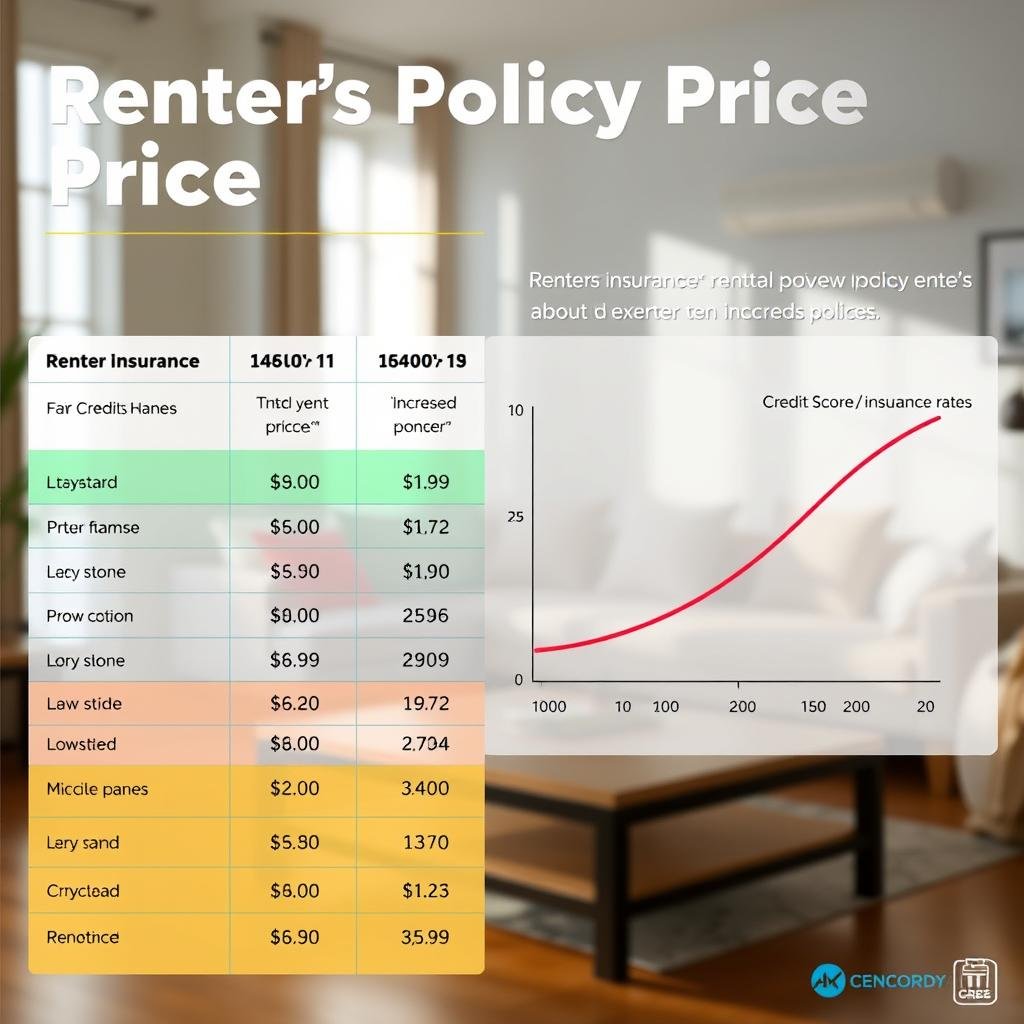
Your credit score affects more than just loans. It also impacts your insurance costs. In the United States, many insurance companies use credit scores to judge the risk of policyholders. They believe people with higher scores are statistically less likely to make big claims.
How Your Credit Affects Premiums
Insurance companies see your credit history as a sign of financial responsibility. When you apply, they might check a special report on your credit. If your score is low, they might see you as a higher risk. This could mean higher monthly premiums for you.
Improving Your Credit to Save on Insurance
Improving your credit score can lower your insurance costs over time. Pay bills on time and keep credit card balances low. Also, check your credit report for errors to keep your score healthy. This is a smart move for any renter’s policy price comparison.
Here’s a table to show how credit scores affect risk perception by insurers:
| Credit Score Tier | Risk Assessment | Premium Impact |
|---|---|---|
| Excellent (750+) | Very Low | Lowest Rates |
| Good (670-749) | Low | Competitive Rates |
| Fair (580-669) | Moderate | Higher Rates |
| Poor (Below 580) | High | Highest Rates |
Balancing Credit Impact and Coverage Needs
While credit scores matter, they shouldn’t be the only thing you think about. Make sure you’re getting the right coverage for your needs. A thorough renter’s policy price comparison helps you see how different companies view credit scores.
Some insurers are more flexible with credit history than others. By shopping around, you can find a fair price even with a rebuilding credit score. Always prioritize getting the right protection first. Then, look for ways to save money through better financial habits.
Claims Process and Impact on Costs
Handling claims well can lower your insurance costs over time. When a loss happens, knowing what to do helps you get the support you need. It also keeps your finances safe. Preparation is the key to a smooth experience with your provider.
How to File a Renter’s Insurance Claim
First, make sure your property is safe and not damaged more. Then, call your insurance company right away to report the loss. Many providers have apps or online sites to make this easier.
It’s crucial to document the damage well. Take clear photos or videos and make a detailed list of what’s damaged. Keeping an updated home inventory is a smart way to save money on your rental.
Common Reasons for Claim Denials
Claims are often denied for lack of proof or documentation. Without proof of ownership, like receipts or photos, insurers may not verify your loss. Always keep digital copies of important records in a safe place.
Another reason is misunderstanding policy exclusions. Many policies don’t cover floods or earthquakes without extra coverage. Knowing your policy well before a loss can save you from a denied claim.
Claim History’s Effect on Future Premiums
Filing many claims in a short time can raise your premiums or even cancel your policy. Insurers see frequent claims as a higher risk. This makes it harder to keep low-cost renters insurance plans.
If the damage cost is close to your deductible, it might be cheaper to pay yourself. This keeps your claims history clean and helps you find the best low-cost renters insurance plans.
| Scenario | Recommended Action | Financial Impact |
|---|---|---|
| Minor damage below deductible | Pay out of pocket | No impact on future rates |
| Major theft or fire loss | File a claim immediately | Potential premium increase |
| Unclear policy coverage | Consult your agent first | Prevents unnecessary claim history |
Waiving Coverage: When It Makes Sense
It’s tempting to save money by cutting insurance. But, cutting back on coverage can lead to financial trouble later. Many look for cheap renters insurance premiums to save a few dollars each month. But, it’s important to think carefully about your financial situation before making this choice.
Situations Where Waiving May Help
There are very few times when cutting coverage is smart. One rare case might be if you own little of value and live in a very safe place. In such cases, some might think the cost of full coverage isn’t worth the potential payout.
Another situation is if you have enough savings to replace your belongings. If you can afford to buy everything back yourself, you might choose a higher deductible. But, this means you’re ready to handle a total loss without hurting your finances.
Potential Risks of Waiving, Explained
Looking for cheap renters insurance premiums by cutting coverage can be risky. If something big happens like a fire or theft, you might not have enough money to replace everything. Most people don’t realize how much their stuff is worth until they have to replace it all at once.
“Insurance is not just about protecting your things; it is about protecting your future financial stability against the unexpected.”
Waiving liability coverage is especially risky. Liability coverage helps if someone gets hurt in your home or if you accidentally damage something. Without it, you could face huge legal and medical bills that could ruin your finances.
Think about these risks before cutting your coverage:
- Total Financial Loss: A fire or flood can destroy everything you own in minutes.
- Liability Exposure: You remain personally liable for accidents occurring within your rented space.
- Replacement Costs: The price of new items is often much higher than the depreciated value of your current belongings.
In the end, choosing cheap renters insurance premiums over full coverage is a risk. It’s usually safer to keep enough coverage to protect you from life’s surprises.
Comparing Quotes Effectively
Finding the right protection for your belongings starts with a smart renter’s insurance cost comparison. By taking the time to evaluate different options, you ensure that your policy provides adequate coverage without breaking your monthly budget.
Gathering Quotes from Multiple Insurers
To get a true sense of the market, collect at least three to five rental property insurance quotes from different carriers. Relying on a single offer often leads to missed savings or gaps in coverage. Consistency is key when requesting these quotes, so ensure you provide the same coverage limits and deductible amounts to every provider.
When you compare rental insurance prices, look beyond the bottom-line premium. Some companies may offer a lower rate but provide less comprehensive protection for specific perils like water backup or high-value electronics. Always verify the financial strength of the insurer to ensure they can handle claims reliably.
Key Questions to Ask During Comparison
Once you have a few quotes in hand, it is time to dig deeper into the policy details. Speaking directly with an agent can clarify how a company handles unique situations that standard policies might overlook. Consider asking the following questions to get a clearer picture:
- How does the policy handle water damage, specifically from sewer backups or burst pipes?
- Are there specific exclusions for high-value items like jewelry, art, or musical instruments?
- What is the process for liability claims if a guest is injured inside your apartment?
- Does the policy provide replacement cost coverage or only actual cash value for your belongings?
Using Online Tools for Cost Comparison
Modern technology makes it easier than ever to perform a renter’s insurance cost comparison from the comfort of your home. Many comparison websites allow you to input your zip code and basic property details to generate multiple rental property insurance quotes in minutes. These digital tools are excellent for identifying which carriers are most competitive in your specific geographic area.
While online tools are convenient, always double-check the final quote on the insurer’s official website before purchasing. This ensures that the information is accurate and that you are not missing out on any specific discounts. By using these resources to compare rental insurance prices, you can confidently select a policy that offers the best value for your unique needs.
The Importance of Reviewing Your Policy Annually
Life changes, and so do your insurance needs. Many people buy a policy and forget about it. This can lead to big financial risks. By checking your policy regularly, you can keep your coverage up to date with your life.

Timing for Annual Reviews
It’s best to review your policy 30 to 60 days before it expires. This gives you time to look for better rates and compare providers. Use renters insurance reviews to find the best deal.
Adjusting for Life Changes
Big life events can change what you need from your policy. If you’ve gotten married, moved, or bought expensive items, it’s time to talk to your agent.
- Getting married or moving in with a partner: You may need to add their personal property to your existing policy.
- Relocating to a new city: Local crime rates and weather risks can significantly impact your premiums.
- Purchasing expensive equipment: High-value items like cameras, jewelry, or gaming setups often require additional endorsements to be fully covered.
How to Spot Coverage Gaps
To find gaps in your coverage, make a detailed list of your belongings. Compare this list to your policy limits. If your stuff is worth more now, you might not be fully covered.
Make sure you have replacement cost coverage or actual cash value. The right choice is key to affordable coverage. If your current provider doesn’t fit, look for a better one.
Understanding State Regulations on Renter’s Insurance
Knowing your state’s laws is key when comparing renter’s policy prices. Even though there’s no federal law, states have a big say in insurance rules. This helps keep insurance companies honest.
State insurance departments watch over the industry to protect you. They set rules for how premiums are figured out and claims are handled. This makes things more stable for both you and the insurance company.
Key State Requirements Explained
State laws often set the minimum for what policies must cover and how clear they must be. This means you can compare policies more easily. Some states even make sure you know how your credit score affects your rate.
States also step in if they think an insurance company is being unfair. This gives renters more security when dealing with claims. Knowing your state’s rules can make you feel more confident in your choice.
Notable Variations Across States
The insurance world changes a lot depending on where you live, especially for natural disasters. For example, some high-risk areas have special rules or programs for floods or earthquakes. These differences are important to consider when moving to a new state.
Make sure to check if your state needs special coverage for local dangers. What’s standard in one state might be extra in another. Always check these local needs to make sure your stuff is safe.
Frequently Asked Questions About Renter’s Insurance
Many renters are hesitant to buy insurance because of myths about coverage and cost. It’s easy to get lost in insurance terms. But, most questions have simple answers that help you make a good choice.
Common Concerns You Might Have
One big question is about the landlord’s responsibility. Many think the landlord’s insurance covers their stuff in case of a fire or theft. This is a dangerous misconception. The landlord’s policy only covers the building, not your personal items like electronics or furniture.
Another worry is the cost of insurance. People think it’s too expensive. But, you can find affordable options that offer good protection without costing too much.
Clarifying Misconceptions
Many think you have to choose between quality and affordability. But, the insurance market is competitive, which helps you. You can compare quotes to find a plan that’s both comprehensive and affordable.
Some believe they don’t own enough valuable items to need insurance. But, the cost of replacing everything can be high. A policy helps you avoid unexpected expenses.
Getting insurance is about feeling secure, not just checking a box. By knowing the facts, you can find cheap renters insurance that gives you the peace of mind you deserve.
Real Life Cost Examples
Looking at real-life examples helps us see how different factors affect our insurance costs. By examining specific cases, we can understand how our living situation impacts the rental property insurance quotes we get.
Case Studies of Different Scenarios
A college student in a small studio in a safe area has a low-value policy. It mainly covers basic liability.
On the other hand, a family in a big suburban home with lots of valuable items needs more coverage. This means their rental property insurance quotes are higher than the student’s.
Assessing Coverage Value in Real Life
When choosing insurance, consider the balance between your deductible and monthly premium. A higher deductible might save you money upfront but make sure you can afford it if disaster strikes.
Knowing how renters insurance works helps you manage your budget and security needs. The table below shows how different factors affect your insurance cost.
| Scenario | Property Value | Deductible | Estimated Impact |
|---|---|---|---|
| Studio Apartment | Low | $500 | Budget-Friendly |
| Suburban Home | High | $1,000 | Moderate Premium |
| Urban Loft | Medium | $500 | Variable Pricing |
Your goal is to find a policy that offers comprehensive protection without costing too much each month. Always check your rental property insurance quotes to make sure they match your belongings and risk level.
Conclusion: Making Informed Choices on Coverage
Protecting your personal belongings starts with knowing what you need. It’s about understanding the market and picking a policy that fits your life.
Key Takeaways for Policy Comparison
Looking at quotes from big names like State Farm, Geico, or Lemonade is key. It helps you find the best deals. Remember, the price isn’t everything. Look at what you get for your money, like coverage limits and deductibles.
Regularly checking your policy ensures it keeps up with your life. Keeping a list of your stuff makes filing claims easier if something bad happens.
Actionable Steps for Better Protection
Keep your insurance up to date by reviewing it every year. Talk to your agent about discounts or changes that could save you money without losing quality.
Being active in choosing your insurance brings peace of mind. You’re ready to pick a plan that protects your home and stuff for the long haul.
FAQ
Does my landlord’s insurance policy cover my personal belongings in the event of a fire or theft?
How can I find the most affordable renters insurance rates available today?
What is the difference between “Actual Cash Value” and “Replacement Cost” coverage?
Does my credit score impact the rental property insurance quotes I receive?
Are there limits on how much an insurer will pay for specific items like jewelry or electronics?
FAQ
Does my landlord’s insurance policy cover my personal belongings in the event of a fire or theft?
No, this is a common mistake. A landlord’s insurance only covers the building and the landlord’s liability. To protect your belongings, you need a renter’s insurance cost comparison and a policy that includes you. Companies like State Farm and Allstate have policies for this purpose.
How can I find the most affordable renters insurance rates available today?
The best way is to bundle your coverage. Carriers like GEICO and Progressive give big discounts for bundling. Also, installing Nest smoke detectors or Ring cameras can lower your premiums by reducing risk.
What is the difference between “Actual Cash Value” and “Replacement Cost” coverage?
This choice is key when comparing prices. Actual Cash Value (ACV) pays the item’s depreciated value. Replacement Cost covers new items of similar quality. ACV is cheaper but Replacement Cost offers better protection and is a top deal for long-term security.
Does my credit score impact the rental property insurance quotes I receive?
In many states, yes. Companies like Nationwide and Liberty Mutual use credit scores to set premiums. Good credit can lead to better rates and terms.
Are there limits on how much an insurer will pay for specific items like jewelry or electronics?
Yes, policies often have limits for high-value items. For example, jewelry payouts might be capped at
FAQ
Does my landlord’s insurance policy cover my personal belongings in the event of a fire or theft?
No, this is a common mistake. A landlord’s insurance only covers the building and the landlord’s liability. To protect your belongings, you need a renter’s insurance cost comparison and a policy that includes you. Companies like State Farm and Allstate have policies for this purpose.
How can I find the most affordable renters insurance rates available today?
The best way is to bundle your coverage. Carriers like GEICO and Progressive give big discounts for bundling. Also, installing Nest smoke detectors or Ring cameras can lower your premiums by reducing risk.
What is the difference between “Actual Cash Value” and “Replacement Cost” coverage?
This choice is key when comparing prices. Actual Cash Value (ACV) pays the item’s depreciated value. Replacement Cost covers new items of similar quality. ACV is cheaper but Replacement Cost offers better protection and is a top deal for long-term security.
Does my credit score impact the rental property insurance quotes I receive?
In many states, yes. Companies like Nationwide and Liberty Mutual use credit scores to set premiums. Good credit can lead to better rates and terms.
Are there limits on how much an insurer will pay for specific items like jewelry or electronics?
Yes, policies often have limits for high-value items. For example, jewelry payouts might be capped at $1,500. For expensive items, look into cost-effective renter’s coverage options like “scheduled personal property” endorsements. This ensures items like Tiffany & Co. engagement rings or Apple MacBook setups are fully covered.
How do I perform an accurate renter’s policy price comparison?
Use online tools or an independent agent to get rental property insurance quotes from Lemonade, Travelers, and Farmers Insurance. Make sure to compare “apples to apples” by keeping the deductible and coverage limits the same. This way, you can see which company offers the best value.
Will filing a claim for a small loss cause my rates to go up?
It’s possible. Multiple small claims can lead to higher premiums or even policy non-renewal. It’s wise to pay for minor damages yourself and save insurance for big losses. This keeps your claims history clean, which is key for keeping rates low.
Do renter’s insurance rates vary significantly by state?
Absolutely. Rates are influenced by regional risks like severe weather or crime rates. For example, tenants in states like Louisiana or Texas might pay more. Always check state-specific regulations that might affect coverage availability.
,500. For expensive items, look into cost-effective renter’s coverage options like “scheduled personal property” endorsements. This ensures items like Tiffany & Co. engagement rings or Apple MacBook setups are fully covered.
How do I perform an accurate renter’s policy price comparison?
Use online tools or an independent agent to get rental property insurance quotes from Lemonade, Travelers, and Farmers Insurance. Make sure to compare “apples to apples” by keeping the deductible and coverage limits the same. This way, you can see which company offers the best value.
Will filing a claim for a small loss cause my rates to go up?
It’s possible. Multiple small claims can lead to higher premiums or even policy non-renewal. It’s wise to pay for minor damages yourself and save insurance for big losses. This keeps your claims history clean, which is key for keeping rates low.
Do renter’s insurance rates vary significantly by state?
Absolutely. Rates are influenced by regional risks like severe weather or crime rates. For example, tenants in states like Louisiana or Texas might pay more. Always check state-specific regulations that might affect coverage availability.
How do I perform an accurate renter’s policy price comparison?
Will filing a claim for a small loss cause my rates to go up?
Do renter’s insurance rates vary significantly by state?

About the Author: Macelo
A professional dedicated to producing informative content for the automotive and insurance sectors, focusing on consumer education and practical analysis of products and services. They develop texts covering topics ranging from vehicle maintenance and use to insurance contracts, coverage comparisons, and risk assessment, always using accessible and up-to-date language.