Protect Your Feline with Cat Insurance

As a cat owner, you know how much joy and companionship your pet brings. But, vet care costs are rising. It’s key to protect your cat with the right pet insurance.
Fetch is a top pet insurance company in North America. They cover cats and dogs. With Fetch, your cat gets the best care without costing too much.
Getting cat insurance keeps your pet healthy and your wallet safe. In this article, we’ll look at cat insurance benefits and what top providers offer.
Key Takeaways
- Understand the importance of protecting your cat with insurance
- Learn about the extensive coverage Fetch provides
- Discover how to protect your pet’s health and your finances
- Explore the advantages of investing in cat insurance
- Find out what to expect from the best cat insurance providers
Understanding Cat Insurance: What Is It?
Cat insurance helps pet owners deal with high vet bills. It covers vet costs when a cat gets sick or hurt. This way, your pet gets the care they need without breaking the bank.
Definition and Purpose of Cat Insurance
Cat insurance, or cat health insurance, is a policy for pet owners. It’s meant to protect against vet bills. This lets owners focus on their pet’s health, not just their wallet.
With insurance, pets get the care they need quickly. This improves their health and happiness.
Key Differences Between Cat and Dog Insurance
Cat and dog insurance both cover vet costs, but they differ. Cat insurance is cheaper because cats are easier to care for than dogs.
| Insurance Aspect | Cat Insurance | Dog Insurance |
|---|---|---|
| Average Annual Premium | $200-$500 | $300-$700 |
| Coverage for Chronic Conditions | Often covered with certain plans | Often covered with certain plans |
| Pre-existing Conditions | Usually excluded | Usually excluded |
Common Misconceptions About Pet Insurance
Many think pet insurance is too pricey or doesn’t cover pre-existing conditions. But, there are affordable cat insurance options. It’s key to compare cat insurance to find the right fit.
Some believe pet insurance is only for emergencies. But, it also covers routine care. This makes it a full solution for your cat’s health.
Importance of Cat Insurance for Pet Owners
Cat insurance is more than just a financial safety net. It ensures your feline friend gets the best care without costing too much. With vet care costs rising, the right insurance can help a lot.
Financial Protection Against Unexpected Vet Bills
One key benefit of cat insurance is the financial protection it offers. According to Fetch, it can cover up to 90% of vet bills. This means you won’t worry about costs if your cat needs emergency surgery or ongoing treatment.
Financial security lets you make choices based on your cat’s needs, not your wallet. As a cat owner, you can be sure you’re ready for any medical expenses.
“Pet insurance is a vital tool for pet owners, enabling them to provide the best possible care for their pets without the burden of high veterinary costs.”
Peace of Mind for Cat Owners
Having cat insurance gives you peace of mind. You know you can give your pet the best care without worrying about money. This peace of mind is priceless, letting you focus on your cat’s recovery without financial stress.
Cat insurance plans vary, but many include routine care, emergencies, and chronic conditions. This lets you plan for your cat’s health needs with confidence.
Comprehensive Coverage Options
There are many comprehensive coverage options for cat insurance. These include accident-only plans, wellness plans, and lifetime coverage plans. It’s important to understand these options to choose the right insurance for your cat.
- Accident-only plans cover unexpected injuries.
- Wellness plans include routine care such as vaccinations and check-ups.
- Lifetime coverage plans provide ongoing protection for chronic conditions.
By picking the right cat insurance plan, you can make sure your pet gets the care they need, whenever they need it.
What Does Cat Insurance Typically Cover?
Cat insurance covers a wide range of services to keep your cat healthy. It helps manage the costs of quality care for your pet.
Routine Veterinary Visits
Most policies include routine vet visits. These include annual check-ups, vaccinations, and flea and tick control. These visits are key to your cat’s health and catching problems early.
Regular check-ups can prevent illnesses and keep your cat up to date on vaccinations. This keeps your cat healthy and saves you money on medical bills.
Emergency Care and Surgeries
Cat insurance also covers emergency care and surgeries. This includes treatments for accidents, injuries, or sudden illnesses that need quick attention.
Emergency vet visits can be expensive, but insurance helps. It covers surgeries, giving cat owners peace of mind.
Prescription Medications and Treatments
Insurance policies often cover prescription medications and treatments. This includes antibiotics, anti-inflammatory drugs, and more. It helps manage these costs.
Some policies also cover alternative treatments like acupuncture or physical therapy. This offers a holistic approach to your cat’s health care.
Understanding what cat insurance covers helps pet owners plan for their cat’s health and finances. It’s important to review policy details to find the best coverage for your cat.
Types of Cat Insurance Policies Available
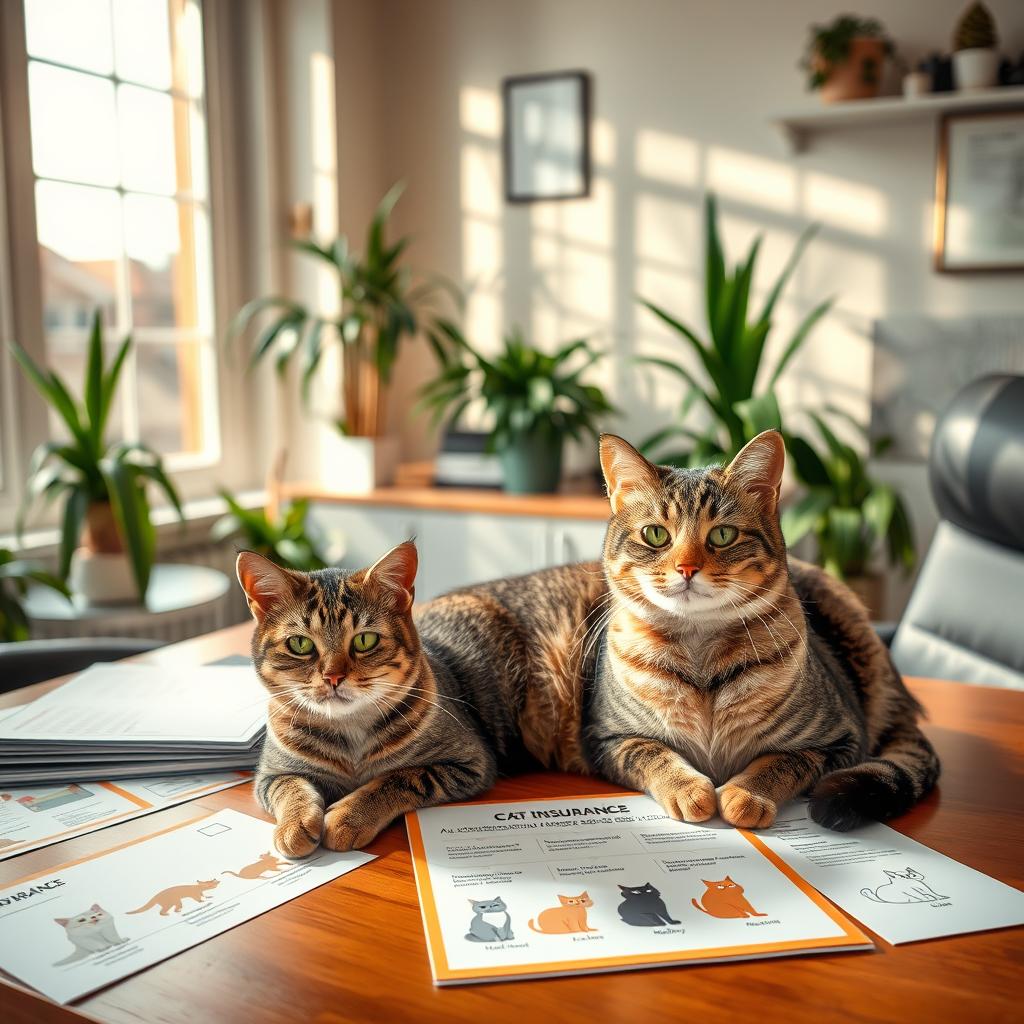
Understanding the different cat insurance policies is key. These policies meet various needs, from basic accident coverage to full wellness plans.
Accident-Only Insurance Plans
Accident-only plans cover unexpected injuries or accidents. They include emergency vet care, surgeries, and diagnostic tests. For example, if your cat has an accident, this plan helps with the costs.
Comprehensive Wellness Plans
Comprehensive wellness plans offer more than accident coverage. They include routine care and preventive measures. This means your cat gets regular check-ups and stays healthy.
Key Benefits of Wellness Plans:
- Annual check-ups and vaccinations
- Dental care and cleaning
- Preventive care measures
Lifetime and Annual Coverage Plans
Lifetime and annual plans give extended health protection. Lifetime plans cover chronic conditions for life, while annual plans cover a year’s expenses. These are great for cats with ongoing health issues.
For instance, a cat with diabetes needs ongoing care. A lifetime plan helps manage this condition for life.
It’s important to compare cat insurance plans. This helps find the best fit for your cat’s needs and your budget. Knowing the different policies helps you make the right choice for your cat’s care.
How to Choose the Right Cat Insurance Provider
Choosing the right cat insurance provider is important. You want your pet to get the best care. The right insurance can make a big difference.
Evaluating Insurance Plan Features
Look at what each insurance plan offers. Some cover routine veterinary visits. Others cover emergency care and surgeries. Think about what your cat needs based on its age, health, and lifestyle.
Fetch is known for its wide range of services. It covers everything from vaccinations to diagnostic tests. As a top provider, Fetch has plans for all kinds of needs.
Comparing Premium Costs and Deductibles
It’s key to compare premium costs and deductibles. You want to find a balance that’s good for your wallet. A lower premium might mean a higher deductible, and vice versa.
Also, some providers have annual limits on payouts. This can affect your costs. By comparing these, you can find a plan that’s affordable for you.
Reading Customer Reviews and Testimonials
Reading what other cat owners say is a great way to judge a provider. Reviews can tell you about customer service, claims, and overall satisfaction.
“I’ve been with Fetch for a year now, and their service has been exceptional. The claims process is straightforward, and their customer support is always helpful.” – Sarah, cat owner
By looking at other owners’ experiences, you can make a better choice.
Understanding the Cost of Cat Insurance

Knowing the cost of cat insurance is key for pet owners. The price changes based on the cat’s age, breed, and where you live.
Factors Influencing Insurance Premiums
Several things can change how much you pay for cat insurance. These include:
- The age of your cat: Older cats cost more to insure.
- Breed: Some breeds get sick more often, raising premiums.
- Location: Vet bills differ by area, affecting insurance costs.
- Pre-existing conditions: Cats with health issues may pay more or get excluded.
A study by the American Pet Products Association (APPA) found that cat insurance costs can range from $200 to over $1,000 a year. This depends on these factors.
“Pet insurance is a vital consideration for cat owners, providing financial protection against unexpected veterinary expenses.” –
Average Costs Across Different Providers
Insurance companies charge different prices for cat insurance. Here’s a look at average monthly costs:
| Provider | Average Monthly Premium |
|---|---|
| Fetch Pet Insurance | $20-$25 |
| Trupanion | $30-$40 |
| PetPlan | $25-$35 |
Budgeting for Pet Insurance
To plan for cat insurance, follow these tips:
- Look up and compare different insurance plans to find the best deal.
- Think about the deductible and how much you’ll get back when choosing a plan.
- Consider your cat’s age, health, and breed when picking coverage.
By knowing these factors and looking at different insurance options, cat owners can make smart choices about their pet insurance.
The Claims Process: What to Expect
When your cat needs vet care, knowing how to claim can be a big help. Cat insurance is meant to cover unexpected vet bills. But, the claiming process can sometimes be tricky.
Filing a Claim for Veterinary Services
Filing a claim for vet services is usually easy with most cat insurance plans. Companies like Fetch let you file claims online or through their app. This makes it easy to start.
To file a claim, you’ll need to give details about the vet visit. This includes the diagnosis, treatment, and costs. It’s important to keep all vet receipts and documents, as you’ll need them for the claim.
Some insurance providers might ask for pre-approval for certain treatments or surgeries. So, it’s important to check your policy details.
Reimbursement Timelines and Procedures
How long it takes to get reimbursed can vary. But, many providers, like Fetch, are known for quick payouts. You can usually expect reimbursement in a few days to a couple of weeks after filing the claim.
Here’s a comparison of reimbursement times for different cat insurance providers:
| Provider | Average Reimbursement Time |
|---|---|
| Fetch | 3-5 business days |
| Provider B | 7-10 business days |
| Provider C | 10-14 business days |
Common Pitfalls to Avoid When Claiming
There are a few common mistakes to avoid when claiming on your cat insurance. One big mistake is not understanding what’s covered by your policy. Always read the fine print and ask questions if you’re unsure.
“The key to a smooth claims process is being informed and prepared. Knowing what documentation is required and having it ready can make all the difference.” – Cat Insurance Expert
Another common issue is missing deadlines for filing claims. Make sure you know when you need to submit your claim. Keeping organized records of your cat’s vet visits and treatments can also help.
By understanding the claims process and avoiding common pitfalls, you can get the most out of your cat insurance. Whether you’re comparing plans or already have one, being informed is key to a stress-free experience.
Cat Insurance for Specific Breeds and Ages

Age and breed are key in choosing cat insurance. As cats get older, their health needs change. Some breeds face specific health issues.
Special Considerations for Older Cats
Older cats need more coverage due to age-related health issues. Arthritis, kidney disease, and dental problems are common. It’s vital to have a plan that covers chronic conditions and ongoing care.
Key considerations for older cats include:
- Coverage for chronic conditions
- Higher reimbursement rates for expensive treatments
- No upper age limits for new policies
Breeds That May Require More Coverage
Some cat breeds face specific health problems. For example, British Shorthairs are prone to obesity and heart conditions. Siamese cats may be more likely to develop certain cancers. Knowing these risks helps choose the best insurance.
| Breed | Common Health Issues | Recommended Coverage |
|---|---|---|
| British Shorthair | Obesity, Heart Conditions | Comprehensive Wellness Plans |
| Siamese | Cancer, Respiratory Issues | Accident and Illness Coverage |
| Maine Coon | Hip Dysplasia, Heart Disease | Lifetime Coverage Plans |
How Age Affects Insurance Premiums
The age of your cat affects your insurance premiums. Older cats usually have higher premiums due to health issues. But, some providers offer good rates for older cats. It’s important to compare plans.
To find the top cat insurance, consider how providers handle age. Choose a plan that offers good coverage at a fair price.
Frequently Asked Questions About Cat Insurance
Understanding cat insurance can seem tough. But knowing the answers to common questions makes it easier. Cat owners often wonder about the risks of not having insurance, changing providers, and what’s covered by their policy.
What Happens if I Don’t Get Insurance?
Not having insurance can put you in a tough spot financially. You’ll have to pay for vet bills yourself, which can be hard. For example, a sudden illness or accident could cost thousands of dollars.
Having affordable cat insurance helps protect you from these costs. It ensures you’re ready for any situation.
Can I Change Providers During the Policy Term?
Changing cat insurance providers can be tricky. It depends on your current policy. You can usually cancel your policy anytime, but switching might have waiting periods or different terms.
It’s key to check your policy or talk to your insurer about any penalties. Looking at different cat insurance quote options can help you choose wisely.
Are Pre-existing Conditions Covered?
Pre-existing conditions are usually not covered by new policies. Insurers say a condition is pre-existing if it showed symptoms or was treated before the policy started. This might limit coverage for some cats.
But, many insurers offer policies for new conditions after the policy starts. It’s important to tell your cat’s medical history when applying. This way, you get the right coverage. You can compare cat insurance to find the best for your cat.
Knowing these things about cat insurance helps you make better choices for your cat’s health. By answering these common questions, you can navigate the complex world of cat insurance. This way, you can pick a policy that protects your cat well.
Final Thoughts: Is Cat Insurance Worth It?
As a cat owner, it’s important to think about your pet’s health needs. This helps decide if cat insurance is right for you. Look at your cat’s age, breed, and health to make a good choice.
Health Needs Assessment
Understanding your cat’s health needs is key. Know their risk factors and possible vet costs. Some breeds face certain health issues, making insurance a smart choice.
Looking into the best cat insurance options can help. Find a policy that fits your cat’s needs.
Long-Term Benefits
Getting pet insurance for cats offers long-term financial safety and peace of mind. It covers unexpected vet bills. This way, you can give your cat the care they need without spending too much.
Choosing the right cat insurance policy is all about considering your cat’s unique needs. Weighing the costs and benefits helps you make a smart choice. This ensures your cat gets the best care possible.
FAQ
What happens if I don’t get cat insurance?
Can I change cat insurance providers during the policy term?
Are pre-existing conditions covered under cat insurance?
How do I choose the best cat insurance for my pet?
What is the average cost of cat insurance?
Does cat insurance cover routine vet visits?
Can I get cat insurance for an older cat?
How does the claims process work for cat insurance?
Are there any cat insurance providers that offer customizable plans?

About the Author: Macelo
A professional dedicated to producing informative content for the automotive and insurance sectors, focusing on consumer education and practical analysis of products and services. They develop texts covering topics ranging from vehicle maintenance and use to insurance contracts, coverage comparisons, and risk assessment, always using accessible and up-to-date language.