PPO vs HMO Insurance: Understand the Differences

Choosing the right health insurance plan can be tough. You have to decide between Preferred Provider Organization (PPO) and Health Maintenance Organization (HMO) plans.
It’s important to know the differences. This helps you pick a plan that fits your health needs and budget.
PPO and HMO plans have their good and bad sides. HMOs are cheaper but might limit your doctor choices. PPOs let you see more doctors but cost more.
Key Takeaways
- Understand the basic differences between PPO and HMO insurance plans.
- Consider your healthcare needs and budget when choosing a plan.
- PPO plans offer more flexibility in provider choices.
- HMO plans are often more affordable but may have limited provider networks.
- Carefully review the plan details before making a decision.
What is PPO Insurance?
Understanding PPO insurance is key to making smart healthcare choices. PPO stands for Preferred Provider Organization. It’s a health insurance plan with a network of providers for medical care at a set rate.
Key Features of PPO Plans
PPO plans have several features that many find appealing. They offer network flexibility, no need for a primary care doctor, and out-of-network coverage.
- Network Flexibility: You can get care from any healthcare provider, in or out of network.
- No Primary Care Physician Requirement: Unlike some plans, PPOs don’t require a primary care doctor or a referral to see a specialist.
- Out-of-Network Coverage: PPOs let you use healthcare providers outside the network, but at a higher cost.
Advantages of Choosing a PPO
PPO plans have many advantages, making them a favorite among many. They offer flexibility to see any healthcare provider without a referral. You also have the freedom to use both in-network and out-of-network providers.
- The flexibility to see any healthcare provider without a referral.
- The ability to use both in-network and out-of-network providers, giving you more control over your healthcare choices.
- Comprehensive coverage that includes a wide range of medical services.
What is HMO Insurance?
Understanding HMO insurance is key when looking at health insurance options. HMO stands for Health Maintenance Organization. It’s a plan that covers healthcare services within a specific network.
Key Features of HMO Plans
HMO plans have distinct features. One key feature is the need to choose a primary care physician (PCP). This PCP acts as a gatekeeper for your healthcare needs. To see a specialist, you need a referral from your PCP.
Another important feature is the network of healthcare providers. These providers agree to offer services to HMO members at a set rate. This network includes doctors, hospitals, and other facilities.
| Feature | Description | Benefit |
|---|---|---|
| Primary Care Physician | Required to coordinate care | Ensures complete care |
| Specialist Referral | Needed to see specialists | Controls costs and ensures necessary care |
| Network Providers | Agreed to provide services at a negotiated rate | Reduces out-of-pocket costs |
Advantages of Choosing an HMO
Choosing an HMO plan has many benefits. One major advantage is the lower premiums compared to other plans. HMO plans also have lower out-of-pocket costs for services within the network.
Another benefit is the coordinated care through your primary care physician. This ensures your healthcare needs are well-managed.
Major Differences Between PPO and HMO
To choose between PPO and HMO, you must know their main differences. These include network flexibility, primary care physician needs, and specialist access. These aspects greatly affect your healthcare experience and costs.
Network Flexibility
PPO plans offer more flexibility than HMO plans. PPO plans let you see any healthcare provider, in-network or out-of-network, without needing a referral. HMO plans, on the other hand, require you to see providers within a specific network, with some exceptions.
A study by the National Association of Health Underwriters shows that many prefer PPO plans for their flexibility. A healthcare expert notes, “PPO plans are great for those who travel or need specialized care outside their local network.”
“The flexibility to choose your healthcare provider is key for many. PPO plans offer more choices.”
Primary Care Physician Requirement
HMO plans often require you to have a primary care physician (PCP). HMO plans need you to choose a PCP who coordinates your care and refers you to specialists. PPO plans, on the other hand, do not require a PCP or a referral to see a specialist.
| Plan Type | PCP Requirement | Referral Needed |
|---|---|---|
| PPO | No | No |
| HMO | Yes | Yes |
Specialist Access
PPO plans make it easier to see specialists without a referral. This means you can get the care you need directly. HMO plans, though, require a referral from your PCP to see a specialist, which can sometimes delay care.
A survey by the American Medical Association found that timely specialist access is important for patient satisfaction. PPO plans are often chosen by those needing quick access to specialized care.
In summary, knowing the differences between PPO and HMO plans is key. These differences affect network flexibility, primary care physician needs, and specialist access. This knowledge helps you choose the right insurance plan for your needs.
Cost Comparison: PPO vs HMO

When choosing between PPO and HMO plans, cost is a big factor. It’s not just about the monthly premiums. You also need to think about out-of-pocket costs, copays, and deductibles.
Premiums and Out-of-Pocket Costs
HMO plans usually cost less each month than PPO plans. This is because HMOs have a smaller network of doctors and may need a referral for specialist visits. PPO plans, on the other hand, let you see any doctor, which can make them more expensive.
Out-of-pocket costs like copays and deductibles also vary. HMOs often have lower costs for care within their network. This makes them a good choice for those looking to save money and stick to a certain network of providers.
Copay and Deductible Structures
PPO and HMO plans have different copay and deductible rules. PPO plans might have higher deductibles, but they cover more once you’ve met the deductible. HMO plans usually have lower deductibles and copays for in-network care, making costs easier to understand.
Here’s a table to show the cost differences:
| Plan Features | PPO Plans | HMO Plans |
|---|---|---|
| Monthly Premiums | Higher | Lower |
| Out-of-Pocket Costs | Higher, specially out-of-network | Lower for in-network care |
| Deductibles | Often higher, specially out-of-network | Generally lower |
| Copays | Vary by service and network | Typically lower for in-network services |
Knowing these costs is key to picking the right health insurance. It should fit your budget and health needs.
When to Choose PPO Insurance
If you like having choices in your healthcare, PPO insurance might be the best choice. PPO plans give you many benefits. They are great for seeing specialists without needing a referral and for working with healthcare providers you already know.
Ideal Scenarios for PPO Usage
PPO insurance is perfect for people who:
- Need to see specialists often without needing a referral.
- Have ongoing health issues that need care from different providers.
- Travel a lot or have family in different places, so they need care outside their main network.
- Want to choose any healthcare provider they want, in-network or out-of-network, without extra costs.
Who Needs the Flexibility of a PPO?
The flexibility of a PPO plan is great for:
- People with complex medical needs who need many healthcare services.
- Those who have a favorite healthcare provider not in their insurance network.
- Individuals who might need care from specialists without needing a primary care doctor.
Choosing a PPO plan lets you make healthcare choices that fit your needs. It’s a good choice for those who value flexibility and want the best care.
When to Choose HMO Insurance

HMO insurance is great for those who want affordable and coordinated care. It’s perfect for people who are okay with using a network of doctors and don’t need care from outside the network. This makes HMO plans a big win for many.
Ideal Scenarios for HMO Usage
HMO plans are ideal for:
- Individuals on a budget: If you’re looking for a health insurance plan that won’t break the bank, HMOs are a good choice. They usually have lower premiums.
- Those who value coordinated care: HMOs make you pick a primary care doctor. This doctor helps manage your care, making it more organized.
- People with stable healthcare needs: If you don’t think you’ll need care outside your network, HMOs are a smart pick. They’re affordable and easy to use.
Who Benefits Most from HMO Plans?
HMO plans are a big plus for:
- Families with young children: HMOs are good for families. They offer affordable care for kids and other family health needs.
- Individuals with chronic conditions: If you have ongoing health issues like diabetes, HMOs are a good choice. They focus on coordinated care for these conditions.
- People who are relatively healthy: If you don’t expect to spend a lot on healthcare, an HMO can save you money. Their premiums are often lower.
Knowing the good and bad of HMO insurance helps you decide if it’s right for you.
Considerations for Choosing Between PPO and HMO
Choosing between PPO and HMO insurance depends on your healthcare needs and budget. It’s key to think about your current health and any future health issues. Also, consider how much you can spend on healthcare.
Your Budget and Healthcare Needs
Your budget is a big factor in picking between PPO and HMO. PPO plans usually cost more but let you see any doctor you want. HMO plans are cheaper but limit you to a certain network of doctors.
Think about your healthcare needs too. If you need ongoing care or might need specialized services, a PPO might be better. But if you’re healthy and don’t expect big medical bills, an HMO could save you money.
Potential Future Health Concerns
Think about your future health when choosing between PPO and HMO. If you’ve had health issues before or might need care later, a PPO’s wide coverage might be better.
If you’re mostly healthy and don’t see needing a lot of care, an HMO could be a good choice. HMOs also focus on preventing health problems, which is good for keeping you healthy.
In the end, picking between PPO and HMO depends on your current health, budget, and future health needs. By considering these, you can choose the best plan for you.
Impact on Family Healthcare Decisions
Choosing between PPO and HMO insurance plans is a big decision. Families must think about how each plan meets their healthcare needs. This includes the needs of their children.
Family Considerations with PPO and HMO
Families should look at several things when choosing between PPO and HMO plans. They need to think about network flexibility, out-of-pocket costs, and if they need a primary care physician. PPO plans give more freedom to see specialists without a referral and visit doctors outside the network, but it costs more.
HMO plans require picking a primary care physician who helps coordinate care and refers to specialists in the network. This can mean lower costs, but it limits seeing doctors outside the network.
“The choice between PPO and HMO plans depends on the family’s healthcare needs and their willingness to stay within a specific network of providers.”
Children’s Healthcare and Plan Compatibility
For families with kids, it’s key to look at how each plan covers pediatric care. They need to understand the network of pediatricians, the cost of well-child visits, and coverage for treatments or hospitalizations.
| Plan Feature | PPO Plans | HMO Plans |
|---|---|---|
| Pediatrician Network | Access to both in-network and out-of-network pediatricians | Limited to in-network pediatricians |
| Referral for Specialists | Not required | Required |
| Out-of-Pocket Costs for Children’s Care | Generally higher, specially for out-of-network care | Lower for in-network care |
Families should check the details of each plan to make sure their kids’ healthcare needs are covered. They should see if the plan covers important health benefits like immunizations and preventive care without extra costs.
In conclusion, picking between PPO and HMO plans for family healthcare is about weighing flexibility, cost, and coverage. By thinking about these factors, families can make choices that fit their healthcare needs best.
How to Evaluate Your Options
To choose the right health insurance, you need to look closely at PPO and HMO plans. It’s important to know the main differences. Then, decide which plan fits your health needs and budget.
Questions to Ask Before Choosing
When choosing between a PPO and an HMO, ask yourself these questions:
- What is the plan’s network, and are my preferred healthcare providers included?
- What are the coverage details, including any out-of-network benefits?
- How do the costs compare, including premiums, deductibles, and copays?
- Are there any specific healthcare services or specialists that I need to have access to?
Answering these questions will help you compare plans better. This way, you can pick the one that suits you best.
Resources for Comparing Plans
There are many resources to help you compare PPO and HMO plans. These include:
- Insurance company websites, which often provide detailed plan information and comparison tools.
- Healthcare advocacy groups, which can offer guidance and support.
- Online review platforms, where you can read about other people’s experiences with different insurance plans.
Using these resources can give you valuable insights. They help you make a better choice when comparing PPO vs HMO options.
Real-World Scenarios
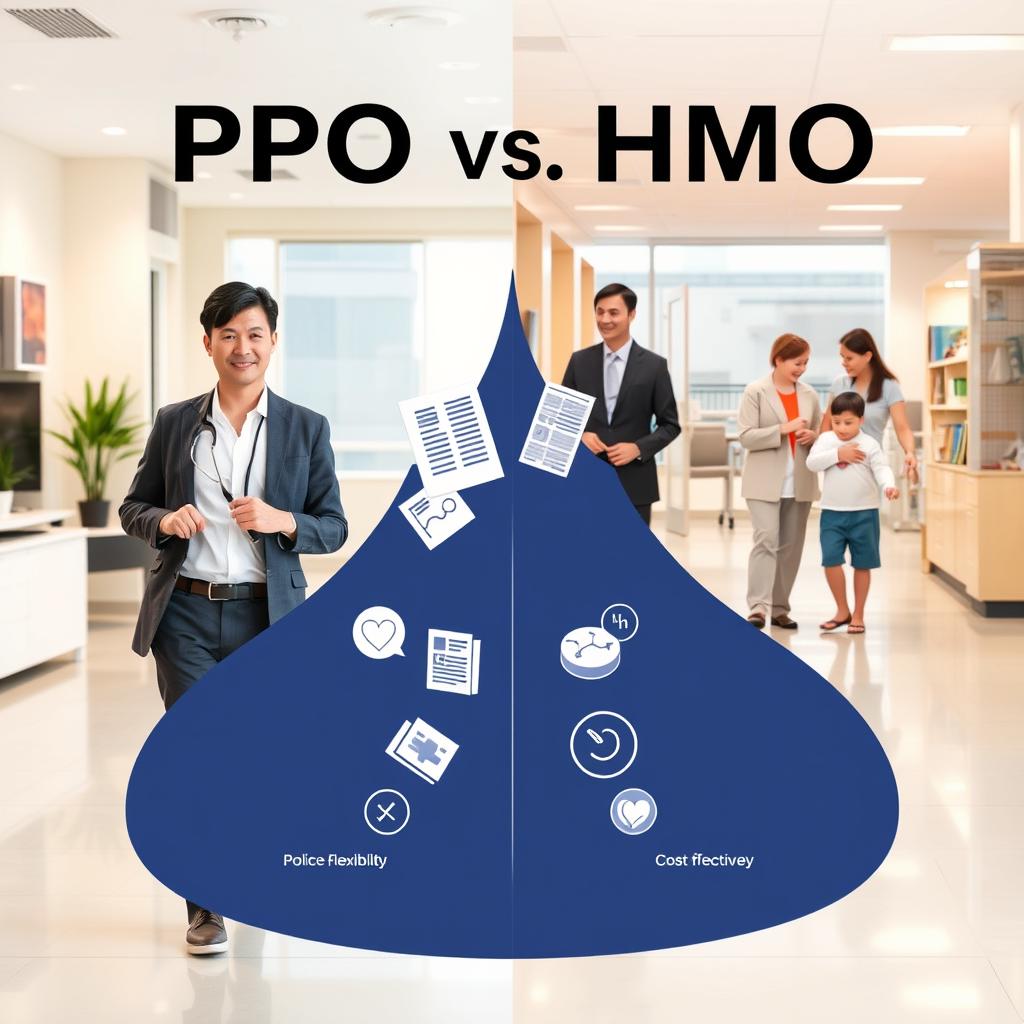
The differences between PPO and HMO insurance are clearer when we look at real-life examples. These examples help us see which plan is best for our needs.
Case Studies of PPO Plan Utilization
Sarah, a freelance writer, chose a PPO plan. She needed to see a specialist for a health issue. The specialist was out of her network, but Sarah could see them without a referral. This cost her more money.
Key Benefits Observed:
- Flexibility in choosing healthcare providers
- No need for a primary care physician referral to see specialists
- Coverage for out-of-network services, though at a higher cost
Case Studies of HMO Plan Experiences
John, an office worker, picked an HMO plan for his family. His plan needed a primary care physician (PCP) for referrals. John found the HMO plan was cheaper and covered his family’s needs well.
Notable Aspects:
- Lower premiums compared to PPO plans
- Predictable copays for services within the network
- Emphasis on preventive care
Let’s compare the two:
| Feature | PPO Plans | HMO Plans |
|---|---|---|
| Network Flexibility | Out-of-network services available at higher cost | Generally limited to in-network services |
| Primary Care Physician | Not required | Required for referrals to specialists |
| Premium Costs | Typically higher | Generally lower |
These examples show why it’s key to think about our health needs and budget when picking between PPO and HMO plans.
Conclusion: Making the Right Choice for You
Choosing between PPO and HMO insurance plans is a big decision. You need to understand their differences and how they fit your healthcare needs and budget. Look at the key features, costs, and flexibility of each plan to make a smart choice.
Key Considerations for Enrollment
Think about your health status, medical needs, and finances when choosing. If you want flexibility and are okay with higher costs, a PPO might be right. For a cost-effective option with a fixed network, an HMO could be better.
Take your time to review your options and ask important questions. Think about network providers, out-of-pocket costs, and access to specialists. This will help you pick a plan that fits your needs.
FAQ
What is the main difference between PPO and HMO insurance plans?
Are PPO plans more expensive than HMO plans?
Can I see any doctor with a PPO plan?
Do I need a referral to see a specialist with an HMO plan?
Which type of plan is better for someone who travels frequently?
Are HMO plans a good choice for families?
How do I decide between a PPO and an HMO plan?
Can I switch from an HMO to a PPO plan or vice versa during the year?
What should I consider when evaluating PPO and HMO plans for my family?
Are there any specific benefits to choosing a PPO over an HMO for individuals with chronic conditions?

About the Author: Macelo
A professional dedicated to producing informative content for the automotive and insurance sectors, focusing on consumer education and practical analysis of products and services. They develop texts covering topics ranging from vehicle maintenance and use to insurance contracts, coverage comparisons, and risk assessment, always using accessible and up-to-date language.