Motorcycle Insurance Policy: Essential Features to Know
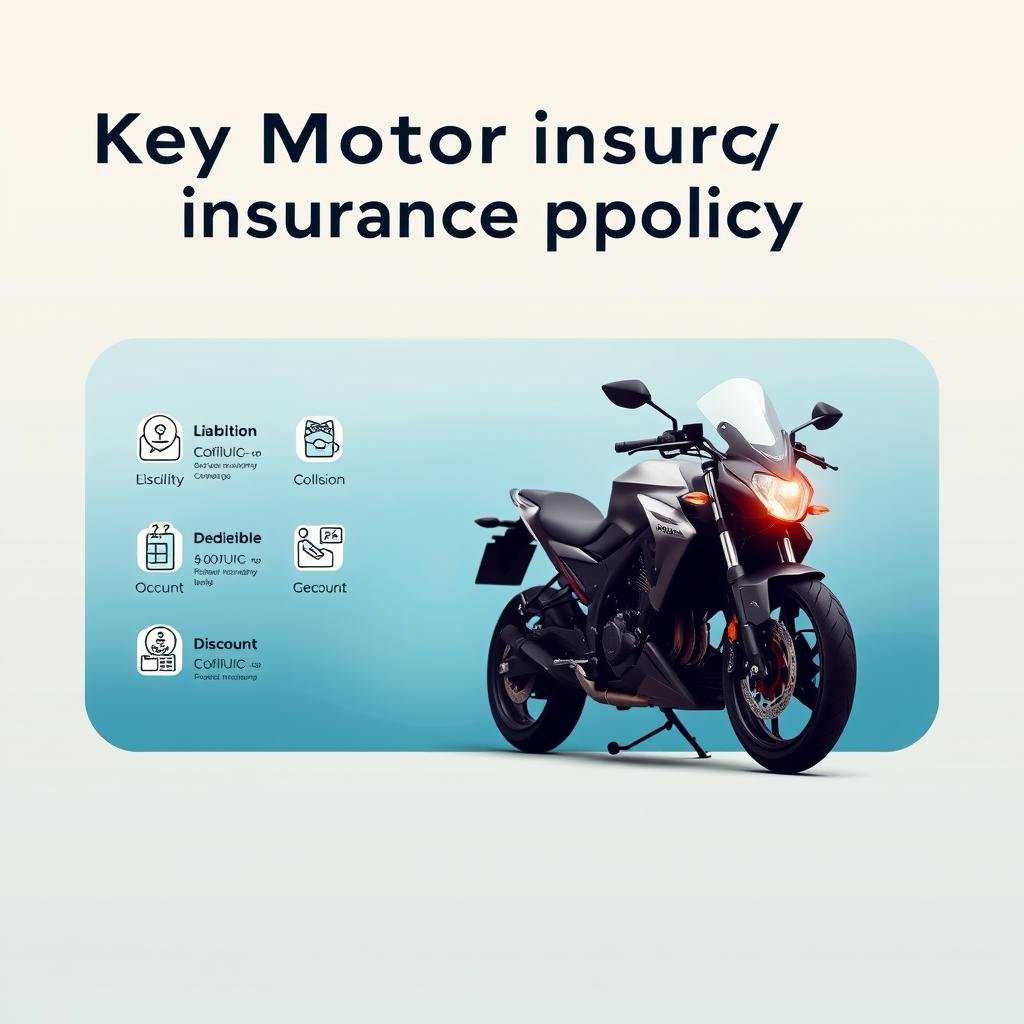
Riding on open American roads offers unmatched freedom, but it also carries significant financial risks. Getting the right motorcycle insurance policy features is crucial for every rider. It helps protect their assets and health. Without proper coverage, a single accident can lead to overwhelming medical bills and repair costs.
Understanding complex legal jargon often feels like a daunting task for many enthusiasts. However, gaining clarity on your specific protection needs allows you to make confident choices. By evaluating liability limits and collision options, you ensure that your investment remains safe regardless of what happens on the highway.
Key Takeaways
- Assess your liability limits to ensure adequate financial protection.
- Understand the difference between collision and comprehensive coverage options.
- Review medical payment benefits to cover potential injury expenses.
- Check for uninsured motorist protection to guard against negligent drivers.
- Consult with experts to tailor your plan to your specific riding habits.
Understanding the Importance of Motorcycle Insurance
Knowing why you need insurance is key for any motorcycle owner. The excitement of riding is great, but keeping your bike and finances safe is crucial. By choosing the right insurance, you’re ready for life’s surprises on two wheels.
Why You Need Motorcycle Insurance
Insurance is more than just fixing your bike. It also protects you from lawsuits if you hurt someone or damage property. Without it, you could lose a lot of money, harming your savings.
A good policy also guards against theft, vandalism, and natural disasters. When you find cheap motorcycle insurance, you’re not just saving money. You’re also at peace, knowing you’re covered.
Common Misconceptions About Coverage
Many new riders think their car insurance covers their motorcycle. But most car policies don’t cover bikes. Always check your policy to avoid being left without coverage.
Some think insurance is only for expensive bikes. But the risk of accidents is the same for all bikes. The right insurance gives you the protection you need, no matter your bike’s value.
Legal Requirements for Insurance
Insurance laws for motorcycles vary by state. Most states require a minimum of liability coverage to ride legally. Not having it can result in fines, license loss, or even your bike being taken away.
Check with your local DMV to know what your state requires. Following these laws is essential for safe riding. It ensures you can ride legally and responsibly.
Key Features of a Motorcycle Insurance Policy
Knowing what your insurance covers is key to protecting your motorcycle. When you look at motorcycle insurance policy features, you feel more confident on the road. These parts ensure you’re safe when accidents happen.
Liability Coverage Explained
Liability coverage is crucial because it shields your money if you’re at fault in an accident. It covers injuries and damage you cause to others. Most states require it to help accident victims.
Collision and Comprehensive Coverage
Collision and comprehensive coverage protect your bike. Collision pays for repairs if you hit something, no matter who’s at fault. Comprehensive covers theft, vandalism, fire, or damage from weather. Learn more at what does motorcycle insurance cover.
Uninsured and Underinsured Motorist Coverage
Public roads mean sharing space with drivers who might not be insured. Uninsured and underinsured motorist coverage is a vital safety net. It helps with medical bills and bike repairs if hit by someone without enough insurance. Make sure your policy includes this for complete peace of mind.
Types of Motorcycle Insurance Policies
Choosing the right motorcycle insurance means looking at the different types of protection out there. Riders need to check out various motorcycle insurance coverage options to find what fits their needs. The type of bike you have, like a heavy cruiser or a sportbike, affects the best policy for you.
Standard vs. Specialized Policies
Standard policies give the basic protection needed by law. They cover liability for injuries and property damage. These are good for casual riders who use their bikes for weekend rides.
Specialized policies, on the other hand, are for specific riding habits or unique bikes. If you go to track days or have a vintage bike, a specialized plan might be better than a standard policy.
Comprehensive vs. Basic Coverage
Basic coverage mainly covers liability, which pays for damages to others. It keeps costs low but leaves your bike at risk for theft, fire, or vandalism.
Choosing comprehensive motorcycle insurance coverage gives you more protection. It covers non-collision events, so you won’t have to pay for unexpected repairs or total losses.
Custom and Modified Bike Insurance
Many riders customize their bikes with aftermarket parts, custom paint, or performance upgrades. But standard policies often don’t cover these expensive changes.
To protect your custom bike, look for custom parts and equipment endorsements. These ensure your modifications are covered in case of an accident. This gives you peace of mind while riding.
Coverage Limits and Deductibles
Understanding your motorcycle insurance policy details is key. Limits and deductibles affect how much protection you have and what you pay in case of an accident. It’s important to find a balance for affordable insurance that still protects you well.
Understanding Policy Limits
A policy limit is the maximum amount your insurance will cover for a loss. If costs go over this, you must pay the difference yourself. Choose limits that match your bike’s value and your financial comfort level.
“Insurance is not just about the cost of the premium; it is about the peace of mind that comes from knowing your assets are fully protected against the unexpected.”
Choosing the Right Deductible
The deductible is the amount you pay before insurance kicks in. A higher deductible means lower monthly payments but more risk for you. A lower deductible means you pay less upfront but more each month.
Think about your savings before picking a high deductible. Make sure you can afford the upfront cost if an accident happens. This choice helps keep your policy affordable without losing necessary coverage.
How Coverage Limits Affect Premiums
More protection means higher insurance costs. Higher limits offer more safety but increase the insurer’s risk, leading to higher premiums. Knowing these motorcycle insurance policy details helps you customize your plan.
Most riders aim for a balance that covers their main risks without overpaying. Regularly check your limits to keep your policy in line with your finances and bike’s value.
Customization Options for Your Policy
Your motorcycle shows off your personality, and your insurance should too. Standard plans are a good start, but many riders need more. By exploring different motorcycle insurance coverage options, you can create a policy that matches your riding style and lifestyle.
Adding Accessories and Modifications
Standard policies might not cover expensive upgrades like custom exhausts or paint jobs. If you’ve spent a lot on your bike, look into motorcycle insurance policy add-ons for these extras.
Without this extra coverage, you might only get the value of a stock bike back after an accident. Protecting your investment means your custom work is covered in case of loss or damage.
Personal Injury Protection Options
Riding comes with risks, and good medical coverage is key for peace of mind. Personal Injury Protection (PIP) covers medical costs for you and your passengers, no matter who’s at fault.
“The best protection is the kind you never have to use, but are incredibly grateful to have when the unexpected happens.” —
PIP helps with hospital bills, rehab, and lost wages. It’s a crucial layer of financial security beyond basic liability.
Roadside Assistance Benefits
Being stranded is stressful for any rider. Adding roadside assistance to your policy offers immediate support for breakdowns, flat tires, or empty tanks.
| Service Type | Standard Policy | Enhanced Policy |
|---|---|---|
| Towing | Limited | Unlimited/High Limit |
| Flat Tire Repair | Not Included | Included |
| Fuel Delivery | Not Included | Included |
Most insurers offer this as a low-cost add-on for 24/7 emergency dispatch. This ensures help is just a call away, keeping you safe and moving.
Factors Affecting Your Premium
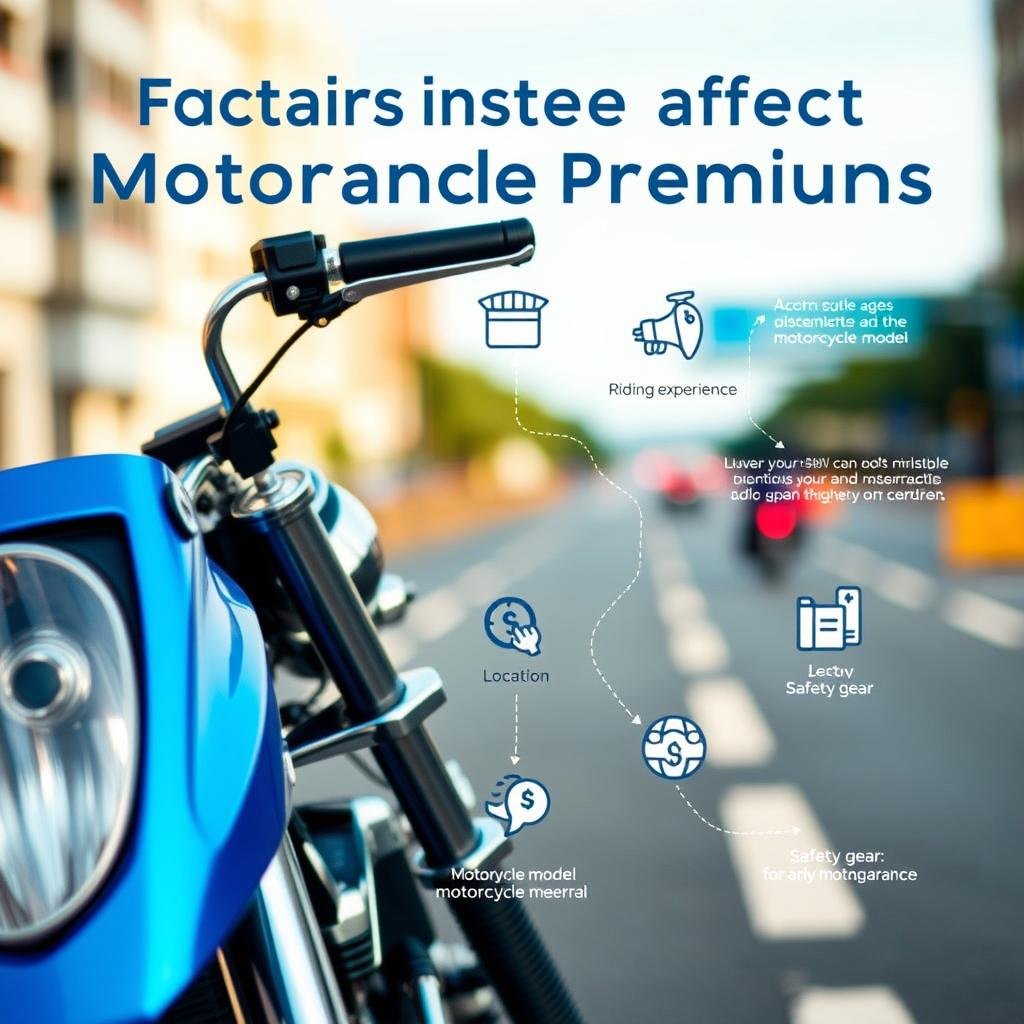
Many things can change how much you pay for motorcycle insurance. This includes your personal history and the type of bike you own. Insurance companies look at these details to figure out how much risk you pose. Knowing what affects your rates can help you manage your costs better.
Riding Experience and Age
Your age and how long you’ve been riding are key for insurance companies. Young riders, especially those under 25, often pay more because they’re more likely to crash. Experience is important because older, safer riders get better rates.
Starting out, you might pay more. But as you ride safely and gain experience, your rates can drop. Keeping your driving record clean is crucial to keep your rates low.
Type of Motorcycle Owned
The make, model, and engine size of your bike affect your premium. Faster bikes like sport bikes cost more to insure than cruisers. Insurance companies look at repair costs and theft rates to set your rate.
Bikes with bigger engines are seen as riskier. Custom bikes might also raise your premium because they’re pricier to fix or replace. Talk to your agent about how your bike impacts your costs.
Safety Courses and Discounts
Improving your riding skills can save you money. Many insurers give discounts for riders who take safety courses. These courses show you’re serious about safe riding.
Keeping a clean driving record is also key to low premiums. Some insurers offer discounts for anti-theft devices or secure storage. Investing in your safety can lead to better insurance rates in the long run.
Discounts and Savings Opportunities
Smart riders know how to get the most out of their motorcycle insurance policy cost benefits. While premiums are needed for protection, many providers offer ways to keep costs down. By looking into these options, you can get great coverage without spending too much.
Common Discounts Offered by Insurers
Most insurance companies offer discounts for good behavior and loyalty. These programs can help lower your costs if you keep a clean record.
- Multi-policy discounts: Getting your motorcycle, home, or auto insurance from the same company can save you money.
- Safe rider rewards: Not getting into accidents or getting tickets can lead to big savings.
- Safety course completion: Taking a certified motorcycle safety training program can earn you discounts.
- Loyalty programs: Long-term customers might get special savings for staying with the same provider.
How to Qualify for Lower Rates
To get these savings, you need to be proactive. Always check your policy to see if you’re getting all the discounts you can.
First, talk to your insurance agent about any discounts you might be missing. Always keep your documentation updated, especially after a safety course or adding anti-theft devices. Showing proof of these upgrades can lower your premium right away.
Seasonal Promotions and Offers
Some providers also have seasonal promotions that can improve your motorcycle insurance policy cost benefits. These deals often happen at certain times of the year, like the start of riding season or during special events.
It’s a good idea to check your insurer’s website or newsletter often for these deals. Sometimes, companies offer lower rates for new policies during specific months. Keeping up with these offers can help you save on your yearly coverage costs.
Benefits of Bundling Insurance Policies
Getting all your insurance under one roof is more than just easier to manage. It makes your financial life simpler. Plus, you get special motorcycle insurance policy benefits that others don’t.
Combining Motorcycle and Auto Insurance
In the U.S., most big insurance companies let you link your motorcycle policy with your car or home insurance. This means you only have to deal with one login, one renewal date, and one set of documents. Efficiency is key here, saving you time on tracking multiple due dates or payment plans.
Combining Motorcycle and Auto Insurance
Bundling does more than just simplify things. It also helps manage your risks better. When one company knows all about your policies, they can help you faster during claims. This is because they understand your whole situation.
“Bundling is not just about the discount; it is about creating a unified safety net that ensures no gaps exist between your various insurance products.”
Potential Savings from Bundling
The biggest perk for many is the lower premiums. Insurance companies often give big motorcycle insurance policy cost benefits to those who bundle. These discounts can be as much as 20% off, depending on the company and how many policies you bundle.
Evaluating Coverage Across Policies
While saving money is great, make sure you’re still fully covered. Check that your liability limits and deductibles are the same for both your motorcycle and car. Make sure the motorcycle insurance policy cost benefits don’t cut into your coverage.
| Feature | Standalone Policy | Bundled Policy |
|---|---|---|
| Administrative Effort | High (Multiple portals) | Low (Single portal) |
| Premium Cost | Standard Rates | Discounted Rates |
| Claims Handling | Independent | Integrated |
| Renewal Process | Multiple Dates | Unified Date |
Comparing your current setup to a bundled option can show you hidden value. Always talk to your agent to make sure your motorcycle insurance policy benefits are the best they can be, without risking your financial safety.
Common Exclusions in Motorcycle Insurance
Knowing what your insurance doesn’t cover is as important as knowing what it does. Many riders focus on the motorcycle insurance policy inclusions. But it’s also key to know when your provider might not pay for a claim. Knowing these gaps can help you avoid big financial surprises after an accident.

Situations Typically Not Covered
Most policies cover riding on public roads. But, activities like competitive racing or track days are usually not included. If you do these things, your basic policy won’t help with bike damage or injuries.
Off-road riding is also often not covered. If you ride on trails or dirt tracks a lot, check if your policy includes this. Also, using your bike for work, like food delivery, is usually not covered unless you have a special business add-on.
Understanding Exclusion Clauses
Exclusion clauses are parts of your contract that say what’s not covered. They’re written in legal terms that can be hard to understand. It’s very important to read your policy documents to see what risks are not covered.
These clauses help insurers avoid big risks. They clearly state what they won’t cover. But, this means you need to know what’s not included in your policy.
Steps to Address Common Exclusions
If you find your policy doesn’t cover enough, you can take steps to fill the gaps. The best way is to ask about motorcycle insurance policy add-ons for your specific riding needs. Many insurers offer extra coverage for custom parts, roadside help, or track day use.
Start by looking at your declarations page and talking to your insurance agent. Ask them to explain any unclear parts about off-road or commercial use. By adding special coverage, you can make sure your financial security is protected, no matter how you ride.
Filing a Claim: What to Expect
Filing an insurance claim is a key part of using your motorcycle insurance policy inclusions well. No rider wants an accident or theft, but being ready helps you handle it better. If you need better protection, you can get affordable motorcycle insurance quotes now.
The Claims Process Explained
When an incident happens, the first step is to stay safe and call emergency services if someone is hurt. After it’s safe, tell your insurance company right away to start the process.
An adjuster will look at your case and see what your motorcycle insurance policy inclusions cover. It’s important to talk openly with your agent to get things settled quickly.
Documentation You’ll Need
Good evidence is key for a successful claim. Collecting the right stuff right away can speed things up. Here’s what you should get:
- Police reports: Always file a report, even for small accidents or theft.
- Photographic evidence: Take clear photos of the damage and the area.
- Witness details: Get names and contact info from anyone who saw it.
- Personal records: Keep a copy of your policy and any maintenance records.
Tips for a Smooth Claim Experience
Being organized helps a lot during a claim. Keep everything related to the incident in one place. Honesty is the best policy when talking to your insurance company.
Don’t let anyone fix your bike without your insurer’s okay. Following these tips makes sure your motorcycle insurance policy inclusions work right, so you can ride again soon.
Evaluating Your Policy Regularly
Your motorcycle insurance policy is not a “set it and forget it” financial product. Your personal life and the value of your assets can change a lot over time. By regularly reviewing your motorcycle insurance policy details, you make sure you’re still well-protected.
When to Review Your Coverage
Experts say you should check your policy every year. This yearly check helps ensure your contact info and bike details are up-to-date. You should also review it after big life changes that might affect your risk or financial needs.
Signs You Need to Update Your Policy
There are clear signs you need to talk to your agent about updating your policy. If you’ve bought a new bike, added expensive parts, or moved, your coverage might not be enough. Changes in your commute or where you store your bike can also change your rates.
Proactive riders update their policy after these changes to avoid coverage gaps. Don’t wait for a renewal notice to see if your policy limits are still good. Keeping your agent informed helps you stay financially secure.
Using Comparisons to Improve Coverage
Doing a regular motorcycle insurance policy comparison is wise. The insurance market is competitive, with new deals and better options coming up. By comparing your policy to others, you can find better value and protection.
| Review Factor | Action Required | Potential Benefit |
|---|---|---|
| Annual Audit | Verify current data | Avoid coverage gaps |
| Market Rates | Run a policy comparison | Lower annual premiums |
| Life Changes | Update policy limits | Better financial protection |
The Role of Motorcycle Safety Gear
Did you know that your choice of riding apparel can influence your motorcycle insurance policy benefits? Safety gear is designed to protect you from harm. Many insurance companies see a rider’s commitment to safety as a sign of reduced risk. Wearing high-quality equipment shows you’re proactive about preventing accidents.
How Gear Can Lower Your Premium
Some insurance providers offer discounts for riders who use certified safety equipment. If you show proof of ownership for high-quality gear, you might get lower premiums or reduced deductibles. Insurers know that proper protection lowers the chance of severe injury during a claim.
These motorcycle insurance policy benefits vary by carrier. Always ask your agent if they offer incentives for advanced safety technology. Even a small discount can save a lot over time.
Insurer Requirements for Safety Equipment
To get discounts, your gear must meet certain standards. Insurers want helmets and protective clothing certified by recognized safety organizations. These standards check for impact resistance and durability.
- DOT (Department of Transportation) certification for helmets.
- Snell Memorial Foundation ratings for high-performance headgear.
- CE-rated armor for jackets, pants, and gloves.
Keep receipts and documentation for any major safety purchases. Your insurer may ask for this to check if your equipment meets their safety guidelines. Keeping these records helps you get all the motorcycle insurance policy benefits you’re eligible for.
Evaluating Different Types of Gear
Choose gear that balances comfort and protection. A full-face helmet is the best for head protection, covering the entire face and jaw. Look for jackets and pants with reinforced padding in high-impact areas like elbows, shoulders, and knees.
High-visibility clothing is also key. Reflective materials make you more visible to other drivers, preventing accidents. By picking gear that focuses on both impact protection and visibility, you boost your safety and may get better insurance rates.
The Impact of Riding Experience on Insurance
Building a good reputation as a safe rider can help lower your insurance costs. Insurance companies look at your past riding history to predict your future risk. Knowing how your past actions affect your policy can help you get better rates.
Factors Related to Experience Level
When you apply for insurance, companies check several important factors. They first look at how long you’ve had a motorcycle endorsement. A rider with more years of experience is less likely to have an accident.
They also look at your formal training history. Taking a safety course shows you’re serious about safe riding. These courses give insurers confidence in your ability to handle different road conditions.
How Experience Affects Rates
Your riding history directly affects your monthly premiums. Insurers keep track of your traffic violations and previous insurance claims. A history of speeding tickets or accidents means higher costs.
On the other hand, a clean record can lower your expenses. If you’ve gone years without a claim or ticket, you might get preferred pricing tiers. Keeping a clean record helps you keep these lower rates.
Tips for New Riders
If you’re new to riding, you can start building a good insurance history right away. First, focus on defensive driving techniques to avoid accidents and tickets. Being alert and anticipating other drivers’ actions is key.
Here are some tips to manage your costs early on:
- Take a certified motorcycle safety course to show you’re serious about safety.
- Keep your insurance policy active without gaps to show you’re financially responsible.
- Choose a motorcycle that fits your skill level to reduce the risk of accidents.
By following these tips, you can improve your standing with insurance companies. Your commitment to safety will lead to significant long-term savings on your motorcycle insurance.
Understanding State Regulations and Requirements
Getting a handle on motorcycle insurance means knowing the laws in your state. Laws change a lot from place to place. So, it’s key to compare insurance policies to find the right one for you. Make sure your insurance meets your state’s minimums to avoid fines.
Variations by State
Every state has its own rules for motorcycle insurance. Some set limits on liability, while others require extra coverage like personal injury protection. Knowing these details helps you make sure you’re covered when you ride.
Here’s a table showing how different states have different rules:
| State Category | Typical Requirement | Focus Area |
|---|---|---|
| Mandatory Liability | Bodily Injury/Property Damage | Legal Compliance |
| No-Fault States | Personal Injury Protection | Medical Coverage |
| Optional Coverage | Comprehensive/Collision | Asset Protection |
Resources for Checking State Laws
To keep up, check official government sites. Your state’s DMV website is the best place for the latest laws. Also, your state’s Department of Insurance has guides on what insurance you need.
Using these sites makes sure your motorcycle insurance policy comparison is correct. Don’t just trust online tips, as laws can change often. Always check your status on official state sites.
Collaborating with Insurance Agents
Working with a local insurance agent is a big plus. They know the laws in your area well and can make a policy just for you. They help you understand the law and what you need for riding.
A good agent can help you find a policy that’s both affordable and meets the law. Getting to know a local agent is a smart move for your future.
Conclusion: Making Informed Decisions
Protecting your motorcycle means knowing what coverage you need. By choosing the right insurance, you can ride with confidence.
Essential Coverage Elements
A good policy has both liability and physical damage coverage. Make sure your limits are high to protect your assets. Choose trusted providers like Progressive or GEICO for reliable support.
Steps for Optimal Protection
First, compare quotes from different companies. This helps you find the best policy for your money. Think about your riding and bike’s value to see if you need extra coverage. Keep your insurance documents ready for easy access.
Final Thoughts on Coverage
Your insurance needs change as you ride more and your bike evolves. Check your policy every year to keep it up-to-date. By being proactive, you can get great insurance without breaking the bank. Ride safe, knowing you’re financially secure.
FAQ
Why is it important to understand specific motorcycle insurance policy features before signing a contract?
Does my existing auto insurance policy cover my motorcycle?
What are the best motorcycle insurance policy features for riders who want total protection?
How does uninsured and underinsured motorist coverage protect me?
Are custom parts and aftermarket modifications covered under standard policies?
How do I choose the right deductible for my budget?
Can I get help if my bike breaks down on a long trip?
What is the most effective way to lower my insurance premium?
Is bundling my motorcycle and auto insurance worth the effort?
What are common exclusions in a motorcycle insurance policy that I should watch out for?
What documentation do I need to file an insurance claim effectively?
How often should I review and update my motorcycle insurance policy?
Does wearing high-quality safety gear affect my insurance rates?
How does my age and riding experience affect my premium?
Why do I need to check my specific state’s insurance regulations?

About the Author: Macelo
A professional dedicated to producing informative content for the automotive and insurance sectors, focusing on consumer education and practical analysis of products and services. They develop texts covering topics ranging from vehicle maintenance and use to insurance contracts, coverage comparisons, and risk assessment, always using accessible and up-to-date language.