University of Lorraine Launches International Chair on Disability and Organizational Transformation
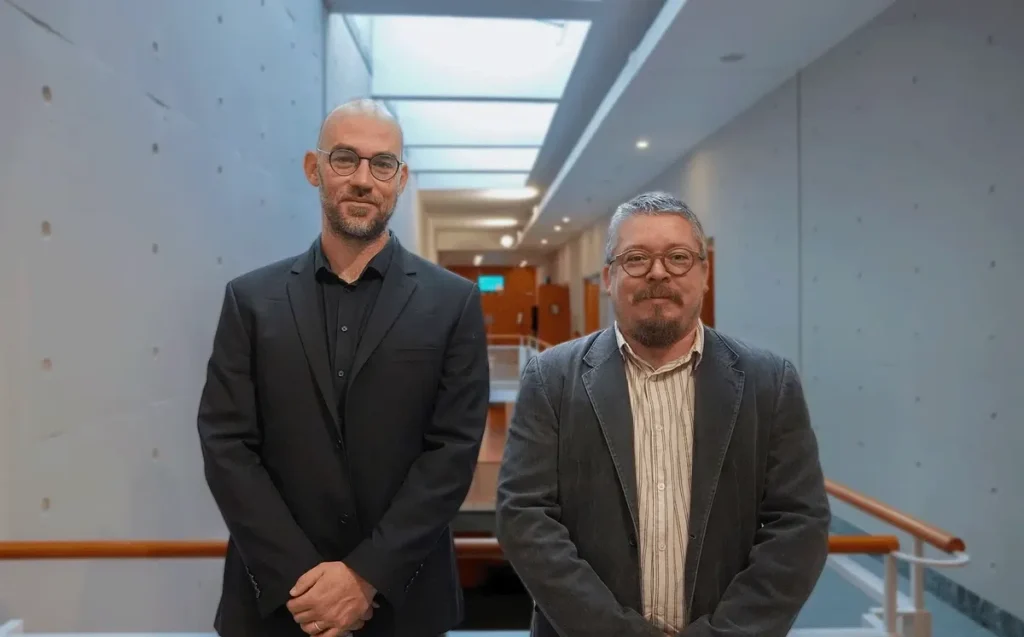
The University of Lorraine has officially launched the International Chair on Disability and Organizational Transformation (IHTO), hosted by IAE Nancy and CEREFIGE. This academic and partnership-driven initiative aims to deeply examine the evolving landscape of disability while actively participating in the professional training of key stakeholders across various sectors.
Historically recognized as an administrative category in the early 20th century, the concept of disability has undergone significant transformations. International frameworks, including landmark insights from the World Health Organization and movements originating in the Anglo-Saxon world during the 1970s, redefined disability. Today, it is understood as a restriction in social participation arising from the interaction between personal factors and environmental obstacles.
Rethinking Environments for Universal Accessibility
Despite modern definitions, translating theoretical frameworks into daily practices remains a persistent challenge in professional environments. In France, the United Nations Convention on the Rights of Persons with Disabilities, adopted in 2006 and ratified in 2010, is still frequently unfamiliar to practitioners and the general public. The IHTO Chair intends to bridge this gap by highlighting international research to question traditional organizational models.
The initiative deliberately focuses on environments historically designed primarily for able-bodied individuals. By collaborating directly with affected communities, the Chair seeks to co-create inclusive frameworks across education, employment, healthcare, and daily support systems. Addressing these structural challenges requires a collective shift in how organizations approach compensation and accessibility.
Strategic Partnerships and Collaborative Research
Founded alongside prominent public and private entities, the IHTO benefits from a robust network of committed actors in France and Quebec. Key founding partners include the Regional Health Agency of Grand Est (ARS), the Ellen Poidatz Foundation, and specialized regional associations such as OREAG, Adapei de la Meuse, and Adapei d’Ille-et-Vilaine.
Co-directed by Loïc Andrien and Jean-Philippe Nau, the partnership focuses on three core missions to drive systemic change:
- Network Animation: Fostering collaboration through academic seminars, specialized webinars, and public events.
- Applied Research: Designing, managing, and conducting rigorous research projects to produce actionable societal knowledge.
- Knowledge Dissemination: Spreading innovative practices and developing targeted educational training programs for professionals.
Fostering Regional Inclusion and Future Perspectives
Anchored within the broader inclusive strategy of the University of Lorraine, the Chair operates as a dedicated regional reflection hub. It provides actionable insights for local territories striving to rethink the integration and societal standing of individuals with disabilities in modern organizations.
As organizations increasingly prioritize tailored solutions and operational inclusivity, academic structures like IHTO play a vital role in guiding long-term strategic evolution. Through continuous dialogue between researchers, institutions, and practitioners, the initiative aims to turn theoretical rights into everyday realities.
Frequently Asked Questions
What is the main objective of the IHTO Chair?
The IHTO Chair studies the transformation of the disability field, promotes international research, and develops innovative professional training to enhance social participation in organizations.
Where is the IHTO Chair located?
The IHTO Chair is established at the University of Lorraine, specifically operating within IAE Nancy and the CEREFIGE research center in France.
Who are the founding partners of the initiative?
Founding partners include the Regional Health Agency Grand Est, the Ellen Poidatz Foundation, and regional associations such as OREAG, Adapei de la Meuse, and Adapei d’Ille-et-Vilaine.
Com informações de Portal de Notícias

About the Author: Dilsom oliveira
A professional dedicated to producing content for the automotive and insurance sectors, with experience covering topics such as insurance contracts, types of coverage, deductibles, vehicle maintenance, and driver rights. Their work aims to guide the reader with reliable and up-to-date information, facilitating decision-making in different contexts related to vehicle use and protection.