High-Risk Auto Insurance: Protect Your Ride

Drivers with a history of accidents or many traffic violations often end up in the “non-standard” car insurance market. BrokerLink says these drivers are seen as high-risk because of their driving history or other factors.
High-risk auto insurance is made for these drivers. It’s key for those seen as high-risk to know their options and find the best car insurance quotes.
Key Takeaways
- High-risk auto insurance is for drivers with a history of accidents or traffic violations.
- It’s essential to understand your options as a high-risk driver.
- Comparing quotes can help you find the best car insurance rates.
- BrokerLink is a resource for understanding the non-standard insurance market.
- High-risk car insurance quotes can vary significantly between providers.
What Is High-Risk Auto Insurance?
High-risk auto insurance is for drivers who are more likely to get into accidents. It’s for those with a history of claims or risky driving. This insurance helps cover the costs of accidents and claims.
Definition and Overview
High-risk auto insurance is for drivers who are seen as high-risk. It’s for those who might get into more accidents, based on their driving history. This insurance costs more and has different rules than regular auto insurance.
The main difference is the risk level. High-risk drivers are more likely to have accidents. This means insurance companies charge more and offer different options.
Key Characteristics
High-risk auto insurance has higher costs and special coverage options. Drivers pay more because they’re seen as riskier. Insurance companies also offer custom plans to fit these drivers’ needs.
Some main features of high-risk auto insurance include:
- Higher Premiums: Prices are higher because of the risk.
- Customized Coverage: Plans are made to fit the driver’s specific needs.
- Stricter Payment Terms: Payment rules are stricter to manage risk.
Knowing these features helps drivers understand high-risk auto insurance better. It helps them make smart choices about their coverage.
Who Needs High-Risk Auto Insurance?
Some drivers need special insurance called high-risk auto insurance. This is for those who are seen as higher risks to insure. This could be because of their driving history, age, or other factors.
Drivers with Multiple Accidents
Drivers with many accidents are seen as high-risk. Excalibur Insurance says a bad driving record makes someone high-risk. Insurers think these drivers are more likely to have more accidents in the future. So, they offer high-risk auto insurance at a higher cost.
New or Inexperienced Drivers
New or inexperienced drivers, often young ones, are also high-risk. BrokerLink says drivers with little experience are high-risk because they’re more likely to have accidents. High-risk auto insurance helps these drivers get the coverage they need as they get more experience.
Drivers with Bad Credit
Drivers with bad credit are also considered high-risk. Insurers think people with poor credit might file more claims or miss payments. High-risk auto insurance is important for these drivers, giving them the coverage they need despite their credit.
The following table summarizes the types of drivers who typically need high-risk auto insurance:
| Driver Category | Reason for High-Risk Classification |
|---|---|
| Drivers with Multiple Accidents | History of accidents indicating higher likelihood of future incidents |
| New or Inexperienced Drivers | Lack of driving experience, higher likelihood of accidents |
| Drivers with Bad Credit | Poor credit history suggesting higher risk of claims or missed payments |
Knowing who needs high-risk auto insurance helps drivers get the right coverage. Whether it’s because of accidents, lack of experience, or bad credit, this insurance is key for protection.
Factors that Determine High-Risk Status
Insurance companies look at many things to decide if a driver is high-risk. This helps them set the right premium rates and coverage for high-risk auto insurance policies.
Driving Record
A driver’s history on the road is very important. Multiple accidents, traffic violations, and claims history tell insurers about future risks. Drivers with a bad driving record are seen as high-risk.
For example, drivers with DUIs or many speeding tickets pay more. Insurers think these drivers are more likely to have accidents, which means more risk for the company.
Vehicle Type
The kind of vehicle a driver has also matters. High-performance vehicles, luxury cars, and vehicles with high theft rates cost more to insure. These cars are expensive to fix or are stolen often, raising the risk for insurers.
Sports cars with strong engines are risky because of their speed. Luxury cars are stolen a lot, which means more claims for insurers.
Location
Where a vehicle is driven and parked also affects its risk level. Areas with high crime rates, heavy traffic congestion, or extreme weather conditions increase the risk of accidents or theft. This can raise insurance rates.
Busy cities with lots of traffic are riskier because of more accidents. Places hit by natural disasters like hurricanes or hail storms also lead to more claims, which can increase premiums.
| Factor | Description | Impact on Premium |
|---|---|---|
| Driving Record | History of accidents, traffic violations | Higher premiums for multiple infractions |
| Vehicle Type | High-performance, luxury, or high-theft vehicles | Increased premiums due to higher risk |
| Location | Areas with high crime, heavy traffic, or extreme weather | Higher premiums due to increased risk of claims |
Benefits of High-Risk Auto Insurance

High-risk auto insurance offers more than just meeting legal requirements. It provides essential protections and peace of mind. Even though drivers are considered high-risk, they can find insurance that meets their specific needs.
Customized Coverage Options
High-risk auto insurance policies often have customized coverage options. Drivers can pick the protections that fit their situation best. This might include coverage for accidents, damage, or liability.
Companies like BrokerLink and Excalibur Insurance focus on giving high-risk drivers the protections they need. Their policies are flexible and tailored to meet the unique needs of high-risk drivers.
Access to Essential Protections
One key benefit of high-risk auto insurance is the essential protections it offers. These protections are vital for drivers who might be more likely to be in accidents or have their cars damaged.
With the right insurance, high-risk drivers can protect themselves financially. This gives them peace of mind and helps keep their finances stable.
| Benefit | Description | Provider Example |
|---|---|---|
| Customized Coverage | Tailored insurance options to fit individual needs | BrokerLink |
| Essential Protections | Access to necessary insurance protections | Excalibur Insurance |
| Financial Stability | Protection against financial loss due to accidents or damage | Various Insurers |
Understanding Premium Costs
High-risk auto insurance costs can be a big worry for many drivers. It’s key to know what affects these costs. Drivers seen as high-risk by insurance companies often pay more.
How Premiums Are Calculated
Premiums for high-risk drivers depend on their claim likelihood. Excalibur Insurance says several factors play a role. Drivers with accidents or traffic tickets in their past face higher costs.
The process to figure out premiums looks at the driver’s risk level. Here are some main factors that affect costs:
- Driving Record: Accidents or tickets raise premiums.
- Vehicle Type: Insuring a fast or fancy car costs more.
- Location: High crime or heavy traffic areas increase costs.
Average Cost Comparison
Knowing the average cost of high-risk auto insurance helps drivers plan. Costs vary, but comparing averages is useful.
High-risk drivers usually pay more than standard drivers. Here’s a quick comparison:
| Driver Category | Average Annual Premium |
|---|---|
| Standard Drivers | $1,200 |
| High-Risk Drivers | $2,000 – $3,000 |
High-risk drivers should compare quotes to find the best rates. This can save them hundreds each year.
Finding the Right High-Risk Auto Insurance Provider

Looking for high-risk auto insurance means finding a provider that gets you. High-risk drivers often struggle to find insurance. But, there are companies that focus on their needs.
Start by researching possible insurers. Companies like Excalibur Insurance work with top insurers for high-risk drivers. BrokerLink also compares rates from many providers to find the best policy for you.
Researching Insurers
When researching, look at an insurer’s reputation, financial health, and customer service. A good insurer is financially strong and has happy customers. Make sure they specialize in high-risk auto insurance policies for better service and coverage.
Check if the insurer is experienced with high-risk drivers. Some insurers offer better rates or more coverage for drivers with a bad record.
Customer Reviews and Ratings
Customer reviews and ratings are key to understanding an insurer. They show how well an insurer handles claims and supports customers. Look for reviews from other high-risk drivers to see if the insurer meets their needs.
Also, check ratings from agencies like A.M. Best or Moody’s. These ratings show an insurer’s financial strength and ability to pay claims. A high rating means the insurer is reliable.
In summary, finding the right high-risk auto insurance provider requires research and looking at customer feedback. Choose a reputable insurer that specializes in high-risk auto insurance to get the coverage you need at a good price.
Discounts Available for High-Risk Drivers
High-risk drivers can lower their insurance costs with various discounts. Even with higher premiums, many insurers offer deals to make coverage more affordable.
Companies like Excalibur Insurance offer discounts for high-risk drivers. These discounts help lower premiums and encourage safe driving and loyalty.
Safety Course Discounts
High-risk drivers can cut their insurance costs by taking a defensive driving or safety course. These courses teach safe driving and accident avoidance, lowering a driver’s risk profile.
- Defensive Driving Courses: Many states offer defensive driving courses to reduce points on a driver’s license.
- Safety Course Benefits: Taking a safety course shows insurers a driver’s commitment to safe driving, which can lead to lower premiums.
Bundling Policies
Another way to save is by bundling multiple insurance policies with the same company. High-risk drivers can save by combining auto insurance with home or renters insurance.
- Multiple Policy Discounts: Insurers give discounts to customers with multiple policies.
- Convenience and Savings: Bundling policies saves money and makes managing insurance easier.
Exploring these discounts can help high-risk drivers find more affordable high-risk auto insurance. It’s key to talk to your insurance provider about available discounts to save more.
Common Misconceptions About High-Risk Auto Insurance
Many people don’t understand high-risk auto insurance. They think it’s only for drivers who have had many accidents or drive recklessly. But, it’s for anyone who is seen as a higher risk to insure.
It’s Only for Dangerous Drivers
Some believe high-risk auto insurance is only for dangerous drivers. But, Excalibur Insurance says it’s not just about reckless driving. It can also be due to a bad credit score, being a new driver, or driving a certain type of car.
It’s Always Very Expensive
Another myth is that high-risk auto insurance is always very pricey. While it’s true that premiums can be higher, the cost varies. BrokerLink suggests comparing rates to find better deals.
| State | Average Annual Premium for High-Risk Drivers | Average Annual Premium for Standard Drivers |
|---|---|---|
| California | $2,500 | $1,800 |
| New York | $3,000 | $2,200 |
| Florida | $2,800 | $2,000 |
Knowing the truth about high-risk auto insurance helps drivers make better choices. It’s not just for dangerous drivers, and prices can differ a lot.
How to Improve Your Risk Profile
To better your risk profile, drive safely and keep your car in good shape. By doing so, you can lower your insurance costs and improve your driving record.
Safe Driving Techniques
Safe driving is key to lowering your risk. This means following traffic rules, avoiding accidents, and not getting many tickets. Excalibur Insurance says better driving habits can really help your risk score over time.
- Defensive driving: Anticipate the actions of other drivers to avoid accidents.
- Speed management: Maintain a safe speed to reduce the risk of accidents.
- Avoid distractions: Don’t use your phone or other distracting devices while driving.
Regular Vehicle Maintenance
Keeping your car in good shape is also important. A well-maintained vehicle can prevent accidents caused by mechanical problems.
- Regular oil changes and tune-ups to keep your engine running smoothly.
- Tire checks to ensure proper tread depth and inflation.
- Brake inspections to identify worn-out brake pads or other issues.
By focusing on these areas, you show insurers you’re a responsible driver. This can lead to more affordable high-risk auto insurance options.
| Maintenance Task | Frequency | Benefit |
|---|---|---|
| Oil Change | Every 5,000 miles | Engine longevity |
| Tire Rotation | Every 6,000 miles | Even tread wear |
| Brake Inspection | Every 10,000 miles | Improved safety |
Improving your risk profile takes time and effort. By driving safely and maintaining your vehicle, you can improve your driving record. This can help lower your high-risk auto insurance costs.
Alternative Options to High-Risk Auto Insurance
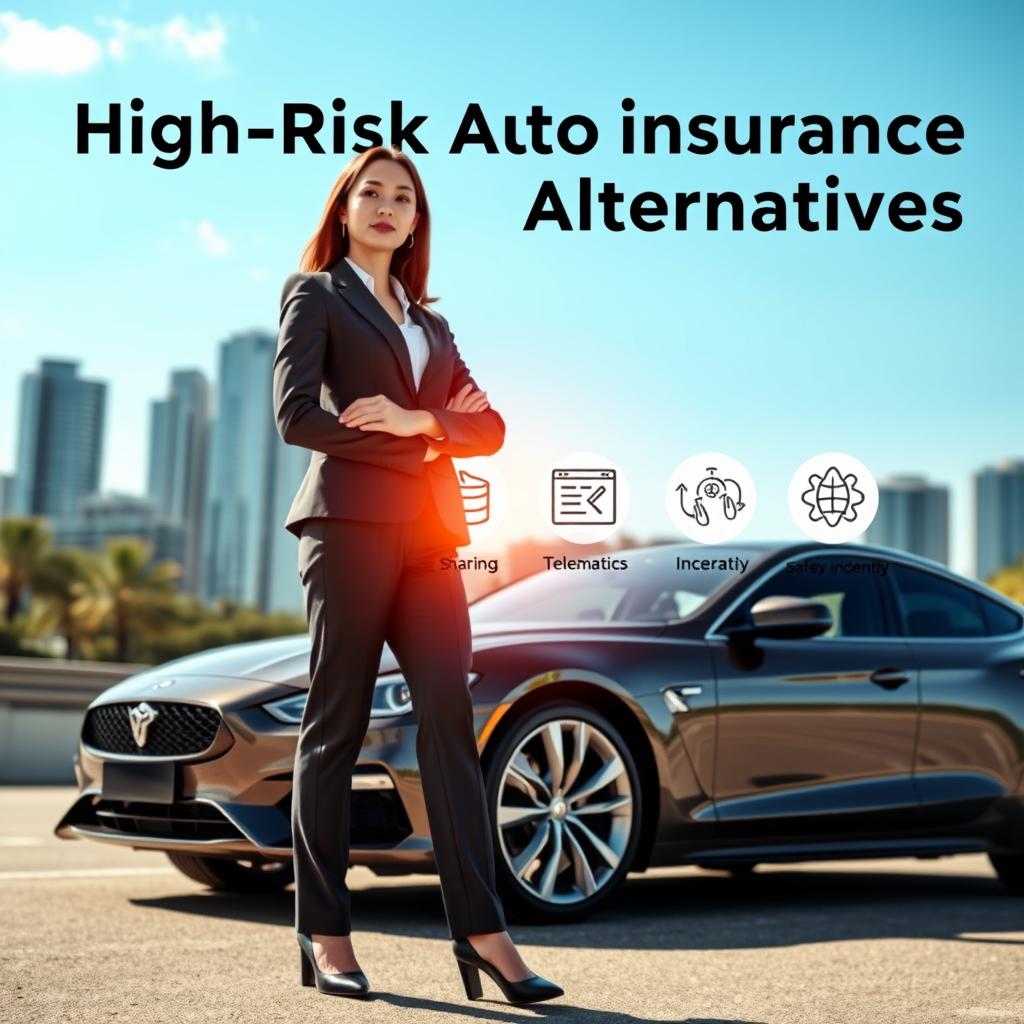
There are other insurance options beyond traditional high-risk auto insurance. Drivers labeled as high-risk may find alternative ways to get the coverage they need.
State-Sponsored Insurance Programs
Some states have state-sponsored insurance programs for drivers who can’t get coverage elsewhere. These programs aim to help high-risk drivers get the auto insurance they need.
- Eligibility criteria vary by state, often based on driving history and other factors.
- These programs may offer more affordable rates compared to traditional high-risk insurance.
- Coverage options and limits can differ significantly from one state to another.
Non-Standard Insurance Policies
Non-standard insurance policies are another option for high-risk drivers. These policies are offered by specialized insurers who work with drivers who have less-than-perfect driving records.
Some key features of non-standard insurance policies include:
- Customized coverage options tailored to the driver’s specific needs.
- Flexible underwriting criteria that consider a broader range of factors.
- Competitive pricing strategies to make coverage more accessible.
Working with a high-risk auto insurance specialist can help drivers navigate these alternative options. They can find the best coverage for their situation.
When exploring alternative insurance options, it’s essential to compare the benefits and limitations of each. By doing so, high-risk drivers can make informed decisions about their auto insurance coverage.
Frequently Asked Questions About High-Risk Auto Insurance
Many drivers need high-risk auto insurance, but it’s often misunderstood. If you’re a high-risk driver, you might wonder about your coverage, like claims and switching providers.
What To Expect in Claims?
Filing a claim with your high-risk auto insurance provider has a process. Excalibur Insurance says, “report the incident, provide necessary documentation, and cooperate with the insurer’s investigation.” Be ready to give detailed info about the incident, like police reports or witness statements.
The time it takes to settle claims varies. BrokerLink says, “most insurers aim to solve claims in a few weeks, but complex cases might take longer.” It’s key to keep in touch with your insurer and ask about your claim’s status.
How to Switch Providers?
Switching high-risk auto insurance providers is easy with the right info. Compare rates and coverage from different insurers to find a better fit. When you decide to switch, tell your current insurer you’re canceling and have your new policy ready.
Think about how switching might affect your risk profile. Experts say, “switching insurers might not lower your risk, but it can help find better rates.”
“Shopping around for high-risk auto insurance can uncover better rates and more suitable coverage options, even for drivers with less-than-ideal records.”
Knowing what to expect in claims and how to switch providers helps high-risk drivers make better choices about their auto insurance.
Conclusion: Taking Control of Your Coverage
Dealing with high-risk auto insurance can be tough. But knowing what you need is the first step. Understanding why you’re considered high-risk and the benefits of tailored coverage helps you manage your insurance better.
Empowering Drivers with Knowledge
Getting help from experienced brokers, like those at BrokerLink, is key. They can find affordable high-risk auto insurance that fits your needs. Taking charge of your insurance is important to ensure you’re protected.
Final Considerations for High-Risk Drivers
High-risk auto insurance isn’t just for those with accidents or tickets. It’s also for new drivers and those with bad credit. Knowing about discounts and bundling policies can lower your costs. Working with a good high-risk auto insurance specialist is essential for the best coverage at a good price.
FAQ
What is high-risk auto insurance, and who needs it?
How do insurance companies determine if I’m a high-risk driver?
Can I get discounts on high-risk auto insurance?
How can I improve my risk profile and lower my premiums?
What are my options if I’m having trouble finding affordable high-risk auto insurance?
How do I file a claim with my high-risk auto insurance provider?
Can I switch high-risk auto insurance providers?
What should I expect when making a claim with a high-risk auto insurance provider?
Are there any specific requirements for high-risk auto insurance policies?
How can I find the best high-risk auto insurance company for my needs?

About the Author: Macelo
A professional dedicated to producing informative content for the automotive and insurance sectors, focusing on consumer education and practical analysis of products and services. They develop texts covering topics ranging from vehicle maintenance and use to insurance contracts, coverage comparisons, and risk assessment, always using accessible and up-to-date language.