Comprehensive Coverage for Natural Disasters

Natural disasters like hurricanes, floods, and wildfires can cause big financial losses. It’s important to have comprehensive insurance to protect against these risks. Recent data shows that this type of insurance covers damages from many natural disasters. It helps keep individuals and businesses financially safe.
Being ready is very important. Natural disaster insurance is key to bouncing back financially after such events. It’s vital to know the risks and what happens without enough coverage.
Key Takeaways
- Comprehensive insurance covers various natural disasters.
- Financial protection is key for recovery.
- Understanding risks is essential for being prepared.
- Natural disaster insurance is vital for individuals and businesses.
- Adequate coverage helps reduce financial losses.
Understanding Natural Disaster Coverage
With natural disasters on the rise, knowing your disaster preparedness coverage is key. Events like hurricanes, earthquakes, and wildfires can lead to big financial losses if you’re not insured right.
Definition and Importance
Natural disaster coverage means insurance for damage from natural disasters. It’s vital because it safeguards your money in disaster times. Without it, you might have to pay a lot to fix or replace things.
This coverage is very important. It not only protects your money but also gives you peace of mind. You’ll know you’re ready for surprises.
Types of Natural Disasters Covered
Insurance policies can cover many natural disasters, based on the policy and where you live. Some common ones include:
- Hurricanes and tropical storms
- Earthquakes
- Wildfires
- Floods
- Tornadoes
Some policies also cover secondary disaster effects, like power outages or landslides. Always check your policy to see what’s included and what’s not.
Why You Need It
Having coverage for extreme weather events is essential for your financial safety. Natural disasters can happen anytime, and fixing the damage can cost a lot. The right insurance helps you save money and recover faster.
Also, this coverage can help with living expenses if you have to leave your home because of a disaster. This can be a big help, keeping your life as normal as possible while your home is fixed or rebuilt.
Types of Insurance for Natural Disasters
It’s key to know the different insurance types for natural disasters. These disasters can cause a lot of damage. The right insurance can help lessen the financial hit.
Homeowners Insurance
Homeowners insurance protects your home and stuff from disasters like hurricanes and wildfires. But, not all disasters are covered by standard policies.
Experts say some disasters, like earthquakes, aren’t covered. It’s important to check your policy to see what’s included.
Renters Insurance
Renters insurance is for people who don’t own their homes. It protects your stuff from disasters and offers liability coverage. It doesn’t cover the building itself, but it’s key for your belongings.
Flood Insurance
Flood insurance covers damage from floods. Standard homeowners insurance usually doesn’t cover floods. If you live in a flood area, you’ll need a separate policy.
Earthquake Insurance
Earthquake insurance covers damage from earthquakes. Like flood insurance, it’s not part of standard homeowners insurance. You need to buy it separately or add it to your policy.
Here’s a table to show the different insurance types and what they cover:
| Type of Insurance | Coverage | Typical Exclusions |
|---|---|---|
| Homeowners Insurance | Damages to home and personal property due to hurricanes, tornadoes, wildfires | Earthquakes, floods, landslides |
| Renters Insurance | Personal property against damage or loss, liability coverage | Physical structure of the rental property |
| Flood Insurance | Damages caused by flooding | Typically not covered under standard homeowners insurance |
| Earthquake Insurance | Damages caused by earthquakes | Not included in standard homeowners insurance |
The table shows each insurance type’s coverage and what’s not covered. Knowing this helps you choose the right insurance for you.
In summary, the right insurance is vital for protecting against natural disasters’ financial effects. By understanding the different insurance options, you can make smart choices to protect your home, belongings, and finances.
Assessing Your Risk for Natural Disasters
The risk of natural disasters changes a lot based on where you live. Experts say, “Understanding and preparing for natural disasters is key to minimizing their impact.”
Geographic Considerations
Your location plays a big role in your risk for natural disasters. Different places face different dangers. For example, coastal areas are more at risk for hurricanes and floods. Places near fault lines are more likely to have earthquakes.
Knowing the specific risks in your area is key to picking the right insurance. Think about how close you are to water, the terrain, and the local weather.
Historical Data
Looking at past natural disasters in your area can give you important insights. This data shows how often and how severe disasters have been. It helps you decide on the best emergency coverage.
“By analyzing historical trends and data, individuals can better prepare for future natural disasters and reduce their risk.”
Personal Factors to Consider
Other than where you live and past disasters, your personal situation matters too. Think about the value of your stuff, your money situation, and how well you can bounce back from a disaster.
- Assessing the value of your home and belongings
- Understanding your financial resilience to disaster-related losses
- Considering additional living expenses in case you need to evacuate
By looking at these factors, you can make smart choices about your insurance. This way, you can make sure you have enough emergency coverage.
Essential Features of Disaster Coverage Policies

Disaster coverage policies have key features that homeowners and renters need to know. These features help ensure they are well-protected against protecting your assets from natural disasters.
Replacement Cost vs. Actual Cash Value
Understanding the difference between replacement cost and actual cash value is critical. Replacement cost coverage pays for new items of similar quality. Actual cash value coverage takes depreciation into account, leading to lower payouts.
For example, if your five-year-old TV is damaged, actual cash value coverage might pay less. This is because it considers depreciation. Replacement cost coverage, on the other hand, would cover the cost of a brand-new TV.
| Feature | Replacement Cost | Actual Cash Value |
|---|---|---|
| Payout Basis | Cost to replace or repair without depreciation | Cost to replace or repair minus depreciation |
| Benefit | Ensures you can replace items with new ones | May not cover the full cost of replacement |
Policy Limits and Deductibles
Policy limits and deductibles are important when choosing a disaster coverage policy. Policy limits are the maximum an insurance company will pay for a loss. Deductibles are the amounts you must pay before coverage kicks in.
For example, if your policy has a $1,000 deductible and you claim $5,000 in damages, you pay the first $1,000. The insurance company will cover the remaining $4,000, up to the policy limit.
Additional Living Expenses (ALE)
Additional Living Expenses (ALE) coverage is a key feature of many policies. It helps pay for temporary housing, food, and other living expenses if you must evacuate your home due to a disaster.
If a hurricane damages your home, making it uninhabitable, ALE coverage can help. It can cover the cost of hotel stays, meals, and other expenses while you are displaced.
By understanding these essential features, you can make informed decisions. This ensures you are well-prepared and protecting your assets from natural disasters effectively.
How to Choose the Right Coverage
To protect yourself from natural disasters, it’s key to pick the right insurance. You need to know what you need, compare policies, and get advice when needed.
Evaluating Your Needs
Start by figuring out what natural disasters might hit your area. For example, if wildfires are common where you live, make sure your policy covers wildfire damage. Think about how much your stuff is worth and how much it would cost to fix or replace it.
Also, think about your budget for insurance costs. A higher deductible might save you money but could be tough if you have to file a claim.
Comparing Different Policies
After knowing what you need, look at different insurance options. Find policies that cover natural disasters like floods, earthquakes, and hurricanes, based on your area’s risks.
Check the policy limits, deductibles, and what’s not covered. Some policies include extra money for living expenses if you can’t stay in your home during a disaster.
Consulting Insurance Agents
Talking to insurance agents can help a lot. They can explain policy details and make sure you get the right coverage at a good price.
Ask them about how claims work and what you need to provide. Knowing this can help you make a smart choice to protect your stuff from disasters.
Steps to File a Claim After a Natural Disaster

Filing a claim after a natural disaster needs careful steps and knowing your insurance policy. This knowledge helps you recover faster and get the compensation you need.
Documenting Damage
The first step is to document the damage. Take photos or videos of the damage to your property. Make a list of damaged items, including their value and when you bought them.
Tips for Documenting Damage:
- Take clear, well-lit photos from multiple angles.
- Include photos of any relevant documentation, such as insurance policies and receipts for damaged items.
- Keep a record of any temporary repairs you make to prevent further damage.
Understanding the Claims Process
Knowing the claims process is key for a smooth experience. Most insurance companies have a dedicated claims department. Review your policy to know what’s covered and your deductible.
“The key to a successful insurance claim is thorough preparation and a clear understanding of your policy’s terms and conditions.” –
The claims process includes several steps:
- Filing an initial claim, usually by phone or online.
- Providing detailed documentation of the damage.
- Working with an insurance adjuster to assess the damage.
- Receiving a settlement offer based on the assessment.
| Claims Process Step | Description | Timeline |
|---|---|---|
| Filing an Initial Claim | Notify your insurance company of the damage. | Within 24-48 hours |
| Providing Documentation | Submit photos, videos, and lists of damaged items. | Within 1 week |
| Assessment by Adjuster | An insurance adjuster evaluates the damage. | Within 2-4 weeks |
Following Up on Your Claim
After filing a claim, follow up with your insurance company. Keep a record of all communications, including dates, times, and the names of representatives you speak with.
Following Up:
- Regularly check on the status of your claim.
- Be prepared to provide additional information or documentation as requested.
- Understand your rights as a policyholder, including the right to appeal a denied claim.
By documenting damage, understanding the claims process, and following up, you can handle the aftermath of a natural disaster better. This ensures you get the funds you need for recovery.
Common Exclusions in Natural Disaster Policies
Natural disaster insurance policies often have specific exclusions. These exclusions can greatly affect your coverage. It’s important to know about these exclusions to ensure you’re protected.
Specific Exclusions to Watch For
Insurance for natural disasters usually doesn’t cover certain events or damages. For example, standard homeowners insurance might not cover damage from earthquakes or floods. This can leave you at risk of big financial losses if you’re not ready.
- Flood damage: Usually not included in standard homeowners insurance, so you need a separate flood policy.
- Earthquake damage: Not covered by standard homeowners insurance, so you need a separate earthquake policy.
- Maintenance-related damages: Damages from not maintaining your home or pre-existing issues might not be covered.
How Exclusions Affect Your Claim
Exclusions in your policy can affect your claim. If a natural disaster happens and the damage is from an excluded event, your claim might be denied. For instance, if your policy doesn’t cover flood damage and your home is flooded, you won’t get compensation.
It’s key to know how exclusions apply to you. You might need extra coverage.
Options for Additional Coverage
If you live in a disaster-prone area not covered by your policy, you might need extra coverage. This could include:
- Flood insurance: You can get it from the National Flood Insurance Program (NFIP) or private insurers.
- Earthquake insurance: You can buy it as a separate policy or add it to your homeowners insurance.
- Rider or endorsement: Some insurers offer riders or endorsements to cover specific exclusions.
Reviewing your policy and understanding exclusions helps you make smart coverage choices. Talking to an insurance expert can help find the best coverage for you.
Preparing for Natural Disasters Before They Occur
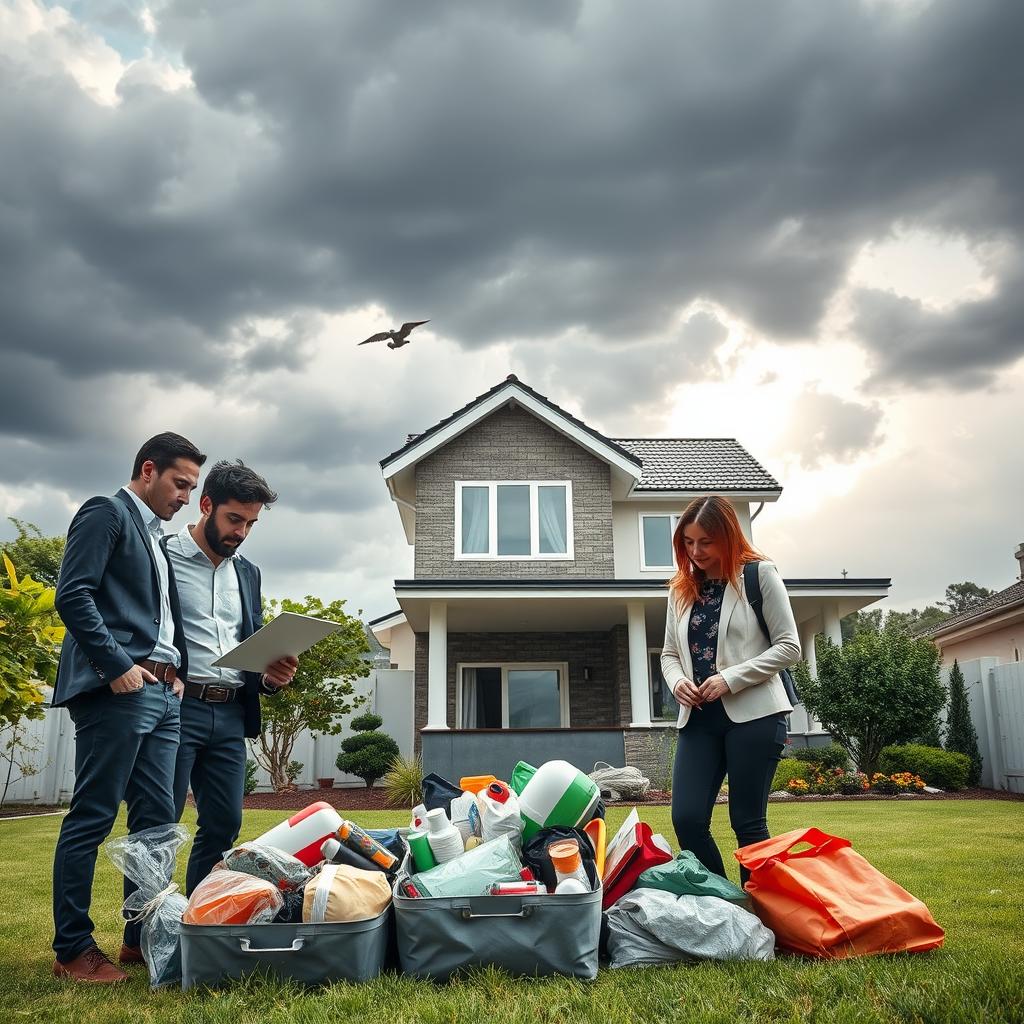
Being ready for natural disasters is vital to keep your assets and loved ones safe. It not only saves lives but also cuts down the financial loss. Having emergency coverage options is a key part of getting ready.
Creating an Emergency Plan
An emergency plan is your first defense against natural disasters. It should list evacuation routes, emergency numbers, and a meeting spot outside your home. Update this plan regularly so everyone knows their role.
- Find safe spots in your home and neighborhood.
- Do evacuation drills with your family.
- Keep important documents and emergency supplies where you can get them easily.
Assembling an Emergency Kit
An emergency kit is vital for keeping your family safe during and after a disaster. It should have water, non-perishable food, first aid, and a battery-powered radio.
| Supply | Quantity | Notes |
|---|---|---|
| Water | 1 gallon per person per day | For at least 3 days |
| Non-perishable food | 3-day supply | Include manual can opener |
| First aid kit | 1 kit per household | Include bandages, antiseptic wipes, pain relievers |
Home Mitigation Strategies
Reducing damage to your home can save on repair costs after a disaster. Simple steps like securing heavy furniture, installing storm shutters, and keeping your roof in good shape can help a lot.
- Secure outdoor furniture and decorations to prevent them from becoming projectiles.
- Trim trees and shrubs to minimize branches that could cause damage.
- Consider retrofitting your home with seismic upgrades if you live in an earthquake-prone area.
By being proactive in preparing for natural disasters, you can protect your assets and keep your loved ones safe. Remember, getting ready is the key to being resilient against natural disasters.
The Role of Federal Assistance and Programs
After a natural disaster, federal help is key. These programs offer relief and support to those hit by extreme weather, like wildfires.
FEMA and Disaster Relief
The Federal Emergency Management Agency (FEMA) is vital in disaster relief. FEMA gives financial aid to those affected by disasters, helping them get back on their feet.
“FEMA’s assistance is critical in helping communities recover from disasters. It’s not just about financial aid; it’s about providing hope and support during difficult times.” – FEMA Administrator
FEMA’s disaster relief programs include:
- Individual Assistance (IA) programs, which offer financial help for temporary housing, home repairs, and other disaster-related needs.
- Public Assistance (PA) programs, which fund infrastructure repair and debris removal for communities.
Understanding Disaster Loans
Disaster loans are a big part of federal help. These loans have low interest rates to aid individuals and businesses in recovering from disasters.
| Loan Type | Purpose | Interest Rate |
|---|---|---|
| Home Disaster Loans | Repair or replace damaged homes | 1.25% |
| Business Disaster Loans | Cover financial obligations and repair or replace damaged property | 3.75% |
Community Resources and Support
There’s more than FEMA and disaster loans. Many community resources help with disaster recovery. These include:
- Volunteer organizations that help with cleanup and rebuilding.
- Local government programs that offer extra support and resources.
Knowing about all federal assistance and community resources is key. It helps individuals and communities recover well.
The Future of Natural Disaster Insurance
The world of natural disaster insurance is changing fast. This is because extreme weather events are happening more often and getting worse. Insurance companies are now making their policies better to cover more disasters.
Emerging Trends
Insurance policies are becoming more personal. They now consider each person’s risk level. Thanks to new tech, insurers can offer better prices and coverage that fits your needs.
Climate Change Impact
Climate change is affecting the insurance world a lot. Warmer temperatures lead to more severe disasters. So, insurance companies must update their risk models and policies to stay effective.
Innovative Solutions
New types of insurance policies are being created. For example, parametric insurance pays out when a certain event happens, like strong winds or earthquakes. This way, coverage is faster and more direct.
FAQ
What is comprehensive coverage for natural disasters?
What types of natural disasters are typically covered under a standard homeowners insurance policy?
How do I assess my risk for natural disasters?
What is the difference between replacement cost and actual cash value in disaster insurance policies?
What are policy limits and deductibles in disaster insurance, and how do they affect my coverage?
Can I purchase additional coverage for specific natural disasters not covered by my standard policy?
How do I file a claim after a natural disaster?
What are some common exclusions found in natural disaster insurance policies?
How can I prepare for natural disasters before they occur?
What role does FEMA play in providing relief after natural disasters?
How is climate change impacting natural disaster insurance?
What are some innovations in natural disaster insurance policies?

About the Author: Macelo
A professional dedicated to producing informative content for the automotive and insurance sectors, focusing on consumer education and practical analysis of products and services. They develop texts covering topics ranging from vehicle maintenance and use to insurance contracts, coverage comparisons, and risk assessment, always using accessible and up-to-date language.