Get the Best Home Insurance Near You
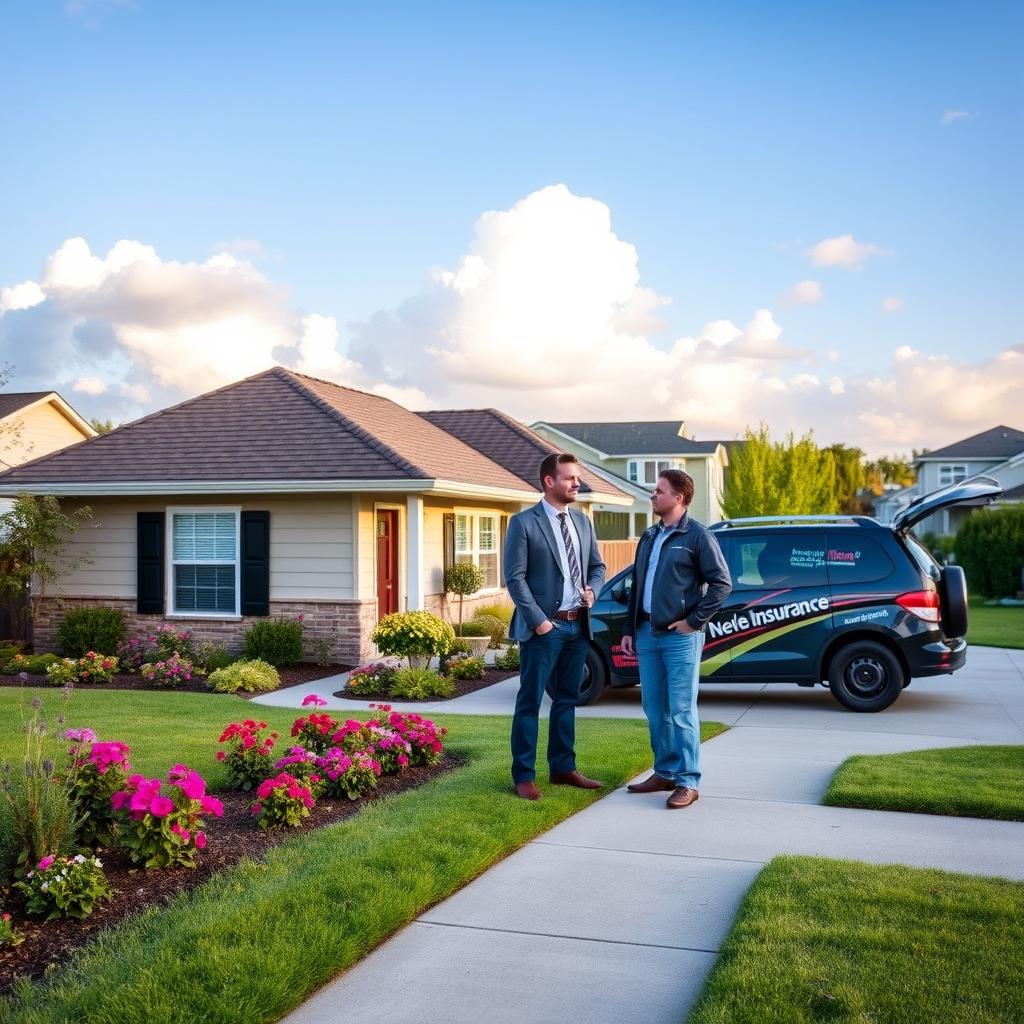
Protecting your home is fundamental, and adequate home insurance is vital. While not mandatory in some places, such as Ontario, many lenders require it as a condition for granting loans.
Finding the best local home insurance can seem difficult, but it’s crucial for your financial security. Understanding what influences home insurance prices will help you make the wisest choice.
Key findings
- Understand the importance of having home insurance.
- Learn more about the factors that affect home insurance rates .
- Discover how to find the best local home insurance.
- Check out these tips on how to protect your financial security.
- Find out why many lenders require homeowner’s insurance.
Understanding the basic principles of home insurance.
Home insurance is essential for property owners. It offers financial security against various risks, protecting your home, belongings, and other structures on your property. Furthermore, it keeps your family safe from legal problems.
What is home insurance?
Home insurance covers damage to your home and its contents. It includes coverage for the residence, personal belongings, and liability. When looking for home insurance in your area , it’s important to know what it covers.
Types of coverage explained
There are several types of coverage in a standard home insurance policy:
- Home Coverage : Covers the physical structure of your house.
- Personal Property Coverage : Protects your belongings against damage or loss.
- Cobertura de Responsabilidade Civil : Protege você contra responsabilidade legal por lesões ou danos materiais causados a terceiros.
Importância do Seguro Residencial
Home insurance is vital for financial protection. It helps you recover from unexpected events like natural disasters, theft, or accidents. By understanding the basics, you can find the right nearby home insurance providers for you.
How to Find Home Insurance Near You
Finding the right home insurance policy is easier with online tools and local agents. It’s important to use both digital resources and personal interactions to find the best policy near you.
Online Resources for Home Insurance
Online tools have changed how we find home insurance. You can now compare home insurance quotes from many providers quickly. Websites and platforms offer quotes based on your location, property type, and replacement cost.
- Comparison websites that gather quotes from top providers.
- Online insurance companies that provide direct quotes.
- Mobile apps for comparing policies on-the-go.
Using these online tools can save you time and help you find good rates for your home insurance.
Local Insurance Agents vs. Online Quotes
Online quotes are convenient, but local agents offer personalized service and advice. They can help you understand policy details and find the right coverage for you.
- Local agents give advice tailored to your situation.
- They help with complex policy details.
- Agents have connections with many insurance companies, giving you more options.
Combining online research with local agent insights can give you a full view of your home insurance options.
Assessing Coverage Needs
Understanding your coverage needs is key to finding the right home insurance. Think about your home’s value, rebuilding cost, personal belongings, and any extra coverage you might need.
- Check the replacement cost of your home and belongings.
- Think about any extra risks your home faces (like floods or earthquakes).
- Look at your policy limits and deductibles to make sure they fit your situation.
By carefully looking at your coverage needs, you can make sure you’re not under- or over-insured. This helps you get the most from your home insurance.
Factors Affecting Home Insurance Rates
Location, property values, and deductibles are key factors in home insurance rates. Homeowners often wonder why rates vary so much. It’s because insurance companies look at many factors when setting premiums.
Location and Risk Assessment
Your home’s location greatly affects your insurance rates. Places at risk for natural disasters like floods or hurricanes have higher rates. For example, coastal homes face a higher risk of hurricane damage, leading to higher costs.
Mark Johnson, an insurance expert, explains, “Location is key in risk assessment. Insurers use data and algorithms to figure out damage risk.”
Crime rates and distance to fire stations also play a part. Areas with high crime or far from fire stations see higher rates. A study found homes near fire stations have lower rates due to less fire risk.
Property Values and Coverage Levels
The value of your home and coverage levels affect your rates. More expensive homes need higher coverage, leading to higher rates. Homes with lower values might have lower rates but less coverage.
It’s important to find a balance between enough coverage and affordable rates.
“Understanding the link between property value, coverage, and rates is key. Homeowners should check their coverage regularly to avoid over- or under-insuring.”
The cost of rebuilding or repairing your home also matters. Homes with unique features or high-end finishes may cost more to repair. This increases your insurance rates.
Deductibles and Premium Costs
Deductibles, the amounts you pay before insurance kicks in, impact your rates. Higher deductibles mean lower rates but more financial risk. It’s important to pick a deductible you can afford.
- Lower deductibles mean higher premiums but less out-of-pocket expense when filing a claim.
- Higher deductibles lead to lower premiums but require more financial outlay in the event of a claim.
Jane Doe, a homeowner, found out, “By raising my deductible, I cut my premiums. But I saved enough for the deductible in case of an emergency.”
Comparing Home Insurance Providers
It’s important to compare home insurance providers to find the right policy for you. Many companies offer different coverage options. You should look at several factors when making your choice.
Top Home Insurance Companies in the U.S.
In the U.S., a few big names stand out in home insurance. State Farm, Allstate, and Geico are known for good coverage and service. But, don’t overlook Amica Mutual and USAA for their competitive rates and custom policies.
When picking a top home insurance company, think about their financial health, customer feedback, and coverage options. Also, look for affordable home insurance close by. Local providers might offer better service and understand local risks better.
Reading Policy Details Before Buying
Always read your home insurance policy carefully before buying. Know what’s covered, your coverage limits, and what’s not included. The fine print can really affect your coverage.
- Check the coverage limits and deductibles.
- Understand what is excluded from the policy.
- Review the claims process and any associated deadlines.
Customer Reviews and Ratings
Customer reviews and ratings are key to understanding an insurance company. Look for reviews on independent sites for a fair view. Focus on how they handle claims and customer service, as these are key to your experience.
By comparing home insurance providers based on their offerings, customer feedback, and policy details, you can make a smart choice. This way, you’ll find affordable home insurance close by that fits your needs.
Tailoring Your Home Insurance Policy
To get the most out of your home insurance, tailor your policy to fit your needs. Customizing your coverage ensures you’re well-protected against risks.
How to Customize Your Coverage
Customizing your home insurance means looking at your specific needs. Start by figuring out your home’s value and what’s inside. Also, think about any risks in your area.
- Assess your home’s value and contents.
- Consider additional coverage for valuable items like jewelry or art.
- Review your policy’s liability coverage to ensure it’s sufficient.
Key Considerations for Customization
| Coverage Aspect | Description | Importance Level |
|---|---|---|
| Dwelling Coverage | Covers the physical structure of your home. | High |
| Personal Property Coverage | Covers your belongings inside the home. | Medium |
| Liability Coverage | Protects you against lawsuits for bodily injury or property damage. | High |
Add-Ons and Endorsements to Consider
Add-ons and endorsements can boost your home insurance. They offer extra protection for specific risks. Common ones include flood, earthquake insurance, and coverage for high-value items.
Bundling with Auto or Other Insurance
Bundling your home insurance with auto or other policies can save money. It simplifies managing your insurance and might lower costs.
- Check with your insurer for available bundling discounts.
- Compare the total cost of bundled policies versus separate policies.
- Consider the convenience of managing multiple policies through a single insurer.
By tailoring your home insurance policy, you ensure it meets your needs. Whether through customization, add-ons, or bundling, being proactive can give you peace of mind and financial security.
The Claims Process and What to Expect

When disaster hits, knowing how to handle your home insurance claim is key. Understanding the process can make recovery easier and less stressful.
Steps to File a Home Insurance Claim
Filing a claim has several important steps. First, document the damage well. Take photos and videos and list what’s damaged or stolen. Then, contact your insurance provider quickly to report the claim.
They will help you and give you the right forms. Next, fill out a proof of loss form provided by your insurance. This form needs details about the damage. Being accurate is important for your claim.
Documentation Needed for Claims
The documents needed for a claim can differ based on the loss and insurance company. But, common ones include:
- Proof of ownership for stolen or damaged items
- Police reports for theft or vandalism
- Repair estimates from contractors
- Photos or videos of the damage
Having these ready can speed up the process. Also, keep records of all talks with your insurance company.
Timeline for Claim Resolution
The time it takes to resolve a claim varies. It depends on the claim’s complexity and the insurance company’s efficiency. Insurance companies usually acknowledge claims within 15 to 30 days.
After filing, an adjuster will assess the damage. This can take days to weeks. Once assessed, the insurance company will offer a settlement. If you accept, the money is given, and the claim is closed.
To find home insurance locally or learn about nearby home insurance providers, research and compare. Knowing their claims process helps you choose wisely.
Common Misconceptions About Home Insurance
Many people don’t fully understand home insurance. This can lead to surprises when they need to file a claim. They often don’t know what their policy covers and what it doesn’t, leading to unexpected costs.
Debunking Myths Surrounding Home Insurance
One big myth is that home insurance covers maintenance. It actually covers sudden and accidental damages, not wear and tear. For example, if a pipe bursts and damages your floor, it’s likely covered. But if the pipe was already corroded and leaked due to lack of maintenance, it might not be.
Another myth is that all natural disasters are covered. While many policies cover windstorms, floods or earthquakes might need separate policies or endorsements.
Clarifying What Home Insurance Covers
Home insurance covers four main areas. It protects your home’s structure, your personal belongings, liability for injuries or damages to others, and additional living expenses if you need to temporarily relocate due to repairs.
Knowing what your policy covers can help you make better choices. For instance, knowing your personal belongings are covered can give you peace of mind. But you should also be aware of the coverage limits for high-value items like jewelry or art.
Understanding Exclusions in Policies
It’s important to know what your policy excludes. Common exclusions include damage from termites or pests, home businesses, and certain breeds of dogs considered high-risk.
Reviewing your policy carefully and asking your insurer about any exclusions can help you avoid surprises. You might need to buy additional coverage or endorsements for specific risks.
| Exclusion | Description | Possible Solution |
|---|---|---|
| Termite Damage | Damage caused by termites or other wood-destroying insects | Purchase separate termite insurance or maintenance plans |
| Home Business | Liability and business-related damages not covered under standard home insurance | Purchase a business insurance policy or add a business endorsement |
| Dangerous Dogs | Liability for injuries caused by certain breeds considered high-risk | Consider a separate liability policy or an animal-specific endorsement |
By understanding these common misconceptions and exclusions, you can better navigate the complex world of home insurance. This way, you can ensure you have the best home insurance in my area to protect your assets.
How to Save on Home Insurance

To get affordable home insurance close by, it’s key to know how to save. Saving on home insurance means using different strategies. These can cut your premiums a lot.
Discounts You May Qualify For
Lowering your home insurance costs is easier with discounts. Many providers give discounts for bundling policies, like home and auto. Also, having security features like alarms or smoke detectors can get you discounts.
- Bundling home and auto insurance policies
- Installing home security systems
- Being a non-smoker or senior citizen
Increasing Your Deductible
Increasing your deductible can lower your premiums. But, make sure you can afford the deductible if you need to make a claim.
For example, raising your deductible from $500 to $1,000 might save you money. But, you’ll have to pay the higher deductible if you file a claim.
Home Safety Improvements that Lower Premiums
Improving your home’s safety can lower your insurance costs. Upgrades like new roofs, storm shutters, or impact-resistant windows make your home safer. This reduces the risk for insurers.
By using these strategies, homeowners can save on insurance while keeping their homes well-protected.
Understanding the Legal Requirements
It’s key for homeowners to know the legal needs for home insurance. Home insurance isn’t a must everywhere, but some situations make it necessary.
State-Specific Home Insurance Laws
Home insurance laws change a lot from state to state. For example, home insurance is not required by law in Ontario. But, laws can be different elsewhere. Homeowners need to know the laws in their area.
Mortgage Lender Insurance Requirements
Even if states don’t require home insurance, mortgage lenders might. They want to protect their investment in the property. Homeowners should check their mortgage documents.
Why Homeowners Associations May Require Insurance
Homeowners associations (HOAs) have their own rules, including insurance needs. These rules can change a lot. Homeowners should look at the HOA’s rules to see if insurance is needed.
In short, home insurance laws can be complex and change based on where you live. It’s important for homeowners to understand these laws. This ensures they follow the rules and protect their property. Looking for “home insurance near me” or talking to local experts can help clarify what’s needed.
Getting Quotes for Home Insurance

Home insurance quotes can vary a lot, so comparing them is key. When you want to find home insurance locally, knowing how to get quotes is important.
Online Quote Tools and Their Benefits
Online quote tools make comparing home insurance rates easy and fast. You just enter your details once and get quotes from many providers. This saves you time and effort. Many insurance companies have these tools on their websites, so you can compare rates from home.
Online tools help you find nearby home insurance providers with good rates. They’re a great way to start looking for home insurance.
Factors to Compare in Home Insurance Quotes
When you compare home insurance quotes, look at several things. These include the coverage level, deductible amounts, and extra features. It’s not just about the cheapest price; it’s about finding the right balance of cost and coverage.
- Coverage limits and what is included
- Deductible amounts and how they affect premiums
- Additional features or endorsements available
- Discounts you may be eligible for
Local Agents and Personal Touch
Online tools are handy, but local insurance agents offer a personal touch. They can guide you and help understand policy details. They can also customize a policy for you.
When looking for nearby home insurance providers, think about local agents. They can give you personalized service and help with home insurance complexities.
The Future of Home Insurance
The world of home insurance is changing fast. New tech and environmental shifts are leading the way. When looking for the best home insurance, knowing these changes is key.
Emerging Trends in Home Insurance
Technology is making a big impact on home insurance. Things like IoT devices and data analytics are helping to better understand risks. This leads to more customized policies that fit your needs.
Innovations and Climate Change
Climate change is also affecting home insurance. Insurers are adjusting prices and what they cover because of more natural disasters. Keeping up with these changes is important for good coverage.
As home insurance keeps evolving, it’s important to stay current. This way, you can find the best home insurance in your area. It will give you the protection and peace of mind you need.
FAQ
What is home insurance and why is it important?
How do I find the best home insurance near me?
What factors affect home insurance rates?
How can I lower my home insurance premiums?
What is the difference between coverage for the residence and coverage for its contents?
How do I file a home insurance claim?
How important are customer reviews and ratings when choosing a home insurance company?
Can I customize my home insurance policy to meet my needs?
How do state-specific homeowner’s insurance laws affect my policy?
What are the advantages of using online quote tools to compare home insurance prices?
How does climate change affect home insurance policies?
What is the role of local agents in home insurance?
How can I find affordable home insurance nearby?

About the Author: Macelo
A professional dedicated to producing informative content for the automotive and insurance sectors, focusing on consumer education and practical analysis of products and services. They develop texts covering topics ranging from vehicle maintenance and use to insurance contracts, coverage comparisons, and risk assessment, always using accessible and up-to-date language.