Find the Right Short-Term Health Plan

Finding the right health coverage can be tough, even for temporary needs. If you’re between jobs or waiting for other coverage, a short-term plan can help. It offers the protection you need right away.
Through Covered California, you can find a plan that fits your needs without a long-term deal. This is great for those who need temporary coverage. Our guide will help you understand the good and bad of these plans. This way, you can make a smart choice.
Key Takeaways
- Short-term plans offer flexible coverage for temporary needs.
- You can find a plan through Covered California without a long-term commitment.
- Understanding the benefits and limitations is key to making a good choice.
- Temporary coverage is very useful for people between jobs or waiting for other coverage.
- Our guide gives you an overview to help you choose the right option.
Understanding Short-Term Health Insurance
It’s important to know about short-term health insurance to make good choices. These plans offer temporary health coverage for a specific time. They are for people who need health insurance for a short period.
What is Short-Term Health Insurance?
Short-term health insurance gives limited coverage for up to three months. You can extend it for another month, making it four months in a year. It’s great for those between jobs, waiting for other coverage, or needing temporary insurance.
Key characteristics of short-term health insurance include:
- Temporary coverage for a limited duration
- Flexibility in plan duration, with options to extend
- Quick enrollment process, often with minimal paperwork
How Does It Differ from Traditional Plans?
Short-term health insurance is different from traditional health insurance. Traditional plans cover you for a year or more. Short-term plans are for a short time and have different rules.
They might not cover pre-existing conditions or offer the same benefits. Knowing these differences helps you choose the right insurance for you.
Benefits of Short-Term Health Insurance
Short-term medical plans are affordable and flexible. They offer temporary health insurance for those who need it for a short time.
Affordable Coverage Options
Short-term health insurance is very affordable. It’s cheaper than traditional health insurance. This makes it great for people between jobs, students, or those who can’t afford more.
For example, UnitedHealthcare’s short-term plans are very affordable. They start at just $30 a month. This is without sacrificing the quality of coverage.
Flexibility in Plan Duration
These plans are flexible in how long you can have coverage. You can choose from a few months to nearly a year. This is perfect for temporary needs.
There are many options for short-term plans. Some can be customized to fit your needs. You can choose coverage for a specific time or select deductible options.
Quick Enrollment Process
Another big plus is how fast you can enroll. Unlike traditional plans, short-term plans can be signed up for quickly. Sometimes, it’s just a few days.
This speed is key for those who need coverage fast. As a health insurance expert said, “The quick sign-up for short-term plans is a big plus. It lets people get coverage when they need it most.”
| Feature | Short-Term Health Insurance | Traditional Health Insurance |
|---|---|---|
| Affordability | Highly competitive premiums | Generally more expensive |
| Flexibility | Flexible plan durations | Limited flexibility |
| Enrollment Speed | Quick enrollment process | Lengthy application process |
Who Should Consider Short-Term Health Insurance?
Short-term health insurance is a great option for those without coverage. It’s made for people who are between health plans or need quick coverage.
Individuals between Jobs
People switching jobs can really benefit from short-term health insurance. They might not have health insurance from their new job yet. Golden Rule Insurance Company says these plans are affordable during these times.
Key benefits for individuals between jobs include:
- Immediate coverage upon application
- Flexible plan durations to suit individual needs
- Affordable premiums compared to traditional health insurance plans
Students and Recent Graduates
Students and recent graduates also find short-term health insurance helpful. They might not have health insurance after leaving their parents’ plans. These plans offer coverage during this time.
“Short-term health insurance plans can be very useful for students and young adults. They need temporary coverage between school and work or during life changes.”
Travelers and Temporary Workers
Travelers and temporary workers can also benefit from short-term health insurance. Their work or travel might take them far from home. Or, they might be between jobs. Short-term insurance gives them the coverage they need.
| Group | Typical Needs | Short-Term Health Insurance Benefits |
|---|---|---|
| Individuals between Jobs | Immediate, temporary coverage | Flexible plan durations, affordable premiums |
| Students and Recent Graduates | Coverage during transition periods | Affordable premiums, easy enrollment |
| Travelers and Temporary Workers | Coverage outside usual residence or during temporary work | Temporary coverage, flexibility |
In conclusion, short-term health insurance is a flexible option for many. It helps those between jobs, students, and travelers. It provides the temporary coverage they need.
Finding the Right Plan
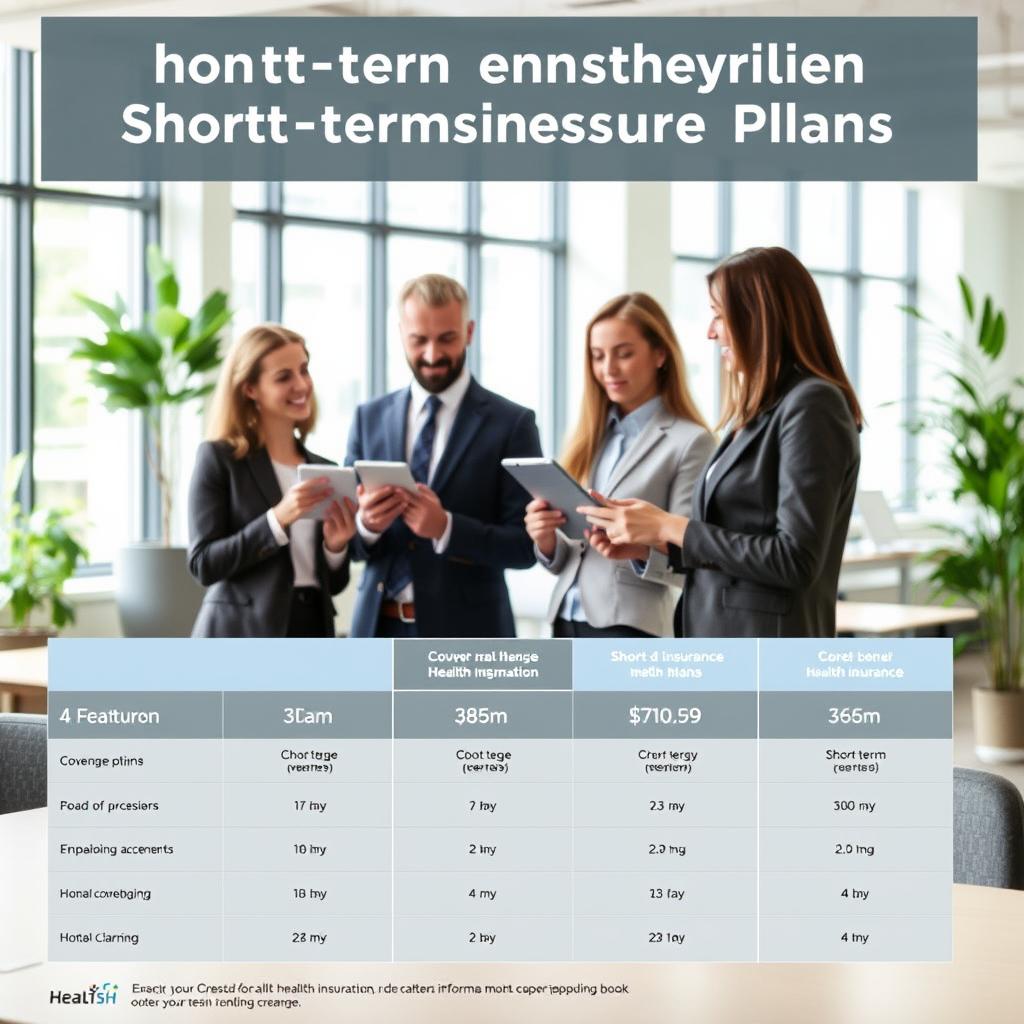
Finding the right short-term health coverage can be tough without help. It’s important to know what you need and look at your options carefully.
Key Factors to Consider
When looking at short term health insurance plans, there are key things to think about. You should look at how long the coverage lasts, what benefits it offers, and any limits or exclusions.
- Coverage Duration: Decide how long you need the insurance. Short-term plans can last from a few months to a year.
- Benefits and Coverage: Check what medical services are included, like doctor visits, hospital stays, and prescriptions.
- Pre-existing Conditions: Find out how the plan handles pre-existing conditions.
Comparing Plans and Benefits
It’s important to compare different short term health insurance plans. Look at the benefits, deductibles, and co-payments.
| Plan Features | Plan A | Plan B |
|---|---|---|
| Coverage Duration | 3 months | 6 months |
| Deductible | $500 | $1000 |
Using Online Tools for Quotes
Online tools can make getting quotes for short term health coverage easier. Websites like Healthcare.com let you compare different plans and their benefits.
By putting in your information into these tools, you can get quotes from multiple plans. This makes it simpler to pick the best one for you.
Understanding Coverage Limits and Exclusions
It’s important to know the details of short-term health insurance plans. They usually have limits and exclusions. These plans are for temporary coverage, like when you’re between jobs or waiting for other insurance to start. But, they might not cover everything.
Common Exclusions in Short-Term Plans
Short-term plans often don’t cover certain things. Here are some examples:
- Pre-existing conditions, which are health issues before the insurance starts.
- Maternity care and related services.
- Mental health and substance abuse treatment.
- Certain tests and preventive care services.
People thinking about short-term insurance should check these exclusions. It helps know what’s covered and what’s not.
Limitations on Pre-existing Conditions
Short-term plans have big limits on pre-existing conditions. They usually don’t cover costs for these conditions. This is a big problem for people with ongoing health issues.
Important things to know about pre-existing conditions include:
- What counts as a pre-existing condition can vary by insurer. It usually includes conditions diagnosed or treated before the policy starts.
- Some plans might cover pre-existing conditions after a wait, but this is rare in short-term plans.
- It’s key to understand the policy’s details on pre-existing conditions before buying.
Knowing these limits and exclusions helps people make better choices about their health insurance. It can also help avoid gaps in coverage.
The Application Process Explained

Understanding the application process for short term medical plans is key. It’s made simple to help you get coverage fast.
Steps to Apply for Coverage
Applying for short-term health insurance has a few main steps. First, compare different plans from various providers. Then, choose a plan and fill out an application form online or by phone.
You’ll need to give personal details like your name, address, and birthdate. You’ll also answer health questions. This helps the insurer figure out if you’re eligible and what your premium will be.
Required Documentation
When applying for short term medical plans, you’ll need some documents. You’ll need ID like a driver’s license or passport. You might also need to show proof of income or where you live.
The documents needed can differ by insurance provider. Always check with your chosen insurer to know what they need. Having all your documents ready can make the application smoother.
Knowing the steps and what documents you need makes applying for short-term health insurance easier. This way, you can get the coverage you need quickly.
Cost Considerations
Looking at the cost of short-term health insurance means more than just the monthly payments. It’s key to know all parts that add up to the total cost. This helps you make a smart choice.
Premium Costs vs. Out-of-Pocket Expenses
When you look at temporary health insurance, you’ll see two main costs: premiums and out-of-pocket expenses. Premium costs are the monthly fees for coverage. Out-of-pocket expenses are what you pay for medical care, like deductibles and copays.
For example, a plan with lower premiums might have higher out-of-pocket costs. It’s important to weigh these costs against your health needs. A Forbes Advisor study found some plans have lower premiums but higher deductibles.
Factors Affecting Insurance Rates
Many things can change how much temporary coverage costs. These include:
- Age: Older people usually pay more.
- Location: Healthcare costs differ by area.
- Health Status: Conditions can affect cost and coverage.
- Plan Duration: Longer plans might be cheaper.
The table below shows how different factors can change insurance rates for temporary health insurance:
| Factor | Impact on Premium | Example |
|---|---|---|
| Age | Increases with age | A 40-year-old might pay 20% more than a 30-year-old. |
| Location | Varies by region | Urban areas might have higher premiums due to higher healthcare costs. |
| Health Status | Pre-existing conditions may increase costs or limit coverage | Individuals with certain conditions might face higher premiums or exclusions. |
Knowing these factors and how they work together helps you pick a plan that’s right for you.
Short-Term Health Insurance and the Affordable Care Act
Short-term health insurance plans are different from traditional health insurance. They don’t follow the Affordable Care Act (ACA) rules. This means they offer more flexibility but also less protection.
ACA Compliance and Exemptions
Short-term health insurance plans are not bound by many ACA rules. They are made to be short-term. This means they don’t have to cover essential health benefits or protect people with pre-existing conditions.
Key Exemptions:
- No requirement to cover pre-existing conditions
- No essential health benefits mandate
- Flexibility in plan duration and coverage
Understanding the Gap Coverage
The gap between short-term health insurance and ACA-compliant plans is big. People choosing short-term plans might face coverage gaps, which is bad for those with ongoing health needs. It’s important to know about these gaps before making a choice.
| Feature | Short-Term Health Insurance | ACA-Compliant Plans |
|---|---|---|
| Pre-existing Conditions | Not Covered | Covered |
| Essential Health Benefits | Not Required | Required |
| Plan Duration | Temporary (varies by state) | Year-round |
It’s key to understand the pros and cons of short-term health insurance plans. Compare them to the full coverage of ACA-compliant plans.
Choosing between short-term health insurance and ACA-compliant plans depends on your health care needs. Knowing the differences helps you make a better choice for your health coverage.
Alternatives to Short-Term Health Insurance
Short-term health insurance gives temporary coverage. But, there are other health insurance options for lasting protection. These alternatives offer more benefits and meet different health insurance needs.
Long-Term Coverage Options
Looking for lasting health insurance? Long-term options are available. They provide more benefits, like covering pre-existing conditions and preventive care. Some even include dental and vision services.
Examples of long-term coverage include:
- Major Medical Plans: These plans offer full coverage. You can find them on the Affordable Care Act (ACA) marketplaces or directly from insurance providers.
- Employer-Sponsored Plans: Many employers offer health insurance as part of their benefits. This can be a reliable source of long-term coverage.
Government Assistance Programs
Government programs are also good alternatives to short-term health insurance. They help low-income individuals and families or those with specific health needs.
| Program | Description | Eligibility |
|---|---|---|
| Medicaid | A joint federal and state program that provides health coverage to low-income individuals and families. | Varies by state; generally based on income level. |
| Children’s Health Insurance Program (CHIP) | Provides health coverage to eligible children in low-income families. | Based on family income and size. |
These government programs offer full health coverage. Often, they have little to no cost for those who qualify. This makes them great alternatives to short-term health insurance.
Customer Reviews and Satisfaction

Customer reviews are very important when looking at health insurance for short periods. How happy customers are can really help you decide on a provider.
Evaluating Provider Ratings
It’s key to look at more than just the overall rating. Check the number of reviews and what people say. Websites like Healthcare.com offer great insights into what customers think.
Key factors to consider when evaluating provider ratings include:
- Overall customer satisfaction ratings
- Claims processing efficiency
- Customer support responsiveness
- Coverage options and flexibility
Importance of Customer Support
Good customer support is a must for any health insurance plan. It can greatly improve your experience, like when you need to file a claim or have questions.
Effective customer support can give you peace of mind and solve problems fast. When picking a short-term health insurance provider, look at their customer support quality.
| Provider | Customer Rating | Claims Processing Time |
|---|---|---|
| Provider A | 4.5/5 | 3-5 days |
| Provider B | 4.2/5 | 5-7 days |
| Provider C | 4.8/5 | 2-3 days |
Looking at customer reviews and satisfaction can help you choose the right short-term health insurance provider. Make sure to check provider ratings and customer support to find a plan that fits your needs.
Frequently Asked Questions
Thinking about short-term health insurance? It’s key to know the most asked questions to pick the best option. These plans offer temporary coverage, but many have doubts about how they work.
Common Concerns About Short-Term Health Plans
Many worry if short-term health insurance covers enough. Short-term medical plans aim to fill gaps, like when you’re between jobs or waiting for other coverage.
People often ask, “What does a short-term health plan cover?” and “How long can I stay covered?” Coverage varies by plan, but usually includes doctor visits and hospital stays. Coverage can last from a few months to almost a year, depending on the plan and state rules.
Clarifying Misconceptions
Some think short-term health insurance is a full-time solution. But, temporary health insurance options are meant for short-term needs, not long-term. They offer a safety net during emergencies but can’t replace major medical insurance.
Another myth is that short-term plans aren’t regulated. But, they are, and state rules can differ a lot. Knowing these rules and how they affect your coverage is important.
By tackling these common worries and myths, you can make better choices about your health insurance. Whether looking at short-term plans or other options, being informed is essential for the right decision for you.
Conclusion: Making the Right Choice
Choosing the right short-term health insurance plan is important. You need to think about what you need and your situation. Look at the coverage, how long it lasts, and the cost.
Key Considerations
Short-term health care plans are good for temporary needs. Think about the premium, what you’ll pay out-of-pocket, and what’s covered. Knowing these helps you make a smart choice.
Assessing Personal Needs
It’s key to understand your health care needs. Think about any health issues you have, ongoing medical needs, and the risks of the plan you choose.
By looking at your personal needs and understanding short-term health insurance, you can make a good choice. Covered California and others say it’s important to think about your needs when picking a plan.
FAQ
What is short-term health insurance?
How does short-term health insurance differ from traditional health insurance?
Who is eligible for short-term health insurance?
What are the benefits of short-term health insurance?
What are the limitations of short-term health insurance?
How do I find the right short-term health insurance plan?
Can I renew my short-term health insurance plan?
Are short-term health insurance plans compliant with the ACA?
What are the alternatives to short-term health insurance?
How do I evaluate customer reviews and satisfaction for short-term health insurance providers?
What are the cost considerations for short-term health insurance?
Can I purchase short-term health insurance if I have a pre-existing condition?

About the Author: Macelo
A professional dedicated to producing informative content for the automotive and insurance sectors, focusing on consumer education and practical analysis of products and services. They develop texts covering topics ranging from vehicle maintenance and use to insurance contracts, coverage comparisons, and risk assessment, always using accessible and up-to-date language.