Unlock Renter’s Insurance Discounts: Tips to Cut Costs

Living in the United States can be expensive, but you don’t have to spend a lot on housing protection. Many tenants miss out on ways to lower their monthly costs. By finding renter’s insurance discounts, you can save money while staying protected.
Proactive research is key to getting the best rates on your policy. By spending a few minutes to compare and ask about discounts, you can save a lot. This guide will show you how to find these renter’s insurance discounts to save money.
Key Takeaways
- Lowering your monthly premiums significantly improves your annual household budget.
- Proactive research is the most reliable way to find the best policy rates.
- Many providers offer hidden price breaks that tenants often fail to request.
- Comparing multiple quotes helps you identify the most competitive market pricing.
- Small adjustments to your coverage can lead to immediate financial relief.
Understanding Renter’s Insurance and Its Importance
Knowing about insurance is key for renters in the U.S. Many think their place is safe without extra protection. But, unexpected events can cause big financial losses. Getting affordable renters insurance helps protect your lifestyle and assets.
What is Renter’s Insurance?
Renter’s insurance protects your personal stuff from harm. It covers things like fire, theft, and water damage. By getting a policy, you create a safety net to replace your belongings if they get lost or damaged.
These policies also have liability coverage. This is important if someone gets hurt at your place or if you accidentally damage something. You can find out more about getting affordable insurance that meets your needs.
Benefits of Having Coverage
Having a policy gives you peace of mind. It’s hard to put a price on. Whether you’re a student, young professional, or a family, affordable renters insurance prevents financial disaster from one accident. The main benefits are:
- Replacement cost coverage for things like electronics, furniture, and clothes.
- Liability protection against lawsuits and medical bills.
- Additional living expenses if your home is not safe to live in after a covered loss.
Common Misconceptions About Renter’s Insurance
Many think a landlord’s insurance covers their stuff. But, it only protects the building, not what’s inside. Relying on this is risky for your belongings.
Some also believe insurance is too pricey. But, affordable renters insurance is out there and often cheaper than a streaming service. Knowing the truth helps you make smart choices for your future and finances.
Types of Renter’s Insurance Discounts
Many renters don’t know about the ways to cut their premiums. By learning about renter’s insurance discounts, you can save money. This way, you keep your stuff safe without breaking the bank.
Standard Discounts Offered by Insurers
Big insurance companies give discounts for good behavior. For example, not filing claims can lower your rates. Not smoking also helps, as it cuts down fire risks.
Special Discounts for Bundling Policies
Getting your renter’s and auto insurance from the same company can save a lot. This combo often gives you big renter’s insurance discounts. It’s easier on your wallet and streamlines your bills.
Discounts Based on Security Measures
Insurance companies like it when you make your place safer. Installing things like deadbolts or security systems can cut your costs. These renter’s insurance discounts show your home is safer and cheaper to live in.
It’s wise to check which discounts you qualify for. Always talk to your agent about renter’s insurance discounts when you review your policy. This way, you make sure you’re getting all the savings you can.
Factors Impacting Renter’s Insurance Rates
Many tenants are surprised by how much their living situation affects their insurance costs. Insurance providers look at different risk factors to set your monthly premium. This is why it’s smart to look for low-cost renter’s insurance options. Knowing these factors helps you manage your budget and find the best apartment insurance rates for you.
Location and Its Influence on Pricing
Your location is a big factor in how insurers calculate your risk. Places prone to natural disasters like hurricanes or floods have higher premiums. Also, cities with more crime tend to have higher costs than quiet suburbs.
“Insurance is a mechanism for managing risk, and where you live is one of the most significant indicators of that risk profile.”
The Role of Personal Property Value
The value of your belongings affects your coverage limits. If you have expensive items, you’ll need higher coverage, which raises your premium. It’s important to make a detailed inventory to avoid overpaying and still find low-cost renter’s insurance options.
Here’s a table to show how different factors affect your premium:
| Factor | Impact on Premium | Risk Level |
|---|---|---|
| High Crime Area | Increase | High |
| High Deductible | Decrease | Low |
| High Property Value | Increase | High |
| Safety Features | Decrease | Low |
Deductibles: How They Affect Your Premiums
Your deductible is the amount you pay before insurance covers a claim. Choosing a higher deductible can lower your monthly payments. This shows insurers you’re willing to take on more responsibility, leading to more low-cost renter’s insurance options.
But, make sure you can afford that deductible in an emergency. It’s important to balance your monthly budget with your emergency savings.
How to Qualify for Renter’s Insurance Discounts
Getting better rates often means showing you’re less risky. By making smart choices, you can get renter’s insurance discounts that cut your costs. These steps save your money and give you peace of mind about your stuff.
Taking Inventory of Your Belongings
Listing your belongings is a smart move. It helps you understand what you really need to cover. Accurate documentation can lead to more precise pricing, helping you get discounts.
“An ounce of prevention is worth a pound of cure, especially when it comes to protecting your most valuable assets.”
Maintaining a Good Credit Score
Your credit score tells insurers a lot about you. A good score means you’re likely to be a responsible policyholder. By managing your finances well, you can get lower rates and better policy terms.
Completing a Safety Course
Showing you care about safety can also lower your costs. Many insurers offer discounts for tenants who take safety courses. These courses show you’re proactive about avoiding risks. Learning more about safety proves you’re a low-risk tenant.
Bundling Policies for Increased Savings
Many tenants miss out on big savings by not bundling their insurance. By getting all your policies from one provider, you can save on rental insurance and make your budget easier to manage. This method helps cut down your premium costs without losing any protection quality.
Combining Renter’s and Auto Insurance
Pairing your renter’s policy with your auto insurance is a top way to save. Most big insurance companies in the U.S. give a multi-policy discount for bundling. This lets you save on rental insurance by showing loyalty to your insurance company.
Managing all your policies through one place saves time. You get one bill, making it easier to keep track of payments and avoid late fees. This is a big plus for busy renters who want solid coverage without hassle.
Benefits of Bundling with Life Insurance
Adding life insurance to your bundle can lead to even bigger discounts. Insurers see customers with multiple policies as less risky, which means better prices for all your coverage. It’s a smart way to save on rental insurance and also protect your family’s future.
Life insurance adds a strong safety net for your property, vehicle, and long-term goals. Many providers offer a bundled rate that’s much lower than buying each policy separately. Check out the table below to see how different bundles can save you money.
| Bundle Combination | Primary Benefit | Estimated Savings |
|---|---|---|
| Renter’s + Auto | High Convenience | 10% – 15% |
| Renter’s + Life | Long-term Security | 5% – 10% |
| Renter’s + Auto + Life | Maximum Discount | 15% – 25% |
Discounts for Security Features
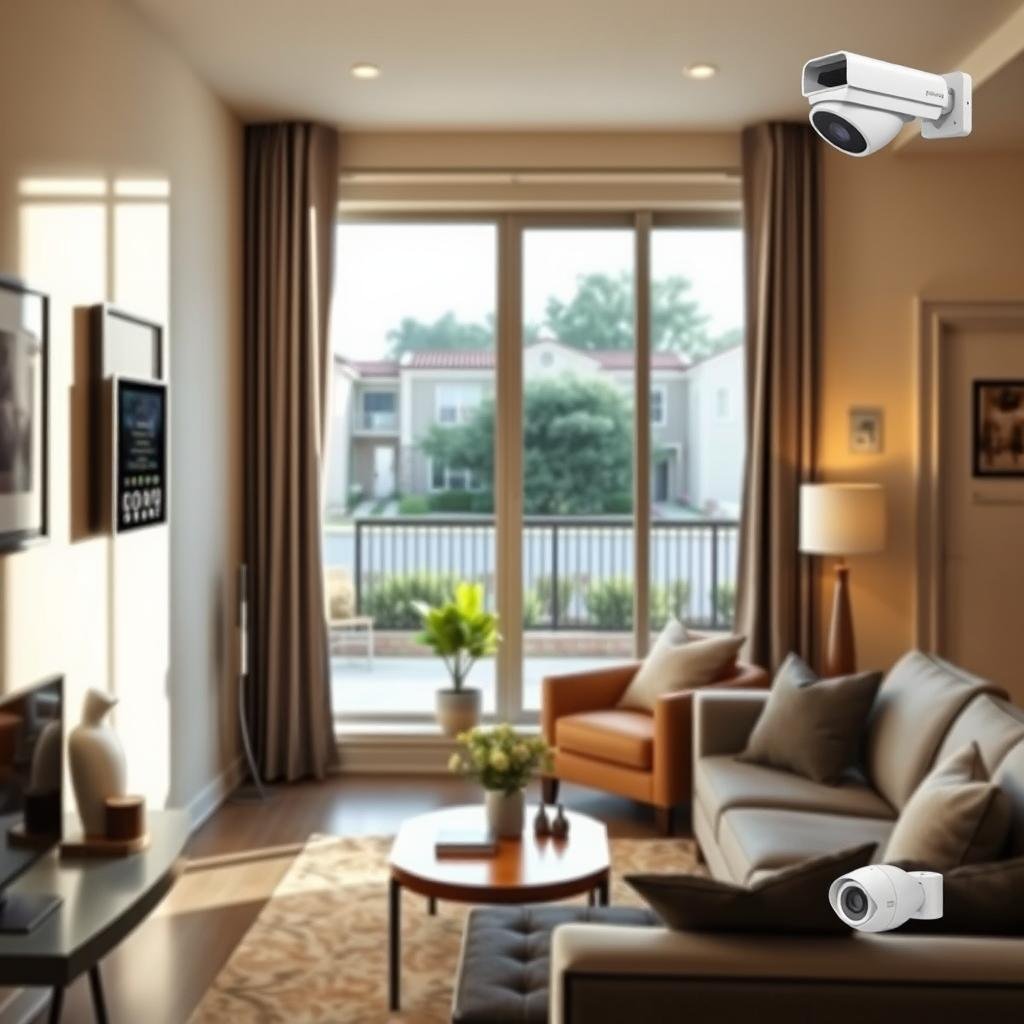
Adding safety features to your home can help you get discounted renter’s coverage. Insurance companies see homes with extra security as less risky. This means you might pay less for your insurance.
By adding safety measures, you show you care about protecting your home. Insurers often give lower rates to those who take safety seriously.
Utilizing Smart Home Technology
Smart home tech has changed how we keep our homes safe. Connected security cameras let you watch your place from your phone. Insurers see these as good ways to stop burglaries.
Water leak sensors are also getting popular. They catch plumbing problems early, preventing big damage claims. Keeping your claims history clean helps you keep your discounted renter’s coverage for longer.
Installing Security Systems and Deadbolts
Old-school security is still key. Installing good deadbolts on doors is a simple but highly effective way to keep intruders out. Most insurers need these locks to cover your home.
Don’t forget about fire safety. Working smoke detectors and a fire extinguisher in the kitchen can cut your premium. These are essential investments that save lives and money.
Loyalty Discounts for Long-Term Customers
Staying with your insurance provider for a long time can save you a lot of money. Many companies give special deals to customers who stick with them. This means you might get low-cost renter’s insurance options that others don’t know about.
Understanding How Loyalty Programs Work
Insurance loyalty programs reward you for being consistent. Each year you renew, you might get lower rates or special credits. These programs are a way for companies to say thank you and keep you from switching.
Some insurers give discounts after you’ve been with them for a certain number of years. For example, after three or five years. Always check your policy or talk to your agent to see if you qualify. Using these programs can help you keep low-cost renter’s insurance options for years.
The Advantages of Staying with One Insurer
Staying with one insurer has many benefits. You get a consistent agent who knows you and your needs. This ensures your policy fits your life perfectly, even as things change.
Not having to switch companies saves you time and hassle. You also become a reliable customer, which can help during claims. Here’s a comparison of being a new customer versus a long-term one.
| Benefit Category | New Customer | Long-Term Customer |
|---|---|---|
| Premium Pricing | Standard Market Rates | Loyalty-Discounted Rates |
| Agent Familiarity | Initial Assessment | Deep History Knowledge |
| Policy Flexibility | Standard Options | Customized Coverage Perks |
| Renewal Process | Standard Review | Streamlined Loyalty Rewards |
Comparing Insurance Quotes for the Best Deals
Finding the best renters insurance deals means doing your homework. Many renters settle for the first quote they get without looking further. By exploring different options, you can find coverage that fits your budget and needs.
The Importance of Shopping Around
Insurance companies have their own ways of figuring out how much to charge. This means two similar apartments can get very different quotes. Shopping around helps you find the best rates for your place and stuff.
When you compare quotes, you learn a lot about the market. You might find a company that offers more for less. Here are the main perks of comparing quotes:
- Significant cost savings on your annual premiums.
- Access to a wider range of policy features and add-ons.
- Better insight into the financial stability of different insurers.
Using Online Comparison Tools Effectively
Today’s tech makes finding the best renters insurance deals easier. Online tools let you get quotes from several top companies at once. This saves you from visiting each website separately.
To get the most from these tools, have your property details ready. This includes your estimated property value and any security features. Give accurate info to get a precise quote. Then, compare the offers to find the best renters insurance deals for you.
How to Discuss Discounts with Your Insurer
Many renters miss out on saving money by not talking to their insurer. You don’t have to stick with your current rate. Talking to your provider can help you get the best renters insurance deals and build a better relationship with them.

Preparing for Your Renewal or New Policy
Before you talk to your agent, get your documents ready. If you’ve installed new deadbolts, a fire alarm, or a security system, collect the receipts and certificates. These upgrades can lower your rates right away.
Also, think about any big changes in your life. Maybe you’ve moved to a safer area or your credit score has improved a lot. Being prepared with this info helps your agent find discounts for you.
“The most successful policyholders are those who treat their insurance relationship as a partnership rather than a one-way transaction.”
Questions to Ask Your Insurance Agent
When you talk to your agent, ask questions and be clear. Ask if there are new discounts or programs you can get. Also, ask about saving money by bundling your policies.
Here are some questions to ask for the best renters insurance deals:
- Are there discounts for long-term customers?
- Does my current security setup qualify for a discount?
- Can I adjust my deductibles to lower my monthly payment?
- Do you offer discounts for groups or professional associations?
By asking these questions, you show you’re an informed customer. This can make your agent look harder for ways to save you money.
The Role of Insurance Agents in Securing Discounts
Many renters don’t realize how much value an insurance agent can add to their financial planning. Online tools are easy to use, but they can’t match the personal touch needed to find all discounts. Working with a professional can help you save on rental insurance by using their knowledge.
How Agents Can Help You Save
Insurance agents are your advocate in the complex world of policies. They know about discounts that aren’t listed online. By tailoring a policy to your needs, they make sure you’re not overpaying for coverage.
A good agent will look at your lifestyle and property to suggest ways to lower your premiums. They can also combine your renter’s policy with other insurance to get you discounts. This way, you save on rental insurance without risking your financial security.
Finding a Knowledgeable Insurance Agent
When looking for an agent, choose ones who are open about how they make money and how to save you money. A good agent will answer your questions clearly and explain your policy details. Look for agents who see themselves as partners in your financial health, not just salespeople.
Ask potential agents about their experience with local rentals and their access to carrier discounts. A knowledgeable agent will always prioritize your needs, ensuring you’re protected while keeping costs low.
| Feature | DIY Online Shopping | Agent-Assisted |
|---|---|---|
| Discount Discovery | Limited to public offers | Access to exclusive programs |
| Policy Customization | Standardized templates | Tailored to specific needs |
| Advocacy | None | Strong personal support |
| Time Investment | High | Low |
Seasonal Discounts and Promotions
Did you know that the best deals on insurance often come at certain times of the year? Many think insurance rates never change, but they do. By keeping an eye out, you can find discounted renter’s coverage when it’s cheapest.
Timing Your Insurance Purchase for Savings
Insurance companies often run special deals to get new customers. These deals usually happen during busy moving times, like late spring or early fall. If you’re moving, picking the right time to buy can save you a lot of money.
Keep an eye on insurance websites and newsletters for special offers. You can also compare policies and rates during these times. Setting a reminder to look for deals a few weeks before your lease ends is a smart move for anyone watching their budget.
Understanding Seasonal Trends in Pricing
Insurance companies change their prices to meet their growth goals. In slow months, they might offer discounts to get more customers. Knowing this can help you buy at the best time for discounted renter’s coverage without losing coverage.
Seeing insurance as a product that changes with demand can make you a smarter shopper. By recognizing these patterns, you become more than just a buyer. You become a savvy consumer. The table below shows how different seasons can affect your chances of finding deals.
| Season | Market Activity | Potential for Savings |
|---|---|---|
| Spring | High (Moving Season) | Moderate (Promotional Bundles) |
| Summer | Peak (High Demand) | Low (Standard Pricing) |
| Autumn | Moderate | High (End-of-Year Incentives) |
| Winter | Low | High (New Year Promotions) |
Claim History and Its Impact on Discounts
Many renters don’t realize how their claim history affects their low-cost renter’s insurance options. Insurance companies see your history as a key indicator of future risk. If you’ve filed many claims, you might be seen as a higher risk. This can lead to higher premiums or even losing access to certain discounts.
How Past Claims Affect Future Premiums
Insurance companies use special algorithms to guess your future losses. If you’ve filed many claims, they think you’re more likely to file again. This can make it hard to find competitive rates, as companies might not offer discounts to those seen as high-risk.
Having no claims is a sign of reliability to your insurance company. Avoiding small claims shows you’re a responsible policyholder. This can earn you loyalty rewards and keep your access to low-cost renter’s insurance options open.
Tips for Reducing Your Claim Frequency
To keep your insurance costs down, manage your risk well. Focus on preventative maintenance to avoid accidents. For example, check your plumbing for leaks or make sure your smoke detectors work.
Also, handle small repairs yourself instead of filing a claim. Claiming for small issues can lead to higher premiums over time. Here’s a table to show how claim frequency affects your finances with insurers.
| Claim Frequency | Risk Level | Discount Eligibility | Impact on Rates |
|---|---|---|---|
| Zero Claims | Low | High | Best Available Rates |
| One Claim | Moderate | Limited | Standard Pricing |
| Multiple Claims | High | None | Increased Premiums |
Legal Requirements and Renter’s Insurance
State laws rarely require renter’s insurance, but your lease might be different. Most landlords want proof of coverage to protect their property. Finding low-cost renter’s insurance options often means understanding your lease and state laws.
Understanding State Regulations
In the U.S., insurance laws vary by state, not by federal law. This means rules on policy forms, rates, and consumer rights differ a lot. State insurance commissioners check these to make sure companies are fair and solvent.
Where you live affects the low-cost renter’s insurance options available. Some states have strict rules on how insurers set rates. This can lead to more stable prices. Other states might allow more flexibility, affecting discounts.
How Laws Influence Discounts and Prices
Local laws control what discounts insurers can offer. For example, some places limit using credit scores to set premiums. These laws directly affect how much you pay for your policy.
Looking for low-cost renter’s insurance options means understanding your premium. It reflects both market competition and state-approved rates. Insurers must get approval for discounts from the state. Knowing this helps when negotiating your coverage.
| Factor | State Regulation | Landlord Requirement |
|---|---|---|
| Mandatory Status | Rarely required by law | Commonly required by lease |
| Pricing Control | High (State oversight) | None (Market-driven) |
| Discount Approval | Required by regulators | Not applicable |
| Primary Goal | Consumer protection | Liability mitigation |
Knowing these legal details helps you find the best deals. Always check your local state laws to get all the low-cost renter’s insurance options you can.
Tips for Maintaining Affordable Coverage
Getting a low rate is just the beginning. You need to keep your policy in check to maintain affordable renters insurance. This ensures long-term financial protection.
Regularly Reviewing Your Policy
Life changes can affect your insurance needs. It’s wise to review your policy at least once a year. This ensures your coverage fits your current lifestyle.
Companies like State Farm or Geico make this easy with digital portals. They help you stay on top of your policy.
Adjusting Coverage Limits Appropriately
Your belongings’ value changes over time. You might have too much coverage for what you own. Lowering limits can cut your premiums.
Always talk to your agent when you move or buy new things. This keeps your coverage right for you. It prevents paying for coverage you don’t need.
FAQ
What is the most effective way to lower my monthly premiums?
Does my landlord’s insurance policy cover my personal belongings?
How can bundling multiple policies help me save?
Can my choice of deductible impact my insurance rates?
Will installing smart home technology lead to discounted renter’s coverage?
Does my credit score influence the cost of my renter’s insurance?
How does my location affect the pricing of my policy?
Are there benefits to staying with the same insurance company for several years?
Why is it important to take a detailed inventory of my belongings?
How can an insurance agent help me find the best renters insurance deals?
Do seasonal promotions actually exist for renter’s insurance?
How do past claims affect my ability to get a discount?
Is renter’s insurance a legal requirement in every state?
How often should I review my renter’s insurance policy?

About the Author: Macelo
A professional dedicated to producing informative content for the automotive and insurance sectors, focusing on consumer education and practical analysis of products and services. They develop texts covering topics ranging from vehicle maintenance and use to insurance contracts, coverage comparisons, and risk assessment, always using accessible and up-to-date language.