Motorcycle Insurance Coverage Details: What You Need to Know

Riding a bike across the open roads of the United States offers a sense of freedom that few other experiences can match. However, this excitement comes with the vital responsibility of protecting your financial future. Understanding your policy is the first step toward becoming a prepared and safe rider.
Many riders overlook the specific components of their protection plans until an accident occurs. By learning the essential motorcycle insurance coverage details, you gain the power to make informed decisions about your assets. This knowledge ensures that you are not just legally compliant, but truly secure against unexpected road hazards.
Taking the time to review your policy helps you avoid gaps in protection. Whether you are a daily commuter or a weekend enthusiast, being proactive about your financial safety is a hallmark of responsible ownership. Let us explore how these various elements work together to keep you protected on every journey.
Key Takeaways
- Assess your financial risk before selecting a policy.
- Understand the difference between liability and comprehensive protection.
- Review your policy annually to account for life changes.
- Prioritize high-quality protection to avoid out-of-pocket costs.
- Consult with experts to clarify complex policy language.
Understanding Motorcycle Insurance Basics
Protecting your two-wheeled investment begins with knowing the basics of insurance. Many riders see it as just a must-have, but it’s really a financial safety net for your assets. Getting the right motorcycle insurance policy information is key to making smart choices before a road incident happens.
What Is Motorcycle Insurance?
Simply put, it’s a deal between you and an insurance company. It covers damages to your bike, medical costs for injuries, and legal issues from riding. By doing your homework to find cheap motorcycle insurance, you make sure your policy fits your riding style.
Why Is Motorcycle Insurance Important?
The main reason for having insurance is to manage risks. Without enough coverage, you could face huge costs after an accident, like property damage or medical bills for others. Keeping an eye on your policy ensures it keeps up with your riding habits.
Insurance gives you peace of mind while riding. It turns big financial worries into smaller ones, letting you enjoy the ride more. Getting the right plan is crucial for any responsible motorcycle owner.
Types of Motorcycle Insurance Coverage
Understanding motorcycle insurance coverage options is key. Each rider faces different risks. Picking the right policy is crucial for your financial safety.
Exploring motorcycle insurance coverage types helps you find the right fit. This ensures you and your bike are safe from unexpected events.
Liability Coverage
Liability insurance is a must-have. It covers costs if you’re at fault in an accident. This includes injuries to others and property damage.
This coverage has two parts: bodily injury and property damage liability. Without it, you could face huge bills or repair costs yourself.
Collision Coverage
Collision coverage protects your bike from damage. It pays for repairs or replacement if you crash, no matter who’s at fault.
This is crucial for newer or expensive bikes. Getting this coverage means your bike is safe.
Comprehensive Coverage
Comprehensive coverage guards against non-collision damage. It covers theft, fire, vandalism, and natural disasters.
“Insurance is not just a legal requirement; it is a fundamental tool for managing the inherent risks of the open road.”
Uninsured/Underinsured Motorist Coverage
Many drivers don’t have enough insurance. This coverage helps if you’re hit by someone with little insurance.
Coverage Type Primary Benefit Best For Liability Covers others’ costs All riders Collision Repairs your bike Newer motorcycles Comprehensive Theft and fire protection All motorcycles Uninsured Protects against others High-traffic areas Choosing the right motorcycle insurance coverage types is about balancing risk and finances. Always check your motorcycle insurance coverage options each year to keep up with your life changes.
Factors Influencing Insurance Premiums
When you look at motorcycle insurance coverage explained, you see that your premium isn’t random. Insurance companies use data models to figure out your risk level. Knowing these factors helps you manage your costs better.
Rider Experience and Safety Record
Your history greatly affects your rates. Experienced riders with clean records get better prices. But, a history of accidents or tickets means higher risks and costs.
“Insurance is fundamentally about the management of risk, and your past behavior is the most reliable indicator of your future performance on the road.”
Type of Motorcycle
The bike you ride greatly affects your premium. Fast sportbikes cost more to insure because they’re riskier. Cruisers or touring bikes are cheaper because they’re less likely to be in accidents.
Here’s how different bikes change your insurance risk:
| Bike Category | Risk Level | Premium Impact |
|---|---|---|
| Sportbike | High | Increased |
| Cruiser | Low | Decreased |
| Touring | Moderate | Neutral |
| Custom/Modified | High | Increased |
Geographic Location
Where you live and store your bike affects your insurance. Cities with lots of traffic and theft cost more. Weather and long riding seasons also change local rates.
Getting your motorcycle insurance coverage explained by a pro can help. You can’t change where you live or your bike, but a clean record helps keep costs down.
State Requirements for Motorcycle Insurance
Understanding motorcycle insurance laws is key. Rules vary by state. It’s crucial to know your state’s laws to avoid fines or losing your license.
Minimum Coverage Laws
Most states require a basic liability insurance. This covers damages or injuries you might cause. Not having enough can lead to big penalties.
Each state has its own rules. Check with your local DMV to see what’s needed. Some states require more than just basic liability. Always aim to meet these legal requirements to protect your money.
Additional Coverage Recommendations
State minimums might not be enough for big accidents. Experts say to get more to protect your stuff. Comprehensive and collision insurance can give you more peace of mind.
Think about your bike’s value and how much risk you’re okay with. Adding extra coverage, like medical payments or custom parts insurance, can save you money. Getting good coverage is a wise choice for any rider.
How to Choose the Right Coverage
Choosing the right insurance for your motorcycle is important. You need to know how you ride. A detailed motorcycle insurance coverage breakdown helps you see what you need. Whether you ride daily or just on weekends, your policy should match your riding style.
Assessing Your Riding Needs
Think about how often and where you ride before picking a policy. If you travel far, you might need more liability and roadside help. If you’re wondering what motorcycle insurance should I get, think about your bike’s value and how much risk you can handle.
Safety is key. Make sure your policy covers medical costs if you’re in an accident. If your bike has expensive parts, standard policies might not be enough. Always choose coverage that fits your riding risks.
Comparing Insurance Providers
After figuring out what you need, shop around for the best deal. You can find affordable motorcycle insurance near you by getting quotes from different companies. This way, you can see which offers the best value.
Don’t just look at the price. Check how each company handles claims and their customer service. A motorcycle insurance coverage breakdown from each will show you what’s included in their standard packages.
Reading Policy Details
Always read the fine print before signing. Many riders miss exclusions that could leave them without protection. Make sure your policy doesn’t have any surprises.
Pay attention to deductibles and coverage limits. Knowing these details can save you from surprises if something happens. Taking the time to review these now will give you peace of mind for every ride.
Popular Motorcycle Insurance Providers in the U.S.
Many big insurance companies serve the U.S. market. Each has its own strengths for motorcycle fans. It’s key to pick the right one based on their reputation, financial health, and what they offer for riders.
Knowing the differences helps you find the best match for your riding style and budget. Whether you’re looking for low costs or great customer service, here are some top names in the field.
Progressive
Progressive is a top name in motorcycle insurance. They have special coverage for many types of bikes, including custom and vintage ones.
Many choose them for their deep knowledge in handling motorcycle claims. Their online tools also make managing your policy easy and flexible.
Geico
Geico is known for low prices and easy-to-use online services. They’re great for riders who want simple, straightforward insurance.
Their app lets you quickly access your policy and proof of insurance. This is a big plus for those who like to manage their insurance online.
Allstate
Allstate is known for comprehensive coverage that can be combined with other insurance. They offer protection for custom parts and more.
Riders like the personal advice from local agents. This personal touch is very helpful when dealing with policy details or state laws.
State Farm
State Farm is praised for personal service through its many local agents. They aim to build lasting relationships with their customers, offering a more personalized insurance experience.
Customers appreciate the stability and reliability of a well-known brand. Their approach is perfect for those who prefer personal interaction and expert advice when choosing coverage.
Discounts and Savings on Motorcycle Insurance
Many riders miss out on easy ways to cut their insurance costs. Knowing the motorcycle insurance coverage benefits can save a lot each year. By taking action, you can save money without losing coverage quality.
Multi-Policy Discounts
One smart way to save is by combining policies. If you have auto or homeowners insurance, adding your bike can lead to big discounts. This makes your life easier and boosts your motorcycle insurance coverage benefits.
Safe Rider Discounts
Insurance companies give discounts for safe riding. A clean driving record can lower your rates. Taking a motorcycle safety course also shows you’re serious about safety, which can cut your premium right away.
“The best way to ensure you are getting the most value is to regularly review your policy and ask your agent about every available discount.”
Loyalty Programs
Choosing to stay with one insurance company for years can save you money. Many offer rewards or lower deductibles for loyal customers. You can find the best motorcycle insurance companies that value long-term customers through these programs.
| Discount Type | Potential Savings | Requirement |
|---|---|---|
| Multi-Policy | 10% – 25% | Bundle with Auto/Home |
| Safe Rider | 5% – 15% | Clean Record/Safety Course |
| Loyalty | 5% – 10% | Multi-year Tenure |
To make the most of these motorcycle insurance coverage benefits, do some research and talk to your provider. Always ask about new discounts when your policy is up for renewal. This way, you won’t miss out on savings.
Understanding Motorcycle Insurance Policies
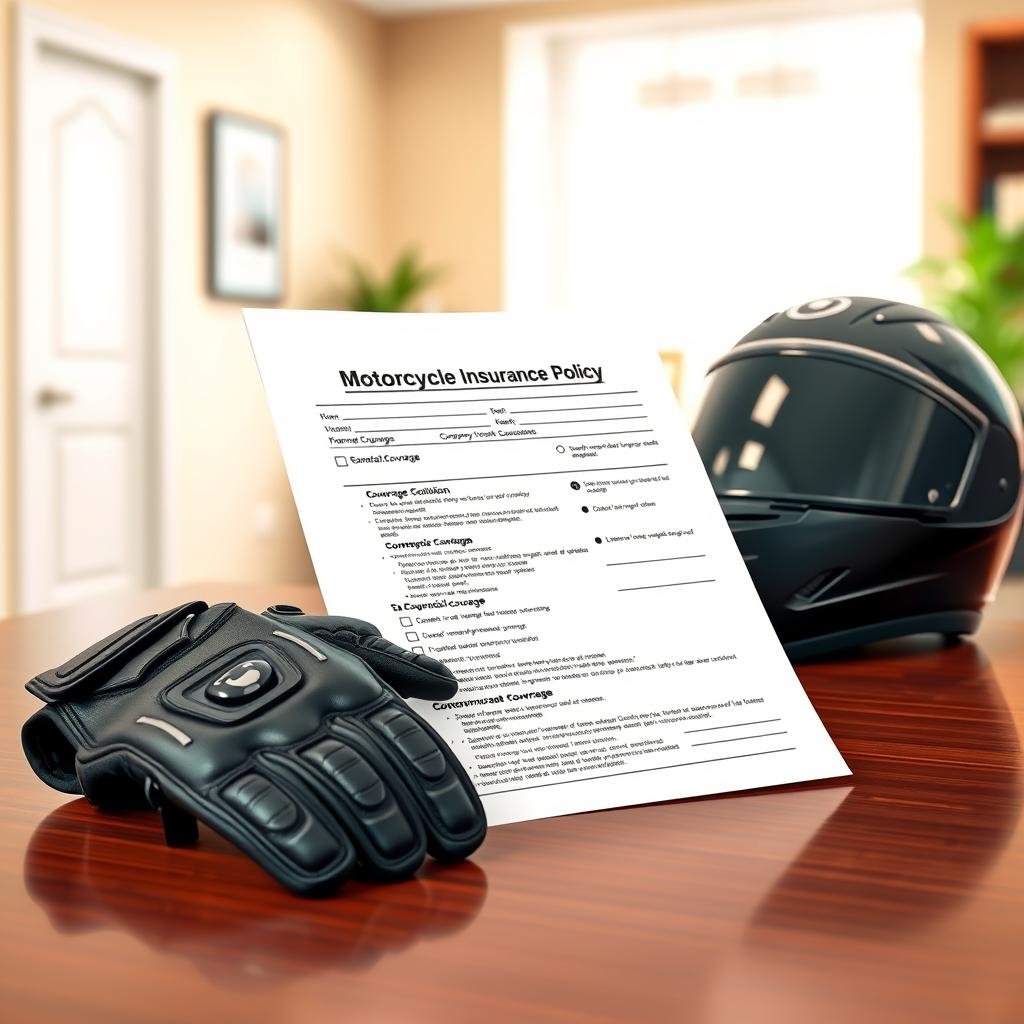
Every rider needs to understand their motorcycle insurance policy information. It might seem like a lot of legal terms, but it’s crucial. It tells you what your insurance covers. Reading your policy carefully helps you avoid surprises.
Policy Limits Explained
Your motorcycle insurance coverage limits show the most your insurance will pay for a loss. If a claim is more than these limits, you’ll have to pay the difference. It’s important to pick limits that match your financial situation and how much risk you can handle.
Choosing higher motorcycle insurance coverage levels means more peace of mind but costs more. The state minimum might save money but could leave you with big bills. Think about your finances before you decide.
Deductibles: What to Know
A deductible is the amount you pay before your insurance kicks in. It’s a big part of your policy because it affects how much you pay each month. Knowing this helps you manage your budget better.
When picking your deductible, consider these:
- Lower deductibles mean higher monthly costs but less money out of pocket for claims.
- Higher deductibles save you money each month but mean more to pay if you have an accident.
- Finding the right balance depends on your emergency savings and how often you ride.
Your policy is a safety net for your bike. By looking at your limits and deductibles, you can find a policy that fits your life and budget.
Claims Process for Motorcycle Insurance
Knowing what to do right after an accident is key. Whether it’s a small crash or a bike theft, your motorcycle insurance coverage levels matter a lot. They help you get the support you need during tough times.
Steps to File a Claim
Your safety and others’ is the first thing to think about. After you’re safe, take clear photos of any damage. This includes your bike and the area around it.
Then, call the police to file a report. This report is very important for your insurance. After getting the report, tell your insurance company right away to start the claim.
Be ready to give your policy number and a full story of what happened. Keep all your talks with the insurance company in one place. This helps you stay on top of things.
What to Expect During the Claims Process
After you file your claim, an adjuster will contact you. They’ll look at the accident and check your bike for damage. It’s important to be open and honest with them.
The adjuster will then compare the damage to your motorcycle insurance coverage levels. They’ll decide what you can get back. You might get a repair estimate or asked to find your own quotes.
Finally, the insurance will pay you based on your policy and any deductibles. How long it takes can vary. But, keeping in touch with your adjuster helps move things along faster.
The Role of Coverage Adjustments
Life is full of surprises that can affect your motorcycle insurance coverage benefits. Your policy should grow with you, not stay the same. If you don’t update it, you could face big financial risks if you get into an accident.
Managing your policy well means you pay for what you need and not more. It also means you’re covered when you really need it. By working closely with your insurance company, you get the most out of your money.
When to Update Your Coverage
Experts say to check your policy every year or after big life events. An annual review helps make sure your coverage matches your budget and bike’s value. Consistency is key for peace of mind while riding.
Talk to your agent before making big changes to your bike or how you ride. Even small changes can affect your risk level and what coverage you qualify for. Keeping your agent in the loop helps avoid gaps in your protection.
Factors That Prompt Reassessment
Some events are clear signs it’s time to talk to your insurance company. These moments help keep your coverage balanced between cost and security. Here are some key factors to watch for:
- Significant Life Changes: Moving, getting married, or changing your main home can change your rates.
- Motorcycle Modifications: Adding custom parts or upgrades might need extra coverage.
- Changes in Usage: Switching from daily to weekend riding might change your rates or policy type.
- Riding Record Improvements: Taking a safety course or keeping a clean record can lead to discounts.
Your motorcycle insurance coverage benefits are there to protect your stuff and future. By keeping an eye on these changes, your policy stays a solid safety net. Regular reassessment is the best way to keep your coverage both effective and affordable.
Motorcycle Insurance for Custom Bikes
Customizing your motorcycle adds a personal touch. But, it also means you need special insurance. A stock bike is easy to insure, but a custom bike is different. Protecting your hard work means knowing how your upgrades affect your insurance.
Coverage Options for Modified Motorcycles
Standard policies cover bikes as they are. But, if you add special parts, they might not be covered. Look for motorcycle insurance coverage options that include “custom parts and equipment” (CPE) coverage.
This extra coverage protects your custom parts. Without it, you might only get the value of a basic bike. You’d have to pay for your custom parts yourself.
Valuation of Custom Parts and Accessories
Getting your bike valued right is key. Keep records of all your upgrades. This includes receipts, photos, and appraisals. It helps your insurer know the true replacement value of your bike.
When picking your motorcycle insurance coverage options, tell the insurer about your accessories. Many insurers offer different coverage levels. This lets you choose a limit that matches your investment. Here’s a table showing the difference between standard and custom coverage.
| Feature | Standard Policy | Customized Policy |
|---|---|---|
| Aftermarket Parts | Limited or No Coverage | Full Replacement Value |
| Custom Paint/Body | Not Included | Included in CPE |
| Documentation | Not Required | Required for Claims |
| Premium Cost | Lower | Higher |
Managing your motorcycle insurance coverage options wisely keeps your custom bike valuable. Always check your policy when you add new parts.
The Impact of Riding History on Insurance
Every time you ride your motorcycle, you build a record that affects your insurance costs. Insurance companies look at your past to judge your risk on the road. They use this history to guess how likely you are to make a claim.
How Accidents Affect Future Premiums
Accidents or traffic tickets can make you a higher risk. Insurance companies might raise your premiums because of this. In some cases, a bad history can limit your motorcycle insurance coverage limits.
Frequent claims hurt your standing with insurers. If you’ve had many incidents, you might find fewer options for full coverage. Remember, your past choices affect your policy options.
The Importance of a Clean Riding Record
Keeping a clean record is key to affordable insurance. Riders who avoid accidents and tickets get lower rates and better options. This shows insurers you’re a safe rider who values safety.
Safe habits mean you can get the best motorcycle insurance coverage limits. A clean record gives you more power when negotiating or switching policies. Safe riding is an investment in your financial future and peace of mind.
Common Myths About Motorcycle Insurance
Getting the right protection starts with debunking common myths. Many riders rely on hearsay, not facts. This can leave them without the financial safety they need. A professional can help explain your motorcycle insurance coverage and avoid these pitfalls.
Debunking Popular Misconceptions
One myth is that red motorcycles cost more to insure. But, insurance companies look at make, model, engine size, and your riding history, not the bike’s color. Another myth is that “full coverage” is a standard term.
Actually, “full coverage” means a mix of liability, collision, and comprehensive protection. It’s tailored to your needs. Using vague terms can leave you dangerously underinsured if you’re in an accident.
Understanding Reality vs. Fiction
Many riders think their standard policy covers all custom parts and accessories. But, most basic plans only cover the bike as it came from the factory. If you’ve added custom paint or upgrades, you might need additional endorsements to protect them.
Another myth is that your insurance always covers you if you lend your bike. While some policies offer limited coverage for others, it’s not always the case. Always check your policy to see how motorcycle insurance coverage explained applies to others. Making informed decisions based on facts keeps you safe on every ride.
Special Considerations for Vintage Motorcycles
Classic bikes are a piece of history that need special insurance. They often increase in value or hold sentimental worth. Standard insurance might not cover these unique bikes well.
Insuring a vintage bike means thinking about the risks of old tech and hard-to-find parts. Many find that regular insurance doesn’t understand the value of these bikes. A specialized provider can offer the right coverage for your investment.
Insurance Needs for Classic Bikes
The main goal is to make sure the policy covers the full cost of fixing or replacing the bike. Standard policies might not cover enough in case of a total loss. Specialized collector policies are made to keep up with the rising value of vintage bikes.
These policies offer flexible usage limits and spare part coverage. Since vintage bikes are often stored in garages, they might cost less to insure. It’s important to document your bike’s condition to ensure your coverage is correct.
“A classic motorcycle is not merely a mode of transportation; it is a rolling piece of art that requires a dedicated approach to preservation and protection.”
Market Value and Coverage Options
Knowing how your insurer values your bike is key. Most policies use Actual Cash Value (ACV), which can be much lower than the bike’s market value. This is not good for a well-restored vintage bike.
Look for Agreed-Value Coverage instead. This lets you and your insurer agree on the bike’s value at the start. If a loss happens, you get that agreed value without depreciation. This gives you peace of mind, knowing your investment is safe.
| Coverage Type | Valuation Method | Best For |
|---|---|---|
| Standard Policy | Actual Cash Value | Modern Daily Riders |
| Collector Policy | Agreed-Value | Vintage & Rare Bikes |
| Custom Policy | Stated Amount | Modified Classics |
FAQs About Motorcycle Insurance Coverage
Understanding protection can be tough, but clear answers help a lot. If you’re looking for details on motorcycle insurance coverage, you’re in the right spot. We’ve got the most common questions to keep you informed and confident on the road.
Common Questions Answered
Many riders wonder if their policy covers passengers. Usually, you need to add guest passenger liability to your policy. This ensures your friends are protected while riding with you. Without it, you could be personally responsible for their medical bills if there’s an accident.
Another big concern is riding in different states. Generally, your policy will adjust to meet the state’s minimum requirements. Still, it’s wise to check your motorcycle insurance coverage details before a long trip. This way, you’ll know you’re well-protected.
Resources and Additional Information
For more in-depth information, there are great resources out there. The National Association of Insurance Commissioners (NAIC) offers tools for comparing companies and understanding state laws. You can also visit your state’s Department of Insurance website for local advice.
Talking to a licensed insurance agent is the best way to customize a policy for you. They can explain the details of your motorcycle insurance coverage and find any gaps in your current plan. Always keep your policy documents handy for quick reference during your riding season.
Final Thoughts on Motorcycle Insurance Coverage
Protecting your investment is more than just buying a policy. A detailed motorcycle insurance coverage breakdown is key. It keeps you financially safe while riding across the United States.
Essential Takeaways for Every Rider
Reliable protection prepares you for unexpected events on the highway. Knowing your specific needs helps avoid gaps in your financial safety. Companies like Progressive or Geico offer tools to check your current protection levels.
Maintaining Your Protection Over Time
Life changes often mean you need different insurance. Review your policy at least once a year to match your current lifestyle. A regular motorcycle insurance coverage breakdown keeps your limits up to date as your riding habits change.
Proactive riders enjoy their time on the road with more peace of mind. Take a moment today to check your policy details. Confirm your coverage is strong. Staying informed is the best way to protect your passion for motorcycling.
FAQ
What is the primary purpose of motorcycle insurance for riders in the United States?
Can you provide a motorcycle insurance coverage breakdown of the most common policy types?
Where can I find the most accurate motorcycle insurance policy information for my specific bike?
What are the main motorcycle insurance coverage options for owners of custom or modified bikes?
How do motorcycle insurance coverage limits differ from state to state?
What are the primary motorcycle insurance coverage benefits of maintaining a clean riding record?
Can you provide a motorcycle insurance coverage explained summary regarding deductibles?
What factors most significantly impact the cost of motorcycle insurance premiums?
Are there specific motorcycle insurance coverage levels recommended for vintage or classic bikes?
How often should I review and update my motorcycle insurance coverage details?

About the Author: Macelo
A professional dedicated to producing informative content for the automotive and insurance sectors, focusing on consumer education and practical analysis of products and services. They develop texts covering topics ranging from vehicle maintenance and use to insurance contracts, coverage comparisons, and risk assessment, always using accessible and up-to-date language.