Pet Insurance Policy Details: What You Need to Know

Bringing a new pet home is incredibly joyful. But, it also means big financial responsibilities. Veterinary care costs keep going up for dogs, cats, and even exotic pets in the U.S.
It’s crucial to know about pet insurance policy details to avoid big medical bills. Being well-informed helps you choose the right coverage with confidence.
Proactive planning means your pet gets top care without breaking the bank. Learning about these plans helps you feel ready for any health issue.
Key Takeaways
- Veterinary costs are rising, making financial planning vital for animal owners.
- Reviewing coverage terms helps you avoid surprise expenses during medical crises.
- Informed consumers select plans that best fit their specific animal’s health needs.
- Understanding exclusions is just as important as knowing what your plan covers.
- Proper research leads to better long-term care outcomes for your companions.
Understanding Pet Insurance: An Overview
Keeping your pet safe means knowing about veterinary financial tools. Pet insurance is a reimbursement-based model to help with vet bills. You pay the vet first, then claim back from the insurance.
What is Pet Insurance?
Pet insurance is a deal between you and an insurance company. It covers some vet costs, like human health insurance but for pets. By finding the best pet insurance, you can lower your costs.
This pet insurance benefits overview shows how it gives peace of mind. Most plans let you see any vet, specialist, or emergency clinic. This means your pet gets the care they need without being tied to one place.
Importance of Pet Insurance
Pet insurance is a financial safety net. Vet care has improved a lot, but it’s still pricey. Without insurance, a big vet bill could be hard to handle.
With insurance, you can focus on your pet’s health without worrying about costs. It lets you choose treatments and meds that might be too expensive otherwise. This is key for a long, healthy life for your pet.
Types of Coverage Available
When looking at pet insurance coverage options, know the different types. Plans range from basic accident coverage to full wellness packages. Knowing this helps you pick the right plan for your budget and pet’s health needs.
| Plan Type | Primary Focus | Best For |
|---|---|---|
| Accident-Only | Injuries and emergencies | Budget-conscious owners |
| Comprehensive | Illnesses and accidents | Full health protection |
| Wellness Add-on | Routine preventive care | Annual check-ups |
Key Components of a Pet Insurance Policy
Understanding the pet insurance cost breakdown is crucial. Knowing how your policy works helps protect your pet and your wallet.
Premiums: What You Pay
The premium is the amount you pay each month or year. It keeps your policy active. Consistency is key to avoid losing coverage.
Deductibles: Understanding Your Costs
A deductible is the amount you pay before insurance kicks in. You can choose between annual or per-incident deductibles. A higher deductible can lower your monthly premium, helping with your pet insurance cost breakdown.
Planning for your pet’s health is as important as planning for yours. Knowing your deductible and premium helps you prepare for the unexpected. This way, you can ensure your pet gets the best care without breaking the bank.
Benefit Limits: How Much Coverage You Get
Benefit limits show the maximum an insurance company will pay for treatments. Some offer unlimited payouts, while others cap it. It’s crucial to check these limits to match them with your pet’s potential health costs.
| Component | Description | Impact on Budget |
|---|---|---|
| Premium | Monthly/Annual fee | Fixed recurring cost |
| Deductible | Initial out-of-pocket | Variable based on plan |
| Benefit Limit | Maximum payout | Determines total protection |
By balancing premiums, deductibles, and benefit limits, you can find a pet insurance cost breakdown that works for you. Always check your policy to understand how these elements work together during claims.
Common Exclusions in Pet Insurance Policies
It’s key to read the fine print of your policy to know what’s covered. Knowing pet insurance exclusions clarified helps you plan better for your pet’s health. This way, you can avoid surprise costs.
Pre-existing Conditions
Most policies don’t cover health issues that existed before you got the policy. Unfortunately, these are often not covered. If your pet had a chronic illness before, you’ll have to pay for treatments yourself.
Breed-Specific Issues
Some policies might not cover certain health problems in certain breeds. Even with modern plans, there might be a waiting period for these issues. Make sure your policy covers your pet’s breed.
Routine Care and Wellness
Basic plans usually don’t cover regular care like check-ups and vaccinations. If you want these services, you might need a wellness add-on.
| Exclusion Category | Typical Coverage Status | Policyholder Responsibility |
|---|---|---|
| Pre-existing Conditions | Excluded | Full payment for treatment |
| Routine Wellness | Excluded (unless added) | Out-of-pocket or wellness plan |
| Cosmetic Procedures | Excluded | Full payment for elective care |
| Breeding Costs | Excluded | Full payment for services |
Understanding pet insurance exclusions helps you plan better for your pet’s health. Always check your policy to know what’s covered.
Different Types of Pet Insurance Plans
Understanding the different types of pet insurance is key to making a good choice for your pet. Every pet has unique health needs. So, providers offer various pet insurance coverage options to meet your financial situation and peace of mind.
Accident-Only Policies
Accident-only policies are a budget-friendly option. They cover unexpected injuries like broken bones or swallowing foreign objects. It is important to note they don’t cover illnesses or chronic conditions. They offer a limited but useful safety net.
Comprehensive Coverage Plans
Comprehensive plans are the best value for most owners. They cover both accidents and illnesses. This includes costs for cancer treatments, hereditary conditions, and diagnostic tests. When you protect your pet with top-rated pet insurance, you get a wider range of pet insurance coverage options. This helps manage the high costs of vet care.
Wellness Plans
Wellness plans help with routine health costs, not emergencies. They cover things like annual exams, vaccinations, and flea prevention. By choosing these plans, you can budget more effectively for your pet’s health all year.
The right choice depends on your pet’s age, breed, and your risk tolerance. Carefully reviewing these pet insurance coverage options will help you create a strong health plan for your pet.
How to Choose the Right Pet Insurance Plan
Finding the right policy is more than just looking at the cost. Every pet is different, so you need to choose coverage that fits your pet’s needs.
Assessing Your Pet’s Needs
Start by thinking about your pet’s unique needs. Look at their breed, age, and health status. These factors help determine the right coverage for your pet.
- Breed-specific risks: Some breeds have hereditary conditions that need special care.
- Age considerations: Older pets have different health needs than younger ones.
- Lifestyle factors: An active dog faces different risks than a calm indoor cat.
Comparing Providers and Plans
Comparing pet insurance plans is key to finding good value. Don’t just take the first quote. Look at reimbursement rates and deductibles from different companies.
“The best insurance policy is one that provides peace of mind when you need it most, rather than just the lowest premium.”
When comparing pet insurance plans, see if they offer direct payment to vets. This can help avoid big expenses during emergencies.
Reading the Fine Print
Always read the pet insurance fine print before signing. This part of the contract has important details about waiting periods, exclusions, and coverage limits. These can affect your claims.
Make sure you understand how the company defines pre-existing conditions. Knowing the pet insurance fine print helps avoid surprises with denied claims. Being careful now can save you from stress and money problems later.
Factors Influencing Pet Insurance Premiums
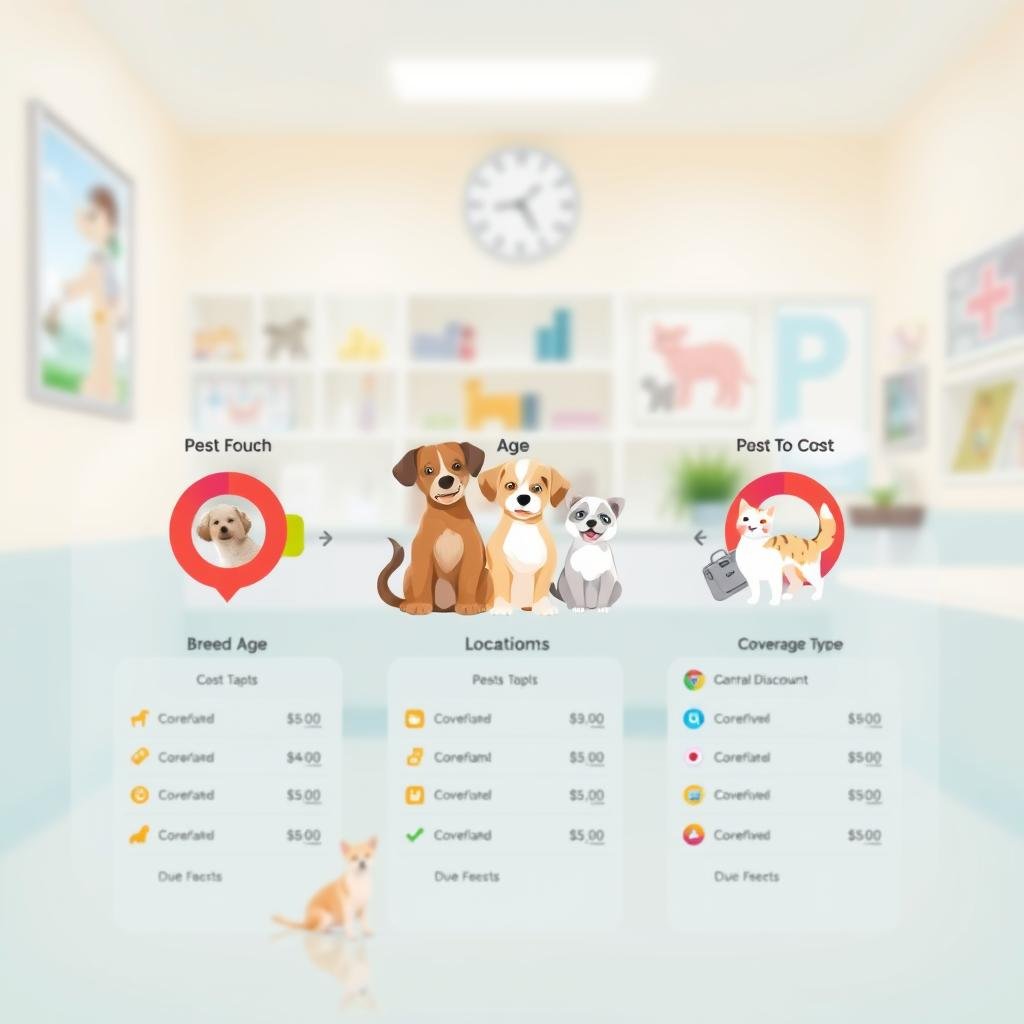
A clear pet insurance cost breakdown helps you understand monthly premiums. Insurance companies look at certain data to decide if they can cover your pet. Knowing these factors helps you choose the right financial protection for your pet.
Age and Breed of Your Pet
The age of your pet is a big factor in your monthly rate. As pets get older, they face more health problems. So, premiums usually go up as pets get older.
Breed also affects your pet insurance cost breakdown. Some breeds are more likely to have certain health issues. Insurance companies consider these risks when setting your monthly rate.
Location and Veterinary Costs
Where you live affects your policy cost. Veterinary care costs differ across the U.S., based on local living costs. Living in a big city usually means higher costs than in a small town.
Insurance companies check the average vet costs in your area. This makes sure your coverage matches local costs. Here are some things that affect costs:
- Local demand for vet services.
- The average cost of vet tests in your state.
- How close emergency vet hospitals are.
Coverage Options and Add-Ons
You can control your premium by changing your policy. Picking a higher deductible or lower reimbursement can lower your bill. But, adding extra coverage for things like wellness or dental care will increase it.
| Adjustment | Impact on Premium | Coverage Level |
|---|---|---|
| Higher Deductible | Decreases | Lower |
| Lower Reimbursement | Decreases | Basic |
| Adding Wellness Plan | Increases | Comprehensive |
Understanding a pet insurance cost breakdown helps you balance your budget and your pet’s health needs. Reviewing these factors each year keeps your plan affordable and effective for your situation.
Claims Process: What to Expect
Managing your pet insurance claim process well means getting the most back after a vet visit. Every company has its own way, but the main steps are the same. Knowing these steps helps you avoid mistakes and get your money faster.
Submitting a Claim
You can usually file claims online or through a mobile app. You’ll need to upload your vet’s invoice and medical notes. Digital submission is highly recommended because it’s quick and keeps your papers safe.
If your vet is tech-savvy, they might file the claim for you. Check with them to see if they offer this service. It can save you a lot of time and effort.
Claim Approval Timeline
After you send in your documents, the insurance company checks them against your policy. Most aim to process claims in 5 to 14 business days. But, if it’s a complex case, it might take longer.
“Transparency in the claims process is the hallmark of a reliable insurance provider, ensuring pet owners feel supported during stressful medical events.”
Tips for Successful Claims
To get the best pet insurance reimbursement rates, be accurate. Make sure the invoice clearly shows the diagnosis, treatment, and costs. Missing details is the main reason for delays or partial denials.
Here are some tips to keep your account in good shape:
- Keep organized records: Keep a digital folder of all vet visits and vaccinations.
- Submit promptly: Don’t wait too long to file; some policies have deadlines.
- Review your policy: Know what’s covered before you go to the vet to avoid surprises.
By being proactive with your documents, you protect your money. Paying attention to details helps you keep high pet insurance reimbursement rates throughout your policy.
Tips for Saving on Pet Insurance
Keeping your pet healthy doesn’t have to cost a lot. By using smart financial strategies, you can get great coverage without spending too much. It’s all about finding ways to cut down on costs.
Bundling with Other Insurance Policies
Many big insurance companies give multi-policy discounts if you have more than one policy. If you already have home, renters, or auto insurance, check if they offer pet health plans. Getting these services together can save you a good chunk of money on your premium.
This makes managing your finances easier by combining your bills under one roof. It’s a smart way to cut down on monthly costs without sacrificing your pet’s medical care.
Annual Payment vs. Monthly Payment
Most insurance companies give a discount if you pay your premium all at once. Choosing to pay annually instead of monthly can save you a lot over the year. They often don’t charge fees for upfront payments.
While paying upfront requires more money upfront, the savings over time are worth it. Always ask your provider about discounts for annual payments before you sign up.
Shopping Around for Discounts
The pet insurance market is very competitive, which is good for you. Always compare quotes from different companies to find the best rate. Many insurers offer seasonal promotions or discounts for new customers.
Look out for special deals during holidays or certain times of the year. Some employers also offer pet insurance as a benefit, which can get you exclusive group rates not available to everyone.
| Strategy | Primary Benefit | Ease of Implementation |
|---|---|---|
| Bundling Policies | Multi-policy discount | High |
| Annual Payments | Waived processing fees | Medium |
| Employer Benefits | Exclusive group rates | Medium |
| Comparing Quotes | Market-best pricing | High |
Frequently Asked Questions (FAQs) about Pet Insurance
Understanding pet health coverage can be tough for many owners. We aim to clear up common questions. This way, you can make a confident choice for your pet’s health needs.

What does pet insurance cover?
Most policies cover unexpected accidents and illnesses. This includes tests, surgeries, meds, and emergency visits.
But, routine care like exams and shots is usually not covered. You might need a wellness add-on for that. Always check your policy to know what’s included.
| Coverage Type | Accidents | Illnesses | Routine Care |
|---|---|---|---|
| Accident-Only | Yes | No | No |
| Comprehensive | Yes | Yes | Optional |
| Wellness Plan | No | No | Yes |
Can I switch pet insurance providers?
Yes, you can switch providers anytime. But, be cautious about the change. Moving to a new company might mean your pet’s past health issues are seen as pre-existing conditions.
This could mean the new company won’t cover those health problems. Before switching, make sure the new policy offers the right protection for your pet.
Is pet insurance worth it?
Whether pet insurance is worth it depends on your finances and your peace of mind. Many find the monthly cost is less than the cost of a big surgery or chronic illness.
“Pet insurance acts as a financial safety net, allowing owners to make medical decisions based on what is best for their pet’s health rather than the size of their bank account.”
Having insurance means you can focus on your pet’s recovery without worrying about costs. It helps you provide the best care when they need it most.
Understanding Policy Terms and Conditions
Many pet owners overlook the pet insurance fine print. But knowing your policy terms is key to stress-free claims. The marketing might seem simple, but the contract is the legal basis for your coverage. Reviewing these documents helps avoid confusion when you need financial help most.
Key Terms Defined
To understand your pet insurance policy details, learn industry-specific terms. A waiting period is the time after enrollment when coverage isn’t active. Co-insurance is the percentage of the vet bill you pay after the deductible.
An annual deductible is the fixed amount you pay before insurance kicks in. Knowing these helps predict your costs in emergencies.
| Term | Definition | Impact on Cost |
|---|---|---|
| Waiting Period | Initial hold on coverage | None (Time-based) |
| Co-insurance | Your share of the bill | Higher % means lower premium |
| Annual Deductible | Yearly out-of-pocket cost | Higher deductible lowers monthly rate |
Policy Amendments and Updates
Your pet’s needs change as they grow. Most providers let you adjust your coverage. It’s important to review your plan yearly to match your pet’s health.
Notify your insurer of big changes, like moving or switching vets. Keeping your info up-to-date helps avoid claim delays or denials.
How to Use Your Policy Effectively
To use your insurance well, keep good records. Always ask for itemized invoices from your vet. Use your insurer’s digital portals to track benefits and deductibles.
If the pet insurance fine print is confusing, call your provider’s customer service. Knowing your coverage before a vet visit gives you peace of mind and prepares you for unexpected costs.
The Role of Veterinary Care in Pet Insurance
A strong relationship with your vet is key to a good pet insurance experience. Insurance gives you financial security, but your vet provides the medical know-how. Collaborating closely with your vet ensures your pet gets the best care and your policy works as it should.
Choosing the Right Veterinarian
Finding a licensed and reputable vet is crucial for your pet’s health. Look for a clinic that keeps detailed and accurate medical records. These records are vital for insurance claims. A good vet knows how important clear diagnosis codes and detailed notes are.
When picking a clinic, think about their ease of access and help with insurance paperwork. Some clinics are better at handling digital submissions for insurance providers. This can save you a lot of time when dealing with health issues.
Importance of Regular Check-Ups
Regular wellness visits are more than just health checks. They help catch health problems early. If your vet finds a condition during a check-up, it helps prove it wasn’t there before your policy started.
Regular visits also create a health history for your pet. This history is important if your pet gets a chronic illness later. Insurance companies use these records to check your pet’s health history and any diagnosed conditions.
Coordinating with Your Insurance Provider
Working well with your vet and insurance company is crucial for quick claims approval. Make sure your vet has your current policy details. Many clinics can send claims directly to your insurer, saving you money and time.
If your vet can’t send claims directly, you’ll need to ask for detailed invoices. These should clearly list the diagnosis, treatment, and costs. Keeping these records organized digitally will make filing claims easier.
| Documentation Type | Purpose | Frequency |
|---|---|---|
| Annual Wellness Exam | Establishes health baseline | Once per year |
| Vaccination Records | Prevents common illnesses | As scheduled |
| Itemized Invoices | Required for claim reimbursement | Per visit |
| Diagnostic Reports | Supports complex medical claims | As needed |
Real-Life Case Studies: Pet Insurance in Action
Looking at real-life examples shows how pet insurance helps with vet bills. The financial help from a good plan is undeniably clear. Many owners say having insurance changes how they make medical decisions for their pets.
Case Study 1: Emergency Care
Max, a golden retriever, swallowed something he shouldn’t have and needed surgery. The bill was $4,500, a huge expense. But thanks to his insurance, Max’s owner got 80% of the costs back after the deductible.
This let the family focus on Max’s recovery without worrying about money. You can learn more about whether is pet insurance worth it by looking at these emergency cases.
Case Study 2: Chronic Conditions
Dealing with chronic conditions like diabetes or arthritis can lead to ongoing vet bills. One cat owner spent $300 a month on insulin and monitoring. Over three years, the insurance helped a lot with these costs.
Without insurance, the owner might have had to make tough choices about care. Insurance makes it easier to manage long-term health costs for pets.
Case Study 3: Routine Care Benefits
Wellness plans cover things like annual check-ups and flea prevention. These costs are lower than emergencies but can add up, especially for families with multiple pets. Looking for affordable pet health insurance plans can help with these costs.
“The true value of insurance is not just in the big emergencies, but in the peace of mind that comes from knowing you can always provide the best care for your companion.”
| Scenario | Average Cost | Insurance Impact |
|---|---|---|
| Emergency Surgery | $4,000 – $6,000 | High Financial Relief |
| Chronic Management | $200 – $500/mo | Long-term Sustainability |
| Routine Wellness | $300 – $600/yr | Budget Predictability |
Future Trends in Pet Insurance
The world of animal healthcare is changing fast. New technology is changing how we talk to vets. Now, people want more from their pet insurance than just help for accidents or illnesses.
Telemedicine and Virtual Care
Now, you can talk to vets online from home. Companies like Trupanion and Lemonade are adding this to their plans. It makes vet visits less stressful for pets and gets you help faster.
Customizable Plans
Insurance companies are moving to plans that fit your pet’s needs. You can add riders for things like dental care or behavior therapy. This way, your monthly payment matches what your pet needs.
Growth of Pet Insurance Market in the U.S.
The U.S. pet insurance market is growing. More families want to keep their pets healthy for a long time. This competition means better deals for you.
Check your policy for new digital tools or flexible add-ons. Talking to your vet about these changes can help you get the best care for your pet.
FAQ
What does pet insurance cover?
Can I switch pet insurance providers?
Is pet insurance worth it?
How do I understand the pet insurance reimbursement rates?
What is the typical pet insurance claim process?
Are there specific things that pet insurance never covers?

About the Author: Macelo
A professional dedicated to producing informative content for the automotive and insurance sectors, focusing on consumer education and practical analysis of products and services. They develop texts covering topics ranging from vehicle maintenance and use to insurance contracts, coverage comparisons, and risk assessment, always using accessible and up-to-date language.