Essential Home Insurance Coverage for Homeowners

Buying a home is a big financial step for most people. It’s crucial to protect this investment from unexpected problems. This is not just wise; it’s a vital necessity for your future.
A good home insurance coverage plan is like a safety net. It keeps your family safe from outside dangers. This way, you can rest easy knowing your home and savings are protected.
Key Takeaways
- Securing your property protects your largest financial investment.
- Policies act as a critical safety net during unexpected disasters.
- Adequate protection ensures long-term financial stability for families.
- Proactive planning prevents total loss of equity.
- Maintaining a policy offers essential peace of mind for owners.
Understanding Home Insurance Coverage Basics
Getting to know your policy is key to protecting your most valuable asset. Home insurance is a deal between you and an insurance company. It helps you protect your home with insurance from sudden financial losses from covered dangers.
What is Home Insurance?
Home insurance is a way to manage risks. It covers the costs of damage or legal issues. By paying premiums, you get help if your home is damaged by things like fire, theft, or storms. It’s crucial to read your policy well to know what’s covered.
Importance of Home Insurance for Homeowners
Being a homeowner means big financial duties. Accidents can strike when you least expect them. A good policy lets you protect your home with insurance, so one disaster won’t wipe out your finances. Without it, you’d face huge repair or rebuild costs yourself.
Insurance also gives you liability protection. If someone gets hurt at your place, your policy can pay for medical bills and legal costs. Keeping your policy active gives you the peace of mind to enjoy your home without worry of sudden financial hits.
Types of Home Insurance Policies
Choosing the right protection for your property starts with identifying the standard policy forms used in the United States. These standardized forms help homeowners categorize their risk and select the best home insurance policies for their specific needs. Understanding these tiers ensures you do not overpay for unnecessary protection or leave your home vulnerable to common hazards.
HO-1: Basic Form
The HO-1 policy is the most limited option available. It covers only a specific list of named perils, such as fire, lightning, and windstorm. Because of its narrow scope, many lenders do not accept this form. It is rarely considered one of the best home insurance policies for modern homeowners.
HO-2: Broad Form
The HO-2 policy expands upon the basic form by covering a wider range of named perils. This includes protection against falling objects, weight of ice, and accidental discharge of water. While it offers more security than the basic form, it still lacks the flexibility found in higher-tier plans.
HO-3: Special Form
The HO-3 policy is the most popular choice for single-family homes. It provides open-peril coverage for the dwelling. This means the structure is protected against all risks unless they are specifically excluded in the policy language. Personal property is usually covered on a named-peril basis, offering a balanced approach to financial security.
HO-5: Comprehensive Form
For those seeking the highest level of protection, the HO-5 policy is the gold standard. It provides comprehensive home insurance coverage for both the dwelling and personal belongings on an open-peril basis. This form is ideal for homeowners who want maximum peace of mind, as it covers a broader array of potential damages compared to other standard forms.
Key Coverages in Home Insurance
Understanding the three main coverage areas is key to protecting your investment. A standard home insurance coverage plan is like a financial safety net for your most valuable assets. Knowing these pillars helps keep your property safe from unexpected events.
Dwelling Coverage Explained
This part of your policy focuses on your home’s physical structure. It covers repairs or rebuilding if damage happens from things like fire, windstorms, or hail. Dwelling coverage includes the main house, attached structures, and built-in appliances.
It’s important to set coverage limits based on rebuilding costs, not market value. This ensures your home insurance coverage can cover current costs if disaster strikes. Always check these limits each year to keep up with inflation or home improvements.
Personal Property Coverage
Your belongings need protection too. Personal property coverage helps replace items like furniture, clothes, and electronics if they’re stolen or damaged. This coverage applies to items inside your home or when you’re traveling.
Most policies offer two claim settlement options: Actual Cash Value or Replacement Cost. The latter is usually better because it covers new items without depreciation. Keeping a detailed inventory of your belongings makes filing claims easier if needed.
Liability Protection Overview
Liability protection is a crucial but often overlooked part of your policy. It protects you from financial loss if someone gets hurt on your property and sues. This coverage pays for legal fees, court costs, and medical bills if you’re found responsible.
This protection also covers damages caused by your pets or family members. Having enough home insurance coverage in this area gives you essential peace of mind. It ensures a single accident won’t risk your financial future.
Additional Living Expenses (ALE) Coverage
When your home is not safe to live in, Additional Living Expenses (ALE) coverage helps a lot. It’s a part of your insurance that keeps your living standard the same while repairs are done. It helps you adjust to living elsewhere temporarily.
Homeowners often worry about damage, but renters should think about renters liability insurance too. It protects your personal stuff. Knowing how to handle expenses during tough times is key to keeping your finances stable.
What ALE Covers
ALE kicks in when a big problem, like a fire, makes your home unsafe. It pays for the necessary increase in living costs to keep your lifestyle normal. This might include hotel bills or renting a new place while your home is fixed.
This coverage also covers other important costs when you’re displaced. For example, if you have to eat out more because your kitchen is not ready, the extra cost might be covered. Other things like laundry, storage, and pet care can also be included.
How ALE is Calculated
Insurance companies figure out your ALE limit based on your home’s coverage. Usually, it’s between 20% and 30% of your home’s coverage. It’s very important to check your policy to know your limit.
They calculate your benefits based on your actual costs during the repair time. Keep all your receipts to make sure you get reimbursed right. Remember, ALE is for the extra costs, not your whole living expenses. Keeping good records is essential for a successful claim.
Home Insurance Exclusions to Know
Every homeowner should understand the gaps in their insurance policy. A standard policy offers great protection, but it’s not perfect. Knowing these gaps helps protect your assets better.
Common Exclusions in Policies
Insurance doesn’t cover damage from neglect or lack of maintenance. It’s for sudden, accidental damage, not for wear and tear. Damage from termites, mold, or general wear is your responsibility.
Also, policies often exclude damage from intentional acts or criminal activity. If damage is caused by illegal actions, the insurer won’t cover it. It’s crucial to check your policy every year to know what maintenance is needed.
Understanding Natural Disaster Exclusions
Many homeowners think all natural disasters are covered. But, floods and earthquakes are usually not. You need special policies or endorsements for these risks.
If you live in a high-risk area, a standard policy might not be enough. Check with your agent to see if you need extra coverage. This ensures your home is well-protected.
| Peril Type | Standard Coverage | Requires Supplemental Policy |
|---|---|---|
| Fire and Lightning | Included | Not Required |
| Windstorm and Hail | Included | Sometimes Required |
| Flood Damage | Excluded | Required |
| Earthquake Damage | Excluded | Required |
What Factors Affect Premiums?
Getting affordable home insurance rates means knowing what affects your premium. Insurers look at certain data to guess if you might make a claim. This guesswork changes how much you pay each year.
Location of the Home
Your home’s location is a big deal for insurance companies. They check the local crime rate and how close you are to fire stations. They also look at the chance of natural disasters like hurricanes or floods.
Homes in areas with lots of severe weather pay more. This is because they’re at a higher risk of damage. Living in a high-risk zone means you’ll likely pay more than someone in a safer area.
The Age and Condition of the Home
The state of your home is key to your insurance cost. Older homes with old systems are seen as riskier. They might break down or have structural problems.
Making updates to your home can lower your risk. A new roof or modern security system shows the home is safer. This can make insurers think you’re less likely to have damage.
Claims History
Your history with insurance is also important. If you’ve made many claims, you might seem riskier. This could raise your premiums.
But, having no claims can help you get affordable home insurance rates over time. Think carefully before making a claim. It might save you money in the short term, but could cost more in the long run.
Choosing the Right Deductible
Your deductible choice affects your immediate costs and long-term insurance expenses. It’s the fixed amount you pay before your insurance kicks in. Picking the right deductible means considering your finances and risk comfort.
How Deductibles Work
When you file a claim, your deductible is subtracted from the total damage amount. For instance, with a $1,000 deductible and $5,000 in damages, you get $4,000 from the insurer. You pay the first $1,000 yourself.
This setup makes you care more about your property’s safety and upkeep. It also helps insurers handle small claims costs. By choosing a deductible, you decide how much risk to pass to the insurer.
Impact on Premiums
There’s a direct link between your deductible and your premium. A higher deductible means lower premiums because you take on more risk. A lower deductible means higher premiums for the insurer.
It’s key to find a deductible that balances your finances. If you have savings, a higher deductible might save you money. If you want stable monthly costs, a lower deductible could be better.
| Deductible Level | Premium Cost | Financial Risk | Best For |
|---|---|---|---|
| $500 | Highest | Low | Budget stability |
| $1,000 | Moderate | Medium | Average homeowners |
| $2,500 | Lowest | High | High savings |
Assessing Your Coverage Needs
To find the right home insurance, you need to know the value of your home. Many people base their coverage on the home’s purchase price, not the cost to rebuild it. A detailed assessment helps avoid being underinsured when disaster hits.

Factors to Consider When Evaluating Coverage
Several things affect how much coverage you need. Start by looking at local building codes in your area. These codes often require expensive upgrades during rebuilding.
If your home is old, it might need special materials that cost more today. Consider your home’s size and interior quality. High-end features like custom cabinets or hardwood floors raise your rebuilding costs. Keep records of these items to match your policy limits.
Home Valuation Methods
It’s key to understand how insurers value homes to find the right home insurance. Experts say to focus on replacement cost over market value. Market value includes land price, which doesn’t need insurance against damage.
Replacement cost coverage pays for rebuilding your home as it was. On the other hand, actual cash value considers depreciation. This could leave you with big expenses after a loss. Choosing the right valuation method keeps your finances safe and your home fully covered.
The Role of Home Inventory
Creating a detailed list of your belongings is crucial for protecting your financial future. Many people think their insurance covers everything in their home. But, proving you own something after a disaster can be tough. An accurate inventory helps you get the full compensation you need during a claim.
When you’re ready to protect your home, remember that home insurance for new homes needs you to know your personal property limits. A documented list helps avoid disputes with adjusters and speeds up the claim process.
Importance of Documenting Personal Property
Listing your possessions is irrefutable evidence of what you had before a loss. Without a list, it’s easy to forget small items or the value of expensive electronics and furniture. This list helps your insurance company verify your losses quickly.
“Preparation is the best defense against the uncertainty of a disaster. Knowing exactly what you have allows you to rebuild your life with confidence and clarity.”
A detailed inventory also helps you check if you have enough coverage. If your total property value is more than your policy limits, you can update your plan before a disaster. This proactive step is key for financial security.
Tools for Creating a Home Inventory
You don’t need to be a professional organizer to make an effective inventory. Modern tech offers simple ways to catalog your items. Here are some methods to consider:
- Smartphone Video Walkthroughs: Record a video of every drawer and closet to capture your home’s contents.
- Digital Inventory Apps: Use apps that let you scan barcodes and store receipts online.
- Itemized Spreadsheets: Make a simple document with the purchase date, brand, and value of your major items.
- Photo Documentation: Take clear photos of serial numbers and unique features of expensive equipment.
After collecting this info, store it in a secure, off-site location. Keep a digital copy in the cloud or a physical copy in a fireproof safe. This way, your records will survive even if your home doesn’t. Make it a habit to update your list whenever you buy something big.
Discounts on Home Insurance
Managing your household budget starts with finding ways to lower expenses. Many homeowners miss out on savings through their insurance providers. By taking steps to secure your property, you can get affordable home insurance rates that meet your budget.
Common Discount Options
Insurance companies offer discounts for those who show they care about safety and risk reduction. These incentives reward you for keeping your home safe and being a responsible owner. Here are some common ways to lower your premiums:
- Security System Installation: Adding monitored alarms or fire detection systems can lower your risk profile.
- Claims-Free History: Not filing claims for years can earn you loyalty discounts.
- Home Upgrades: Upgrading plumbing, wiring, or roofing can make your home less likely to be damaged.
- Safety Features: Installing deadbolt locks, smoke detectors, or sprinkler systems can provide immediate value to insurers.
Bundling Policies for Savings
One of the best ways to get affordable home insurance rates is to bundle your policies. This means combining your home insurance with auto, life, or umbrella insurance. Most big insurance companies give big discounts for bundling.
Bundling also makes your life easier by simplifying billing and communication. You’ll have one person to contact for all your insurance needs. Always ask your agent about multi-policy discounts during your annual review to catch every possible saving.
Home Insurance for Renters
Many renters think their landlord’s insurance covers their stuff. But, it only protects the building. You need your own home insurance coverage to keep your belongings safe.
Coverage Differences from Homeowners Insurance
Homeowners insurance covers the house and what’s inside. Renters insurance mainly protects your stuff and if someone gets hurt.
Renters insurance is cheaper because you don’t own the building. It helps replace your furniture, electronics, and clothes if they get stolen, damaged by fire, or vandalized.
Key Considerations for Renters
Think about how much your stuff is worth. Many renters are surprised by how much their belongings are worth. Good home insurance coverage lets you replace them without breaking the bank.
Liability coverage is also key. If someone gets hurt in your place, you might have to pay for their medical bills. Renters insurance covers these costs, giving you peace of mind.
| Feature | Homeowners Insurance | Renters Insurance |
|---|---|---|
| Building Structure | Included | Not Included |
| Personal Property | Included | Included |
| Liability Protection | Included | Included |
| Cost | Higher | Lower |
Getting home insurance coverage is a wise move for renters. It’s a low-cost way to protect your life and future. By keeping records of your belongings, you make filing claims easier.
Understanding Replacement Cost vs. Actual Cash Value
When disaster hits, how your policy values your stuff matters a lot. Many homeowners don’t know that the way a payout is figured out can change how much money you get. Getting comprehensive home insurance coverage means understanding these two ways of valuing things.
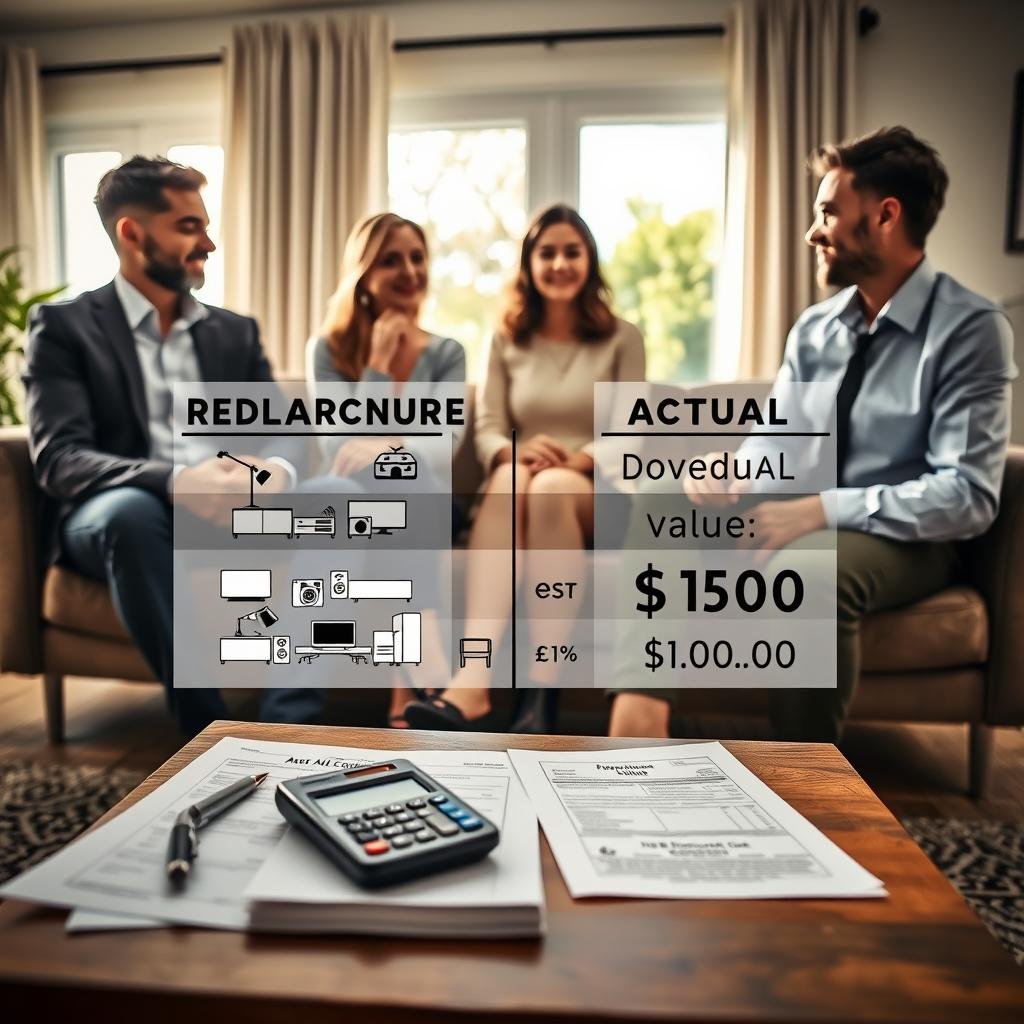
Definitions and Differences
Replacement Cost (RC) helps pay for new items that are similar to what you lost. It doesn’t consider how old or worn out the original item was. So, you get enough money to buy a brand-new version at today’s prices.
Actual Cash Value (ACV) takes into account how much value your items have lost over time. The insurance company figures out the cost to replace the item and then subtracts its lost value. This means you get less money for older items compared to buying new ones.
When Each is Applied
Insurance companies use these methods based on your policy’s terms. If you want the best protection, look for policies that offer replacement cost for personal property. This way, you won’t have to pay extra for replacing older items.
Actual cash value is often the default because it’s cheaper in monthly premiums. But, relying on ACV can be risky if you have many old items that cost a lot to replace. Picking the right valuation method is key to having comprehensive home insurance coverage that really protects your money.
Shopping for Home Insurance
Finding the right home insurance is key. Many stick with their current provider without looking for better deals. By comparing home insurance plans, you can save money and get better coverage.
Tips for Comparing Policies
Start by getting quotes from several top-rated home insurance providers. Look at more than just the price. Check the limits and deductibles each company offers. Online tools can help you compare easily.
Make sure the home insurance companies you choose are financially strong. They should pay claims quickly and fairly. Reading reviews and checking ratings will help you find the best home insurance policies for you.
Working with Insurance Agents
Choosing between a captive agent or an independent broker matters. Captive agents work for one company, while independent brokers can compare home insurance plans from many. This can help you find the best rates for your home.
Ask your agent about policy exclusions and endorsements. A good agent will explain how different coverage levels affect your financial security. A strong relationship with your agent means you get advice that fits your changing needs.
| Feature | Independent Broker | Direct Provider |
|---|---|---|
| Policy Variety | High (Multiple Carriers) | Low (Single Carrier) |
| Personalized Service | High (Dedicated Support) | Moderate (Call Center) |
| Pricing Transparency | High (Market Comparison) | Moderate (Company Specific) |
Choosing top-rated home insurance providers is crucial. By looking at different home insurance companies, you protect your investment. Finding the best home insurance policies is essential for responsible homeownership.
Filing a Home Insurance Claim
You can protect your home with insurance by following a few key steps after an incident. When damage happens, the first moments are crucial for your safety and financial recovery.
Steps to Take After Damage Occurs
First, make sure everyone in your home is safe. After that, take steps to prevent further damage. For example, cover broken windows or patch a leaking roof if it’s safe.
Then, document everything well. Take clear photos and videos of the damage before you start cleaning. Call your insurance provider right away to report the loss and start the claim process.
“Insurance is not just a policy; it is a promise of security that allows you to rebuild your life when the unexpected happens.”
Tips for a Successful Claim Process
Good communication is key for a smooth settlement. Keep a detailed log of all talks with your insurance company. Include names and dates of calls.
Work closely with your adjuster. Give them all your documents, like receipts for temporary fixes and a list of damaged items. Being organized and proactive helps a lot in protecting your home with insurance.
Don’t sign any settlement agreements too quickly. Make sure you’re happy with the offer. If not, ask for a detailed explanation and discuss your options for a review.
What to Do if Your Claim is Denied
Getting a denial letter from your insurance can be really stressful. It might seem like the end, but it’s not always the case. Insurance companies can make errors or need more info. You can fight the decision if you think your policy should cover the damage.
Understanding the Denial Reasons
First, read the denial letter from your insurer carefully. It should explain why they denied your claim. This could be because of a policy exclusion, missing documents, or a late filing. Knowing why is crucial for what to do next.
Many denials happen because of misunderstandings about what’s covered. For example, wear and tear isn’t usually covered, but sudden damage is. If you’re unsure, look for better homeowners insurance quotes to see if your policy is fair.
Steps to Appeal Claim Decisions
If you don’t agree with the decision, start the appeal process right away. Collect more evidence like repair estimates and damage photos. Clear, documented proof can help change the adjuster’s mind.
Talking clearly with your insurance rep is important. Keep a record of all your conversations. If appealing internally doesn’t work, you might need to contact your state’s insurance department for help. Here’s a quick guide on common denial reasons and how to tackle them.
| Denial Reason | Potential Solution | Required Documentation |
|---|---|---|
| Insufficient Evidence | Provide more photos | Detailed repair logs |
| Policy Exclusion | Review policy language | Original policy contract |
| Missed Deadline | Request a formal waiver | Proof of timely notice |
| Under Deductible | Re-evaluate damage costs | Professional contractor bid |
The Role of an Insurance Broker
Dealing with property protection can be tough. That’s where a professional insurance broker comes in. They act as your advocate, helping you find the right home insurance. They make sure it fits your financial goals and property needs.
Benefits of Using a Broker
Working with an independent broker has big advantages. They can look at the whole market, not just one carrier. This means they can find you the best rates from home insurance companies.
Brokers save you a lot of time. They do all the work of finding and applying for policies. They know the industry well and can spot coverage gaps you might miss. They also have connections with top-rated home insurance providers, which can get you better deals.
How to Choose the Right Broker
Finding the right broker is key. Look for one who is licensed in your state and known for transparency and integrity.
Ask potential brokers about their experience with local properties and how they handle claims. A good broker will communicate clearly and explain your policy details. Your goal is to find a partner who looks out for you and supports you throughout your policy’s life.
Keeping Your Home Insurance Up-to-Date
Your home insurance policy needs regular checks to stay effective. Not keeping up with changes can leave you unprotected. Staying proactive keeps your financial safety strong, no matter what life brings.
Periodic Policy Reviews
Review your insurance every year. This helps you compare home insurance plans to find the best deal. The market and risks can change, so it’s crucial to update your coverage.
Adapting to Life Milestones
Big life events mean it’s time to update your policy. Upgrades like a new kitchen or security system can lower your premiums. Also, buying expensive items like jewelry or electronics needs your policy limits to be adjusted.
Getting married, adding to your home, or seeing crime rates change in your area? Talk to your agent. Keeping informed helps balance cost and coverage. Regularly comparing home insurance plans ensures your home is always protected.
FAQ
Why is essential home insurance coverage important for property owners?
What is the primary purpose of a residential insurance contract?
What are the different types of home insurance policies available in the U.S.?
What are the three primary pillars of a standard home insurance policy?
How does Additional Living Expenses (ALE) coverage work?
What are common exclusions in standard home insurance policies?
What factors do home insurance companies use to determine premiums?
How does my choice of deductible impact my insurance costs?
How can I find the right home insurance coverage amount for my property?
Why is maintaining a home inventory important for claims?
What are the most common ways to get discounts on home insurance?
Do renters need a different type of insurance coverage?
What is the difference between replacement cost and actual cash value?
How should I shop for the best home insurance policies?
What steps should I take when filing a home insurance claim?
What can I do if my home insurance claim is denied?
What is the benefit of using an independent insurance broker?
How often should I review my home insurance policy?

About the Author: Macelo
A professional dedicated to producing informative content for the automotive and insurance sectors, focusing on consumer education and practical analysis of products and services. They develop texts covering topics ranging from vehicle maintenance and use to insurance contracts, coverage comparisons, and risk assessment, always using accessible and up-to-date language.