Budget-Friendly Auto Insurance: Find Affordable Coverage

Every driver in the United States wants to manage their monthly expenses well. Finding budget-friendly auto insurance is more than just saving money. It’s about protecting your financial future and staying safe on the road.
Many drivers face the challenge of balancing needed coverage with high premium costs. Making the right choice means understanding your needs and the current market well.
By looking at different options, you can find affordable car insurance that suits your life. This guide will help you understand complex provider offers. It ensures you make a smart choice for your family.
Key Takeaways
- Prioritize essential coverage levels to avoid overpaying for unnecessary add-ons.
- Compare quotes from multiple providers to identify the best market rates.
- Maintain a clean driving record to qualify for lower premium tiers.
- Bundle your policies to unlock significant multi-policy discounts.
- Review your policy annually to adjust for changing life circumstances.
Understanding Budget-Friendly Auto Insurance
Many drivers think low-cost insurance means bad service. But, budget-friendly auto insurance is about finding the right balance. It’s about getting good coverage without breaking the bank.
What Is Budget-Friendly Auto Insurance?
This coverage gives you the basics without extra costs. It’s about picking the right deductibles and coverage for your car and driving. This way, you only pay for what you need.
Looking for cheap auto coverage means finding a smart policy. You want protection without spending too much. Here are key parts of a good, affordable policy:
- Liability limits that meet state rules without being too high.
- Deductibles you can afford if you need to make a claim.
- Discounts for safe driving, bundling, or car safety features.
Why It’s Important to Shop Around
The insurance market is very competitive. Prices can change a lot between providers for the same driver. Don’t settle for the first offer you get. Shopping around helps you find the best deal for you.
By comparing different providers, you learn how they set prices. This helps you negotiate better. Finding cheap auto coverage is a smart move that saves you money if you do your research.
Key Factors Affecting Auto Insurance Rates
Getting low-cost car insurance means knowing what affects your monthly payments. Insurers use a detailed risk model to figure out your premium. Knowing these factors can help you make changes to get better competitive car insurance rates.
Vehicle Type and Model
The car you drive is a big factor in your insurance costs. Insurers look at repair costs, theft risk, and safety features. High-performance vehicles and luxury cars usually cost more because they’re pricey to fix or replace.
On the other hand, cars with good safety ratings and driver-assistance systems might get you lower rates. These features help prevent serious accidents, making your car less risky for the insurer.
Your Driving Record
Your driving history is a key factor in your insurance price. A clean record with no accidents or tickets shows you’re a safe driver. This can lead to big discounts and better competitive car insurance rates.
But, if you’ve had speeding tickets or accidents, your rates will go up. Insurers see these as signs of future risk, so they charge more to cover potential claims.
Location and Safety Ratings
Where you live and park your car affects your insurance risk. Cities with lots of traffic and theft have higher premiums. Insurers also check local weather and accident stats in your zip code.
Insurance is all about managing risk. Every part of your profile is compared to past data to guess your claim chances.
The table below shows how different things affect your insurance costs:
| Factor | Impact on Premium | Risk Level |
|---|---|---|
| Clean Driving Record | Lowers Cost | Low |
| High-Theft Area | Increases Cost | High |
| Advanced Safety Features | Lowers Cost | Low |
| Luxury Vehicle Model | Increases Cost | High |
Knowing these factors is key for finding low-cost car insurance. Keep a safe driving record and choose a car with good safety features. This can help you get the best rates from your provider.
Tips for Finding Affordable Coverage
You can lower your monthly bills by using some smart insurance tips. Premiums might seem set, but the market is competitive. This means you can find affordable car insurance that meets your budget without sacrificing safety.
Compare Multiple Quotes
Shopping around is the best way to avoid overpaying. Get quotes from at least three providers to find fair market pricing. This lets you see how each company views your risk.
Not sure where to begin? Check out ways to get cheapest car insurance to help your search. Comparing these offers side-by-side helps you find the best deal for you.
Take Advantage of Discounts
Most insurers offer discounts to lower your costs. Using discount auto insurance programs can cut your premiums a lot. Here are some common discounts:
- Bundling home and auto policies.
- Keeping a clean driving record for years.
- Installing safety features like anti-theft devices.
- Completing defensive driving courses.
Consider Higher Deductibles
Changing your policy can also save you money. Choosing a higher deductible means you pay more if you need to file a claim. This usually lowers your monthly premium.
“Choosing a higher deductible is a classic trade-off that can provide immediate relief to your monthly budget, provided you have the savings to cover the potential cost if an accident occurs.”
This is great for those with an emergency fund who want to cut their bills. But make sure the lower premium is worth the extra risk. Finding the right cheap auto coverage for your lifestyle is all about balance.
The Role of Credit Scores in Insurance Pricing
Your credit score is more than just a number. It plays a big role in getting economical vehicle insurance. Insurance companies in the U.S. look at your financial data to see if you’re a risk. Knowing this can help you manage your finances better and save money in the long run.
How Credit Scores Are Evaluated
Insurance companies use your credit score to guess if you’ll make claims in the future. They check your payment history, debt, and how long you’ve had credit. They see financial stability as a sign of being a responsible driver.
“A strong credit profile acts as a foundation for better financial opportunities, including access to more affordable insurance premiums.”
If your credit score is high, you’re seen as a safer driver. This can lead to big discounts on your insurance. But, a low score might mean you pay more, making it tough to find economical vehicle insurance.
| Credit Tier | Risk Assessment | Premium Impact |
|---|---|---|
| Excellent | Very Low | Significant Savings |
| Good | Low | Moderate Savings |
| Fair | Moderate | Standard Rates |
| Poor | High | Higher Premiums |
Tips for Improving Your Credit Score
To improve your credit score, be consistent and patient. Pay all bills on time, as this is key. Also, try to keep your credit use low by paying down balances.
Checking your credit report for mistakes is crucial. If you find errors, fix them fast. This keeps your score accurate and helps you get better economical vehicle insurance deals.
Types of Coverage Offered
When looking for inexpensive car insurance, it’s key to understand each coverage type. Knowing the difference between must-haves and nice-to-haves helps you save money. It also makes sure you follow the law.
Want to learn more about car insurance basics? Check out how car insurance works in the United States. This knowledge is crucial for making smart financial choices.
Liability Coverage
Liability coverage is a must-have for most drivers. It’s typically mandatory and protects you if you cause an accident. It covers injuries and property damage to others.
This coverage pays for the other party’s medical bills and repair costs. It keeps you from paying these out of pocket. It doesn’t cover your car, but it’s essential for driving legally.
Collision and Comprehensive Coverage
Collision and comprehensive coverage protect your vehicle. Collision pays for repairs if your car hits something, no matter who’s at fault.
Comprehensive coverage covers non-collision damage like theft, vandalism, fire, or weather damage. Many look for inexpensive car insurance by adjusting deductibles on these plans. This way, you get good protection without breaking the bank.
The Importance of Customer Reviews
When searching for the best-priced car insurance, don’t overlook customer feedback. Low rates are enticing, but they don’t show the whole picture. Genuine feedback from others gives you a real look at a company’s value.
Researching Insurance Providers
Don’t just look at what companies say about themselves. Check out independent ratings and forums to see how they treat customers. A company known for transparency and fairness might cost a bit more, but it’s worth it.
“The bitterness of poor quality remains long after the sweetness of a low price is forgotten.”
Reliability is key in an insurance relationship. You want a company that will be there when you need them. Here’s a table to help you compare insurance providers based on what people say about them.
| Evaluation Metric | What to Look For | Impact on Policy |
|---|---|---|
| Claims Speed | Fast resolution times | Reduces stress after accidents |
| Customer Support | 24/7 availability | Easier access to help |
| Pricing Stability | Few surprise hikes | Helps maintain best-priced car insurance |
Understanding Claims Processing
Filing a claim is the real test of a policy. The cheapest options often have the most bureaucratic hurdles. Reading reviews about claims can help you avoid these issues.
Look for patterns in how a company handles claims. If many people report delays or denied claims, it’s a warning sign. Choose a company with a streamlined claims process for real protection when you need it.
State-Specific Insurance Requirements
Driving legally means more than just finding a cost-effective auto coverage plan. You must meet state-mandated minimums. It’s important to understand these rules to be a responsible vehicle owner.
Looking for affordable car insurance? Check out the best affordable car insurance companies in the U.S. to find one that fits your state’s laws. It’s possible to save money while still following the law.
Minimum Coverage Requirements by State
Every U.S. state has its own minimum liability limits for car insurance. These cover injuries and property damage in accidents. Check with your local Department of Motor Vehicles for the exact amounts.
Some states require extra coverage like Personal Injury Protection (PIP) or Uninsured Motorist Coverage. Not having these can leave you at risk, even with cost-effective auto coverage. Always check your policy to make sure it meets your state’s laws.
Penalties for Uninsured Driving
Driving without insurance is a big deal with significant legal consequences. Authorities use databases to check insurance status. If caught, you could face fines, vehicle impoundment, or license suspension.
Having an uninsured driving conviction can also raise your insurance rates a lot. Insurance companies see drivers without coverage as high-risk. It’s cheaper to keep cost-effective auto coverage than deal with the long-term costs of penalties and higher insurance rates.
The Benefits of Bundling Insurance Policies
Protecting your assets doesn’t have to cost a lot. By combining your insurance needs, you can save a lot of money. This is key for those looking for cost-effective auto coverage and full protection for their homes and cars.

Combining Auto and Home Insurance
In the U.S., many insurance companies give discounts for bundling policies. When you bundle auto and home insurance, you become a more valuable customer. This can lead to a multi-policy discount on both premiums.
Bundling also makes your life easier. You only have to deal with one account for all your insurance needs. This means no more juggling different renewal dates and payment portals. It’s a big help in keeping your cost-effective auto coverage on track.
Potential Savings through Bundling
The main reason people bundle is to save money. Insurance companies see bundled customers as less risky. This lets them offer you lower rates, saving you up to 25% a year.
It’s smart to compare the cost of bundling to buying separate policies. Sometimes, a specialized auto insurer might be cheaper. But, bundling usually saves you more money overall. Use the table below to see how bundling compares in value and convenience.
| Feature | Standalone Policies | Bundled Policies |
|---|---|---|
| Monthly Premium | Higher | Lower |
| Administrative Effort | High | Low |
| Discount Eligibility | Limited | High |
| Overall Value | Moderate | Excellent |
Understanding Auto Insurance Terms
Learning basic insurance terms is crucial for managing costs. Many feel lost by the jargon in their contracts. Yet, knowing these terms helps find economical vehicle insurance. By understanding how they work, you can compare top auto insurance rates today and customize your policy.
Premiums and Deductibles
The premium is what you pay for your insurance each month. It’s based on your risk and coverage level. Finding the right balance between premium and deductible is key for saving money.
A deductible is the amount you pay before insurance kicks in after an accident. A higher deductible means lower monthly payments. But, make sure you can afford it if you need to use it.
Coverage Limits and Exclusions
Coverage limits are the max your insurance pays for a loss. It’s crucial to check these limits to avoid being underinsured. Choosing limits that fit your budget is wise for economical vehicle insurance.
Exclusions are things your policy doesn’t cover. This could be intentional damage, wear and tear, or using your car for business. Always read your policy to know what’s not covered, to avoid surprises when you need to claim.
When to Reassess Your Auto Insurance Needs
Drivers who want the best-priced car insurance should regularly check their policies. Not updating your coverage can mean paying for protection you don’t need. By keeping an eye on changes in your life, you can keep your premiums low.
Life Changes That Affect Coverage
Big life events can change how insurance companies see your risk. For example, moving to a safer area or a place with less traffic can lower your rates. Getting married or adding a teen driver also changes your risk level.
Also, if you’ve added advanced safety features to your car or drive less, you might qualify for discounts. Letting your insurer know about these changes can help you get the best-priced car insurance for your current situation.
Annual Policy Reviews
Even if your life seems steady, it’s wise to review your policy every year. Insurance companies often change their rates to attract new customers. A yearly review lets you see if your current plan is still the best.
Check if your coverage limits still match your financial goals and the value of your car. If your car has lost a lot of value, you might save money by lowering some coverage types. The table below shows how different life events can affect your insurance needs.
| Life Event | Potential Impact | Action Required |
|---|---|---|
| Relocation | Rate Change | Update Address |
| Marriage | Discount Eligibility | Combine Policies |
| New Driver | Premium Increase | Add to Policy |
| Vehicle Sale | Coverage Reduction | Remove Vehicle |
How to File a Claim with Budget-Friendly Options
Even with a low-cost policy, you should have a smooth and efficient experience when filing a claim. Dealing with a vehicle accident can be tough, but knowing the steps helps. Whether you’re looking for affordable car insurance near you or already have a budget-friendly plan, the claim process is the same.
Steps to Take After an Accident
Your first step after a crash is ensuring the safety of everyone involved. Move your car to a safe spot if you can and check for injuries. Then, call emergency services if someone needs medical help or if there’s a lot of damage.
Next, document everything. Take clear photos of the damage, the accident scene, and any important signs. Also, get the other driver’s contact and insurance info, and statements from witnesses.
What to Expect During the Claims Process
After you report the accident, an insurance adjuster will contact you. They will evaluate the damages and figure out what repairs are needed. They’ll look at your documents, check the car, and compare it to your policy.
The adjuster will then figure out how much you’ll get paid. Remember, transparency is key here. If you have questions, ask them. Most companies want to fix things fast so you can get back on the road.
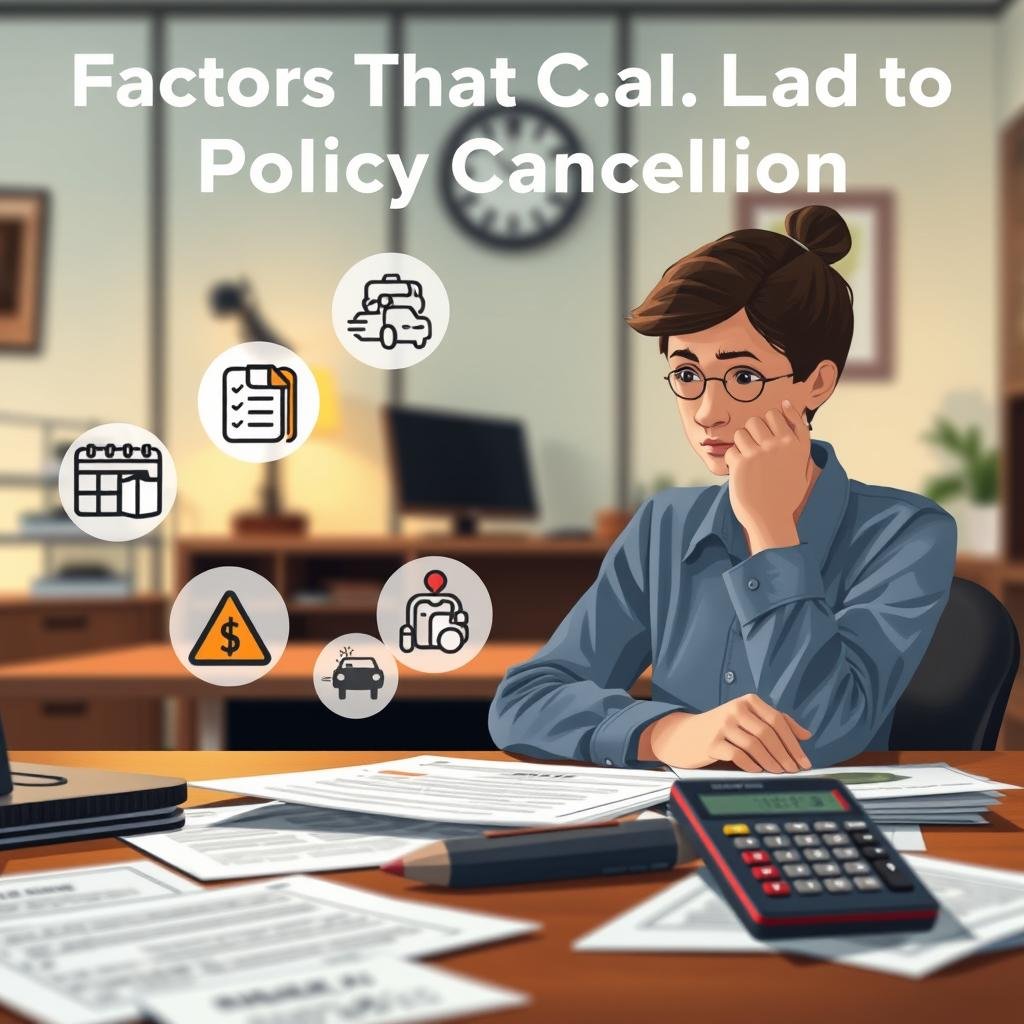
Factors That Can Lead to Policy Cancellation
Knowing why an insurance company might cancel your coverage is key for every driver. Most people think their policy stays active if they pay on time. But, there are certain situations that can lead to a policy being canceled. Knowing these situations helps you keep your continuous protection and avoid the hassle of finding a new provider.
When a policy is canceled, it can leave a gap in your insurance history. This gap can make your rates go up when you get a new policy. It’s important to know your duties as a policyholder to keep your coverage safe.
Non-Payment of Premiums
The main reason for policy cancellation is not paying your consistent premium payments. Insurance companies give you a grace period, but missing this can lead to termination. It’s smart to set up automatic payments or reminders to keep your account current.
If you’re late with a payment, your insurer will send a cancellation notice. You should never ignore these warnings. They are your last chance to fix the issue. After a policy is canceled for non-payment, getting it back or finding a new one can be tough.
Frequent High-Risk Claims
Having too many claims in a short time can also cause a policy to not be renewed or canceled. Insurance companies see frequent high-risk claims as a sign of future costs. Even if you weren’t fully at fault, a lot of claims can change how you’re seen.
Carriers look at your claims history to see if you’re worth the cost. If you have a pattern of accidents, they might think you’re not a good fit. Keeping a clean driving record and avoiding small claims can help you keep your policy.
The Impact of Driving Behavior on Rates
Modern technology is changing how insurance companies judge driving risk. They now look at how you drive, not just who you are. This change means you can get competitive car insurance rates that match your driving habits.
Safe Driving Discounts
Many insurers offer discounts for safe drivers. Avoiding accidents and speeding tickets shows you’re a low-risk driver. These discounts help you save on discount auto insurance if you focus on road safety.
To get these discounts, you must meet certain criteria. Benefits include:
- Lower annual premium costs.
- Reduced deductibles for long-term policyholders.
- Eligibility for accident forgiveness programs.
Telematics and Usage-Based Insurance
Telematics programs track your driving with apps or devices. They offer competitive car insurance rates based on your driving habits. By joining, you can control your insurance costs through your actions.
The table below shows how driving habits affect your insurance:
| Driving Factor | Impact on Premium | Data Source |
|---|---|---|
| Consistent Speeding | Higher Rates | GPS Telematics |
| Late Night Driving | Increased Risk | Time-of-Day Tracking |
| Smooth Braking | Lower Rates | Accelerometer Data |
Using these tools shows your reliability to insurers. By sharing your data, you prove you deserve lower costs. This approach makes the system fairer for everyone.
Additional Coverage Options to Consider
Customizing your policy helps you deal with life’s surprises while keeping your inexpensive car insurance affordable. Many drivers skip optional add-ons, thinking they’ll raise their monthly costs. But, these extras are often just a few dollars a month and offer big benefits when you really need them.
Roadside Assistance Plans
A roadside assistance plan is a smart investment for anyone who wants peace of mind during a car breakdown. It covers you for dead batteries, flat tires, or running out of fuel. This coverage ensures you’re not stuck on the side of the road, making your inexpensive car insurance more useful in emergencies.
Rental Car Reimbursement
If your car is in the shop for repairs after an accident, life keeps moving. Rental car reimbursement helps pay for a temporary vehicle. This way, you can keep up with your daily life without worry. It’s a practical solution that keeps your inexpensive car insurance effective while giving you the freedom to move around.
By choosing these specific add-ons, you can create a strong safety net that fits your budget. These features show you can have quality without breaking the bank. Always check your policy to make sure these options match your driving habits and vehicle needs.
Resources for Auto Insurance Research
Smart consumers know that thorough research is key to saving on premiums. By exploring your options, you can find low-cost car insurance that meets your needs. Professional digital tools make this process easy and straightforward.
Online Comparison Tools
Online comparison platforms are great for getting quotes from different carriers at once. Just enter your vehicle and driver info once to see many offers. This saves time and helps you find competitive pricing easily.
These tools help you see the differences in coverage and deductibles. Make sure to use secure, reputable websites to protect your data. They also provide clear summaries of each policy, making comparisons easier.
State Insurance Department Websites
It’s important to check if an insurance company is trustworthy. Every state has an insurance department website for this purpose. These sites confirm if an insurer is licensed to operate in your area.
These websites also publish consumer complaint records and financial stability ratings. This is crucial for finding low-cost car insurance through careful research. If a company has a bad reputation, you’ll find that here.
| Resource Type | Primary Benefit | Best For |
|---|---|---|
| Comparison Portals | Instant Quote Aggregation | Quick Price Checks |
| State Departments | License Verification | Safety and Reliability |
| Consumer Reports | Performance Reviews | Finding low-cost car insurance |
Final Thoughts on Securing Affordable Coverage
Managing your vehicle protection is key to keeping your finances stable. You can keep your premiums low by staying on top of your policy details all year.
Staying Informed About Market Changes
Companies like GEICO and State Farm often change their prices based on new data. It’s important to watch these changes to make sure your policy is still affordable. By keeping up with industry news, you can find discounts that fit your life.
Long-Term Strategies for Savings
Good habits lead to saving money on car insurance over time. Always check your coverage when big things happen, like moving or buying a new car. This helps you avoid paying for coverage you don’t need.
Having a good relationship with your agent helps you talk about rate changes. View your policy as a tool to protect your finances, not just an expense. Start reviewing your policy today to keep costs down and coverage strong.
FAQ
How can I find budget-friendly auto insurance without sacrificing essential protection?
Why is it important to shop around for affordable car insurance?
What factors most influence my ability to get cheap auto coverage?
Can choosing a higher deductible lead to low-cost car insurance?
How does my credit score impact my search for economical vehicle insurance?
What is the difference between liability and comprehensive coverage when seeking inexpensive car insurance?
Why should I check customer reviews to find the best-priced car insurance?
Are there penalties for choosing a budget policy that doesn’t meet state requirements?
How does bundling policies help me secure discount auto insurance?
What are telematics, and can they provide more competitive car insurance rates?
When is the best time to reassess my needs for cost-effective auto coverage?
What resources can I use to research the most budget-friendly auto insurance options?

About the Author: Macelo
A professional dedicated to producing informative content for the automotive and insurance sectors, focusing on consumer education and practical analysis of products and services. They develop texts covering topics ranging from vehicle maintenance and use to insurance contracts, coverage comparisons, and risk assessment, always using accessible and up-to-date language.