Compare the Best Travel Insurance Options

When planning a trip, it’s key to think about travel insurance. It helps protect you from unexpected events. With many options out there, it’s important to compare plans to find the right one for you.
There are different travel insurance plans for various travel needs. These include coverage for trip cancellations, medical emergencies, or lost luggage. By comparing these plans, you can find the best coverage for your trip.
Choosing the right travel insurance gives you peace of mind and financial security. This article will help you compare top plans and providers. You’ll learn how to pick the perfect insurance for your unique trip.
Key Takeaways
- Understand the different types of travel insurance available
- Learn how to compare travel insurance plans effectively
- Identify key factors to consider when choosing a travel insurance provider
- Discover the benefits of having the right travel insurance coverage
- Find out how to select the best plan for your specific travel needs
Why You Need Travel Insurance Before Your Trip
Before you start your next adventure, it’s important to know about travel insurance. It acts as a safety net against unexpected events. These events can ruin your travel plans, cost you money, and affect your health.
Understanding the Importance of Coverage
Travel insurance covers things like trip cancellations, medical emergencies, and delays. Comprehensive travel insurance coverage can help if your trip is cancelled. It ensures you don’t lose a lot of money.
It also offers medical coverage abroad, which is vital in countries with high medical costs. Plus, it helps with lost or stolen luggage.
Common Travel Risks to Consider
Travelers face many risks, like trip cancellations, medical emergencies, and delays. Knowing these risks helps you pick the right insurance.
- Trip cancellations or interruptions due to unforeseen circumstances
- Medical emergencies, including hospital stays and emergency evacuations
- Travel delays, lost or stolen luggage, and other travel-related issues
With the right coverage, you can reduce financial losses. This way, you can enjoy your trip more.
How to Choose the Best Travel Insurance Company
Choosing the right travel insurance company is important. You need to know what you need for your trip. Then, look at what different policies offer.
Assessing Your Travel Needs
Start by thinking about your trip. Consider where you’re going, how long you’ll stay, and what you’ll do. For example, if you’re into extreme sports, you’ll need a policy that covers those activities.
Also, think about your health and any pre-existing conditions. Knowing this helps you find a policy that meets your needs.
Evaluating Policy Features
After figuring out what you need, look at policy features. Look for comprehensive coverage for things like trip cancellations, medical emergencies, and lost or damaged luggage.
- Check if the policy covers pre-existing medical conditions.
- Verify if the policy includes coverage for adventure activities or sports.
- Understand the claim process and the documentation required.
When looking at affordable travel insurance options, compare costs and coverage. Also, research reputable travel insurance companies by reading reviews and checking their customer service.
By carefully looking at your needs and policy features, you can pick the best travel insurance. This ensures a safe and enjoyable trip.
Top Travel Insurance Companies in the United States
The top travel insurance companies in the U.S. offer great coverage and service. They meet the needs of all travelers.
Allianz Travel Insurance
Allianz is a trusted name in travel insurance. It offers trip cancellation, emergency medical, and baggage protection. Allianz lets you choose plans that fit your needs, making it a favorite among travelers.
World Nomads
World Nomads is great for those who love adventure. It covers extreme sports and activities. It also has plans for trip interruptions, medical emergencies, and personal liability. Plus, its claims process is easy to use.
Travel Guard
Travel Guard has many plans, including annual and single-trip options. It includes travel delay, missed connection, and 24/7 help. Travel Guard is known for its fast claims and reliable service.
| Company | Key Features | Notable Benefits |
|---|---|---|
| Allianz Travel Insurance | Trip cancellation, emergency medical, baggage protection | Flexible plans, extensive coverage |
| World Nomads | Trip interruption, medical emergencies, personal liability | Extreme sports coverage, easy claims |
| Travel Guard | Travel delay, missed connection, 24/7 assistance | Quick claims, reliable service |
Comprehensive vs. Basic Travel Insurance Plans

When planning a trip, it’s key to know the difference between comprehensive and basic travel insurance plans. Travel insurance comes in many forms, each with its own set of benefits and costs.
Comprehensive travel insurance plans offer a wide range of benefits. They cover trip cancellations, interruptions, and medical emergencies. These plans are perfect for travelers who want all-around protection against travel risks.
Differences in Coverage
The main difference between comprehensive and basic plans is their coverage. Comprehensive plans cover more risks, like trip cancellations and medical emergencies. On the other hand, basic plans usually only cover essential risks and cost less.
Comprehensive plans are best for those who want full coverage. They include trip cancellation and interruption insurance. This can help you get back your prepaid travel costs if your trip is canceled or interrupted.
When to Opt for Comprehensive
Choose a comprehensive plan if you’re spending a lot on your trip or traveling to places with high medical costs. It’s also good for those with pre-existing medical conditions or planning adventure activities. This plan offers the coverage you need.
Think about your trip type, health, and planned activities when deciding. For example, if you’re going on a luxury vacation or an adventure trip, a comprehensive plan is better.
When picking between comprehensive and basic plans, check the insurance provider’s reputation. Look for best rated travel insurance companies known for reliable coverage and good customer service.
Common Travel Insurance Exclusions
Knowing what your travel insurance doesn’t cover is key for a worry-free trip. Travel insurance helps protect you from unexpected events. But, it has specific exclusions that can lead to extra costs if you don’t understand them.
Two big areas where exclusions often apply are pre-existing medical conditions and extreme activities. Knowing about these exclusions helps you plan your trip and choose the right insurance.
Pre-Existing Conditions
Most policies don’t cover pre-existing medical conditions without a special rider. A pre-existing condition is any medical issue you had before buying the policy.
- Examples include chronic conditions like diabetes or heart disease.
- Some insurers let you buy a waiver for pre-existing conditions if you get the policy soon after booking your trip.
It’s vital to check your policy’s terms on pre-existing conditions to know what’s covered and what’s not.
Extreme Activities and Regulations
Travel insurance often doesn’t cover injuries from extreme activities like skydiving, bungee jumping, or deep-sea diving. If you’re planning to do these activities, check if your policy covers them or if you need extra coverage.
- Some insurers offer special policies or add-ons for adventure lovers.
- Knowing the rules and exclusions for extreme activities helps avoid claim denials.
By understanding these common exclusions, you can better handle travel insurance. This ensures you have the right coverage for your trip.
Tips for Filing a Travel Insurance Claim
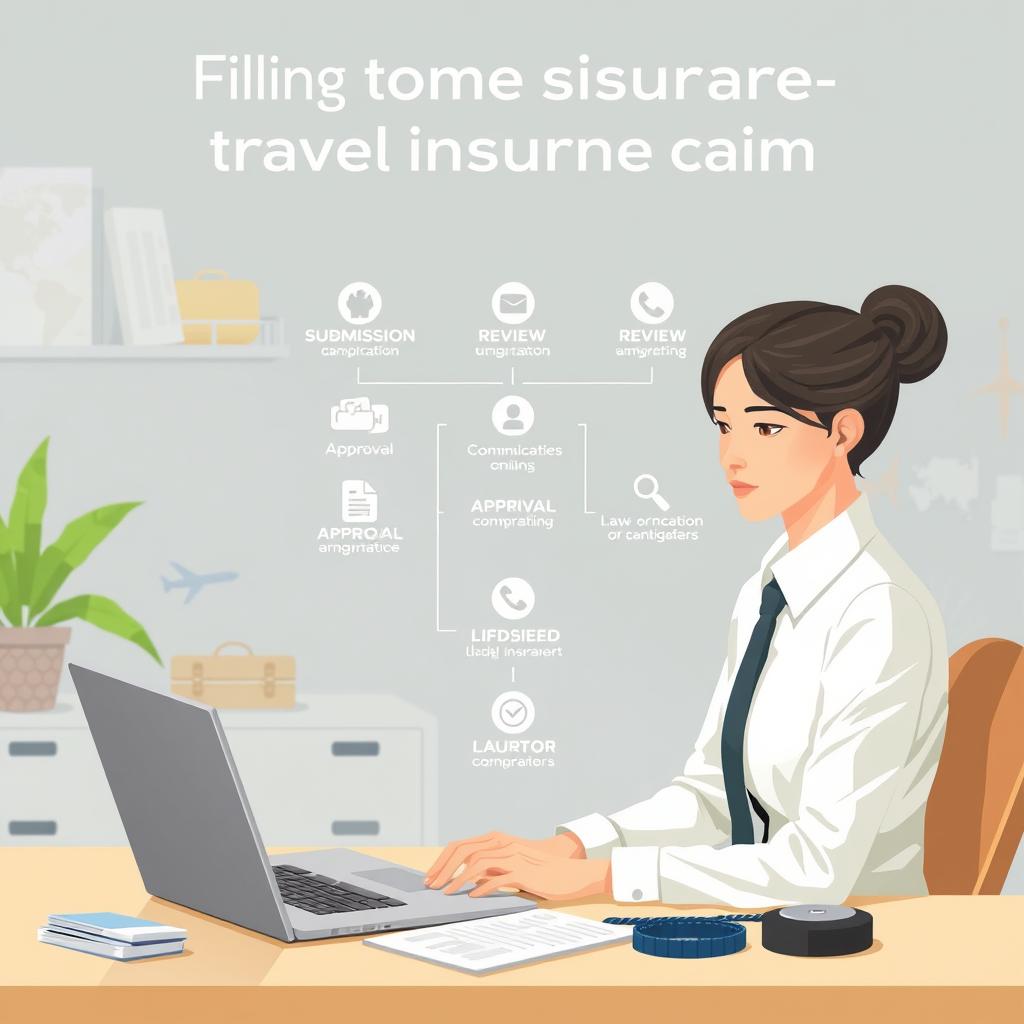
To file a travel insurance claim, knowing what documents you need and the deadlines is key. If you’re prepared, filing a claim can be easy.
Gathering Necessary Documentation
Getting the right documents is a big step in filing a claim. You’ll need receipts, medical records if you got sick or hurt, and proof of your trip. Top travel insurance providers need these details to process your claim quickly.
Keep all your documents in order. This means both physical copies and digital backups. Having everything ready can make filing a claim less stressful.
Understanding Claim Timelines
Knowing when to file a claim is also important. Most top travel insurance providers have specific times to submit claims. If you miss these deadlines, your claim might not be accepted.
Insurance companies usually want claims filed within a few days of the incident. For example, medical claims might need to be filed in 30 days. Trip cancellation claims might have different deadlines.
To not miss these deadlines, tell your insurance provider right after something happens. They can help you understand what you need and when you need it.
Travel Insurance for International vs. Domestic Trips
Travel insurance for international and domestic trips differs a lot. It’s not just about where you go. It’s about the risks, coverage, and benefits you need.
Domestic trips usually have lower risks. So, insurance for these trips often covers cancellations, delays, and medical emergencies within the country.
Key Differences in Coverage
International trips, though, need more coverage because of higher risks. This includes medical evacuations, travel to countries with advisories, and dealing with foreign laws.
- Medical Coverage: International insurance often has higher medical limits and may cover evacuations.
- Travel Disruptions: Both types cover cancellations and interruptions. But international policies offer more help with foreign travel authorities.
- Legal Assistance: International insurance may help with legal issues abroad, something domestic trips don’t need.
| Feature | Domestic Travel Insurance | International Travel Insurance |
|---|---|---|
| Medical Coverage Limit | $10,000 – $50,000 | $100,000 – $500,000 |
| Medical Evacuation | Not typically covered | Often covered |
| Legal Assistance | Not typically covered | Often covered |
Best Practices for International Travel
For international trips, choose a policy with many benefits. Look for medical coverage, trip cancellation, and delay insurance.
Research and compare different insurance providers to find the best for your international trips. Make sure it fits your needs and budget.
Knowing your travel insurance policy well can prevent unexpected costs and problems on your trip.
The Cost of Travel Insurance: What to Expect

The cost of travel insurance changes based on several factors. These include the trip’s cost, your age, and the coverage you choose. Knowing these factors helps predict your insurance cost.
Average Premium Costs
Travel insurance costs usually range from 4% to 10% of your trip’s cost. For example, a $1,000 trip might cost $40 to $100 for insurance. But, actual costs can differ based on the provider and your policy details.
Here’s a look at average costs for different trip expenses:
| Trip Cost | Average Insurance Cost |
|---|---|
| $1,000 | $40 – $100 |
| $2,000 | $80 – $200 |
| $5,000 | $200 – $500 |
Factors Influencing Rates
Many factors affect travel insurance rates. It’s important to compare plans from trusted companies. Key factors include:
- Age: Older travelers often pay more due to health risks.
- Destination: Higher health or political risks can raise costs.
- Type of Coverage: Plans covering adventure or pre-existing conditions cost more.
- Trip Duration: Longer trips have higher premiums.
As
“The right travel insurance plan can make all the difference in ensuring a stress-free trip. It’s not just about the cost; it’s about the coverage and service you get.”
, a travel insurance expert noted. This highlights the importance of picking the right plan.
When comparing plans, look beyond cost. Consider coverage, deductibles, and exclusions. Use a comparison tool or talk to a trusted provider to find the best plan for you.
Understanding what affects costs and comparing plans helps you choose wisely. This ensures your travel plans and budget are well-covered.
Customer Reviews and Assessments of Travel Insurance Providers
Customer feedback is key in judging the trustworthiness and service quality of travel insurance companies. By looking at customer reviews, people can learn about the good and bad points of different providers.
Importance of Customer Feedback
Reviews from customers are vital because they share real-life experiences. Positive reviews often talk about good customer service, quick claims, and wide coverage. On the other hand, negative reviews might point out problems like slow claim payments or poor support.
When looking at feedback, it’s important to check the overall rating and how many reviews there are. A company with many positive reviews is usually more reliable than one with just a few.
Where to Find Reliable Reviews
You can find trustworthy reviews on several platforms:
- Consumer review websites like Trustpilot and Consumer Reports
- Social media sites such as Facebook and Twitter
- Travel insurance forums and discussion boards
It’s also good to check independent review sites that compare travel insurance companies. These sites offer detailed comparisons based on what customers say.
| Insurance Provider | Average Customer Rating | Number of Reviews |
|---|---|---|
| Allianz Travel Insurance | 4.5/5 | 1,200 |
| World Nomads | 4.7/5 | 2,500 |
| Travel Guard | 4.3/5 | 1,000 |
By carefully looking at customer reviews and feedback, travelers can make better choices. It’s important to look at many sources and find patterns to understand a provider’s quality of service.
Frequently Asked Questions About Travel Insurance
Travel insurance can be complex, and many have questions about what it covers. We’ll answer some common questions to help you understand your travel insurance needs better.
Purchasing Travel Insurance
It’s wise to buy travel insurance as soon as you book your trip. This way, you’re protected from unexpected events that might change your plans. Top travel insurance companies offer flexible policies that fit your needs.
Cancelling Your Policy
If you need to cancel your policy, the rules and any refunds vary by policy. Always check with your provider to know their cancellation policies and any fees.
Trip Interruption Coverage
Good travel insurance includes trip interruption coverage. This can help you get back money for non-refundable trip costs if you have to leave early. Knowing what’s covered can help you use your policy wisely.
FAQ
When is the best time to purchase travel insurance?
Can I cancel my travel insurance policy, and what are the implications?
What’s covered under trip interruption insurance?
Are pre-existing medical conditions covered under travel insurance?
How do I choose the best travel insurance company for my needs?
What’s the difference between a basic and a full travel insurance plan?
How do I file a successful travel insurance claim?
Are there any specific considerations for international travel insurance?
What factors influence the cost of travel insurance?
Where can I find reliable customer reviews for travel insurance providers?

About the Author: Macelo
A professional dedicated to producing informative content for the automotive and insurance sectors, focusing on consumer education and practical analysis of products and services. They develop texts covering topics ranging from vehicle maintenance and use to insurance contracts, coverage comparisons, and risk assessment, always using accessible and up-to-date language.