Find Affordable Motorcycle Insurance Today

Riding a motorcycle is exciting, but you need the right insurance for safety and protection.
There are many choices out there. It’s key to compare motorcycle insurance quotes to find the best deal for you.
This way, you can enjoy the thrill of riding while being financially secure against unexpected events.
Key Takeaways
- Compare motorcycle insurance quotes to find the best rates.
- Understand the factors that affect your insurance premiums.
- Customize your policy to fit your riding habits.
- Look for discounts and bundle policies to save.
- Review and adjust your policy annually to ensure you’re getting the best deal.
Understanding Motorcycle Insurance Coverage
It’s key for riders to grasp the details of motorcycle insurance. This coverage is more than just a legal requirement. It’s about protecting your wallet in case of accidents or unexpected events.
What is Motorcycle Insurance?
Motorcycle insurance is made for those who own bikes. It shields you from financial loss due to accidents. It’s a smart choice for riders, giving them peace of mind and financial safety.
“Motorcycle insurance is not just a must; it’s a key part of being a responsible bike owner,” say insurance pros. It can pay for medical bills, bike fixes, and legal claims.
Importance of Motorcycle Insurance
The role of motorcycle insurance is huge. Riding bikes comes with risks, and accidents can cost a lot. Insurance helps cover these costs, making riding safer.
Also, many places require you to have motorcycle insurance. Even where it’s not needed, getting it is wise. It shields riders from big financial hits.
Key Terms to Know
To get the most from motorcycle insurance, knowing key terms is essential. Some important ones are:
- Premium: The cost of the insurance policy, paid monthly or yearly.
- Deductible: The amount you pay first before insurance helps.
- Liability: Coverage for damages or injuries you cause to others.
- Collision: Insurance for damages to your bike from crashes.
- Comprehensive: Insurance for damages not from crashes, like theft or vandalism.
Knowing these terms helps you pick the right insurance. It ensures you get the coverage you need.
Types of Motorcycle Insurance Coverage

Motorcycle insurance policies offer various coverage options. Each is designed to protect riders in different situations. It’s important to know these options to choose the right coverage for you.
Liability Coverage
Liability coverage is a key part of motorcycle insurance, needed by law in most places. It covers damages to others if you’re at fault, like medical bills and property damage. Having enough liability coverage is key to protect your assets.
Collision Coverage
Collision coverage helps pay for damages to your motorcycle in a crash, no matter who’s at fault. It’s great for newer or expensive bikes. Remember, collision coverage usually has a deductible.
Comprehensive Coverage
Comprehensive coverage guards your motorcycle against non-crash damages, like theft, vandalism, fire, or natural disasters. It’s often paired with collision coverage for wide protection.
“Comprehensive coverage is a safeguard against the unexpected, providing peace of mind for motorcycle owners.” – Insurance Expert
Uninsured/Underinsured Motorist Coverage
Uninsured/underinsured motorist coverage helps if you crash with someone who’s uninsured or underinsured. It’s vital to avoid big costs yourself.
- Uninsured motorist coverage kicks in when the other party lacks insurance.
- Underinsured motorist coverage applies when the other party’s insurance is insufficient.
Knowing the different motorcycle insurance coverages helps riders make smart choices. This ensures they have the right protection.
Factors Affecting Motorcycle Insurance Premiums
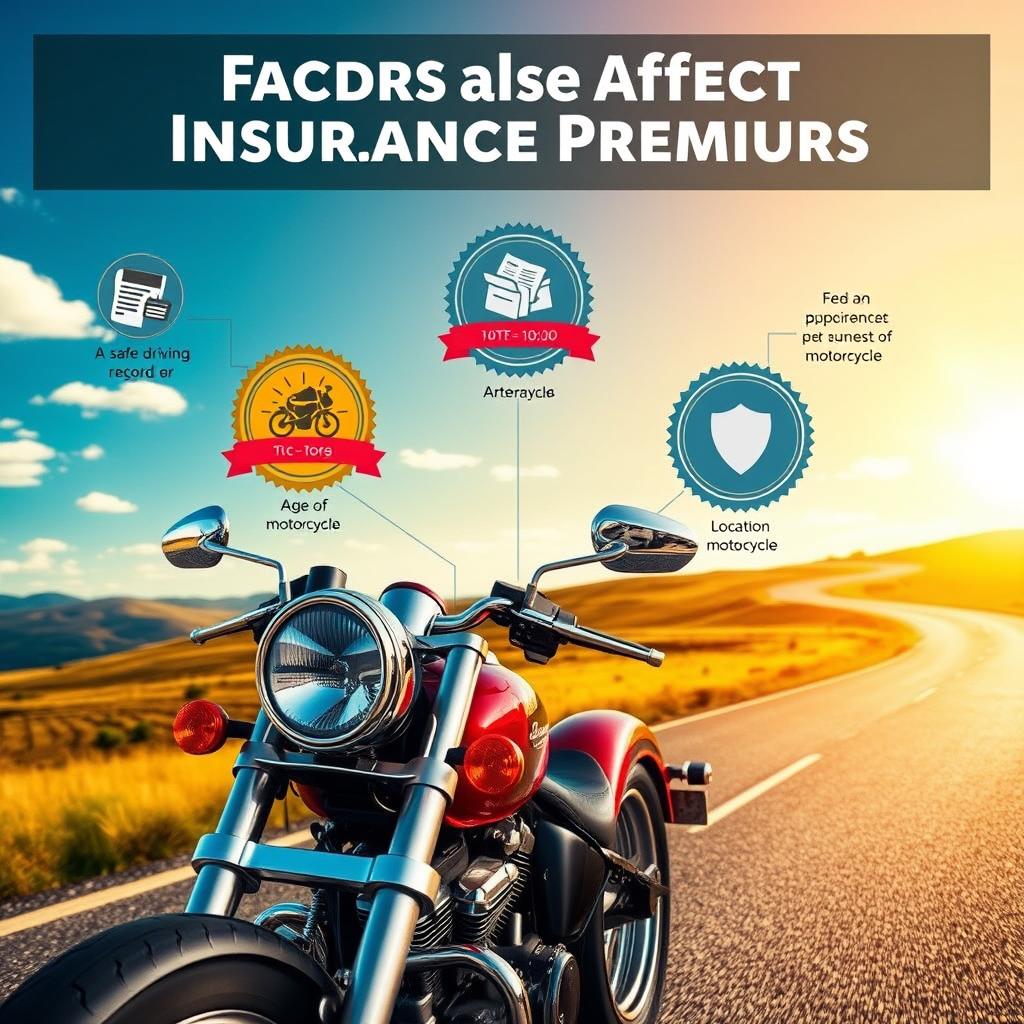
Knowing what affects motorcycle insurance costs is important for riders. Insurance companies look at different things to figure out how much to charge. This includes the motorcycle and the rider, which changes the price.
Rider Experience
Rider experience is a big factor in insurance costs. More experienced riders are seen as safer. They might get lower rates because of their clean record and experience.
On the other hand, new riders or those with accidents might pay more. This is because they are considered riskier.
Motorcycle Make and Model
The type of motorcycle also matters. High-performance bikes are seen as riskier. This means they cost more to insure.
Standard or touring bikes are often cheaper. This is because they are considered safer.
Location and Usage
Where you live and how you use your bike can change your rates. Urban areas with more crime or traffic can be more expensive. This is because there’s a higher chance of accidents or theft.
Using your bike for daily rides can also raise your rates. This is because it’s used more often, increasing the risk.
Safety Features
Safety features on your bike can lower your rates. Things like ABS and alarms make your bike safer. This can lead to lower insurance costs.
| Factor | Impact on Premium | Potential Discount |
|---|---|---|
| Rider Experience | Higher experience = Lower premium | Yes, for clean driving record |
| Motorcycle Make/Model | High-performance bikes = Higher premium | No |
| Location | Urban areas = Higher premium | No |
| Safety Features | Presence of safety features = Lower premium | Yes, for ABS, traction control, etc. |
“The right motorcycle insurance can provide financial protection and peace of mind. Understanding the factors that affect premiums is key to making informed decisions.”
By knowing what affects insurance costs, riders can save money. Looking around and comparing rates can help find the best deals.
How to Choose the Right Motorcycle Insurance

To make sure you’re well-protected, it’s key to know how to pick the best motorcycle insurance. You need to understand your needs and look at what’s available.
Assess Your Coverage Needs
First, figure out what coverage you need. Think about your motorcycle’s value, how often you ride, and your financial situation.
Key factors to consider:
- The type and value of your motorcycle
- Your riding frequency and typical routes
- Your ability to cover costs out-of-pocket in case of an accident
If your motorcycle is expensive, you might want to choose a policy that covers everything.
Compare Insurance Providers
It’s important to compare insurance providers to find the best policy. Look for companies with good rates, wide coverage, and excellent customer service.
When comparing providers, consider:
- The range of coverage options available
- Discounts offered for bundling policies, safety courses, or being a good rider
- Customer support and claims handling reputation
Read Customer Reviews
Reading what others say can give you a good idea of an insurance company’s strengths and weaknesses. Look for feedback on how easy it is to file claims and how fast they pay out.
What to look for in customer reviews:
- Feedback on the ease of filing claims and the speed of payouts
- Comments on the quality of customer service
- Any recurring issues or complaints
By understanding your needs, comparing providers, and reading reviews, you can choose the right motorcycle insurance policy.
Discounts Available for Motorcycle Insurance
Lowering your motorcycle insurance costs is easier with discounts. Insurance companies offer many discounts. These can make it cheaper to protect your bike and you.
Multi-Policy Discounts
Buying multiple policies from one insurer can save you money. For example, combining your motorcycle, auto, or home insurance can give you a multi-policy discount. This makes managing your insurance easier and can save you a lot.
To get this discount, you need to have more than one policy with the same company. Always check with your insurer to see which policies can be bundled. They’ll tell you what the discount is.
Safety Course Discounts
Finishing a motorcycle safety course can save you money. It also improves your riding skills. Many insurers offer a safety course discount to those who take the course.
These courses teach you how to drive safely and handle emergencies. Showing you’re serious about safe riding can lower your insurance costs.
Good Rider Discounts
A good rider discount can also help you save. It’s for riders with clean records, no accidents or tickets.
To qualify, you need to meet certain criteria. This might include no claims for a few years or no major tickets. Keeping a clean record not only gets you discounts but also shows you’re a low-risk rider.
Using these discounts can make your motorcycle insurance more affordable. Always talk to your insurance provider about what discounts you might be eligible for. They’ll explain the requirements for each one.
The Role of State Laws in Motorcycle Insurance
It’s key for riders to know how state laws affect motorcycle insurance. These laws set the minimum insurance needs, and they differ from state to state.
Minimum Coverage Requirements
Every state has its own rules for motorcycle insurance. They usually require liability coverage to cover damages to others in an accident. Some states also ask for personal injury protection (PIP) or uninsured/underinsured motorist coverage.
Riders must know their state’s rules to avoid fines and ensure they’re covered. For example, some states demand at least $25,000 for bodily injury per person and $50,000 for all injuries in one accident.
Understanding No-Fault States
No-fault states have unique rules for insurance claims. In these states, riders must have PIP coverage. This coverage pays for medical costs, no matter who caused the accident. About a dozen states, like Florida and Michigan, are no-fault.
Riders in no-fault states need to grasp how these laws affect their insurance and claims. It’s vital to check policy details to follow state rules.
Penalties for Non-Compliance
Not following state motorcycle insurance laws can lead to big penalties. These can include fines, losing your license, or even having your bike taken away. The penalties vary, but they can be harsh.
In some places, not having insurance can cost up to $1,000 and take away your driving rights. If you do it again, the penalties get even worse.
Riders should always check their insurance to make sure they’re following state laws. This helps avoid fines and other problems.
Tips for Saving on Motorcycle Insurance
There are many ways to save on motorcycle insurance without losing coverage. Making a few smart changes can lower your costs. This way, you can ride your motorcycle without spending too much.
Improve Your Riding Skills
Getting better at riding makes you safer and can lower your insurance. Many insurers give discounts for riders who take advanced courses. These courses show you’re serious about safe riding.
Maintain a Clean Driving Record
A clean driving record is key for lower insurance rates. Staying accident-free and avoiding tickets can save you money. Insurers see riders with clean records as less risky, so they offer better rates.
Bundle Policies for Savings
Combining your motorcycle insurance with other policies can save a lot. Many insurers offer multi-policy discounts for bundling. This can help cut down your insurance costs.
| Savings Strategy | Potential Savings | Additional Benefits |
|---|---|---|
| Improve Riding Skills | Up to 10% off premiums | Enhanced safety, lower insurance quotes |
| Maintain Clean Driving Record | Up to 20% off premiums | Avoid fines, lower accident risk |
| Bundle Policies | Up to 15% off total costs | Easier policy management, more discounts |
Using these tips can help you save on motorcycle insurance while keeping coverage strong. It’s important to check your insurance needs often. This way, you can make sure you’re getting the best rates.
Frequently Asked Questions about Motorcycle Insurance
Riders often have many questions about motorcycle insurance. They want to know about coverage levels and what to do after an accident. Knowing the answers can help you choose the right insurance for you.
How Much Coverage Do I Need?
Figuring out how much coverage you need depends on a few things. These include the value of your motorcycle, how you ride, and your financial situation. It’s important to think about these carefully to make sure you’re not under or overinsured.
- Consider the cost of replacing or repairing your motorcycle.
- Think about your ability to pay out-of-pocket for damages or medical bills.
- Review your state’s minimum coverage requirements.
Talking to insurance experts can also give you advice that fits your situation.
Can I Change My Coverage Mid-Year?
Yes, you can usually change your motorcycle insurance coverage anytime, not just when your policy is up for renewal. But, it’s important to know the rules for making changes to your policy.
Some key points to consider:
- Check if there are any penalties for mid-term changes.
- Understand how changes might affect your premiums.
- Notify your insurer promptly to avoid any gaps in coverage.
What to Do After an Accident
If you’re in a motorcycle accident, knowing what to do can help you legally and financially. Here’s a simple guide:
- Ensure your safety and the safety of others involved.
- Document the accident scene and exchange information with other parties.
- Notify your insurance company as soon as possible.
- Keep a record of any correspondence and transactions related to the accident.
For more detailed advice, consider talking to a legal or insurance expert.
Getting a Quote for Motorcycle Insurance
Getting a motorcycle insurance quote is key to finding the right coverage. You’ll need to give some important details to insurance companies to start.
Required Information
When you ask for a quote, have ready your motorcycle’s make, model, and year. Also, share your riding history and any safety features your bike has.
Online vs. Agent Quotes
You can look at motorcycle insurance quotes online or through an agent. Online quotes are easy and fast. Agents, on the other hand, offer personal advice and help you understand policies.
Policy Limits and Deductibles
Look closely at policy limits and deductibles in your quotes. Higher limits mean more protection but cost more. Lower deductibles mean you pay less upfront but might cost more overall. It’s important to compare carefully to find what works best for you.
FAQ
What is the minimum required motorcycle insurance coverage?
How can I lower my motorcycle insurance premiums?
Can I change my motorcycle insurance coverage mid-year?
What should I do after a motorcycle accident?
How do I compare motorcycle insurance quotes?
What is the difference between comprehensive and collision coverage?
Can I get a discount on my motorcycle insurance for having multiple policies?
How does my location affect my motorcycle insurance rates?
What is uninsured/underinsured motorist coverage, and do I need it?

About the Author: Macelo
A professional dedicated to producing informative content for the automotive and insurance sectors, focusing on consumer education and practical analysis of products and services. They develop texts covering topics ranging from vehicle maintenance and use to insurance contracts, coverage comparisons, and risk assessment, always using accessible and up-to-date language.