Mobile Home Insurance: Find the Best Coverage for You

Keeping your mobile home safe is key, whether you live there all the time or just part of the year. Mobile home insurance helps protect your home and your stuff inside.
Having the right insurance coverage can give you peace of mind. It helps you deal with unexpected things like natural disasters or theft.
Key Takeaways
- Understand what mobile home insurance covers.
- Recognize the importance of protecting your mobile home.
- Learn how to choose the best insurance coverage for your needs.
- Discover the benefits of having the right insurance in place.
- Find out how to protect your investment with mobile home insurance.
Understanding Mobile Home Insurance Basics
Mobile home insurance protects homeowners from damage like fire, theft, and natural disasters. It helps cover financial losses if your home or belongings get damaged or destroyed.
What is Mobile Home Insurance?
Mobile home insurance is a policy that guards your home and personal items against damage. It covers issues like fire, wind, hail, water, theft, and sometimes hurricanes, based on your policy.
Key components of mobile home insurance typically include:
- Dwelling coverage: Covers the mobile home itself
- Personal property coverage: Covers your belongings inside the home
- Liability coverage: Protects you against lawsuits for bodily injury or property damage
- Additional living expenses: Covers temporary housing costs if your home is uninhabitable due to a covered loss
Why Do You Need It?
Mobile home insurance is vital for protecting your investment and financial well-being. Without it, you might have to pay a lot to fix or replace your home and belongings after a disaster or theft.
For example, if a storm damages your mobile home, insurance can help pay for repairs or a new one. This way, you can get back to normal fast. Liability coverage also shields you from financial loss if someone gets hurt on your property.
Key Coverage Options for Mobile Homes
Understanding the key coverage options in mobile home insurance is vital. It helps protect your investment. Mobile home insurance policies offer various coverage options. These are designed to safeguard different aspects of your home and financial well-being.
Dwelling Coverage
Dwelling coverage is a key part of mobile home insurance. It pays for repairs or replacements if your home is damaged or destroyed by a covered peril.
Personal Property Coverage
Personal property coverage protects your belongings inside the mobile home. This includes furniture, appliances, and personal items. It covers damage or theft.
Liability Coverage
Liability coverage is essential. It protects you if someone is injured on your property. It can cover medical expenses, legal fees, and other costs related to liability claims.
Additional Living Expenses
If your mobile home becomes uninhabitable due to damage, additional living expenses coverage helps. It pays for temporary housing, food, and other living expenses.
| Coverage Type | Description |
|---|---|
| Dwelling Coverage | Pays for structural repairs or replacements of your mobile home. |
| Personal Property Coverage | Covers damage or theft of your personal belongings. |
| Liability Coverage | Protects you against liability for injuries on your property. |
| Additional Living Expenses | Covers temporary living costs if your home is uninhabitable. |
Different Types of Mobile Home Insurance Policies
The type of mobile home insurance policy you choose is very important. It affects your financial safety and peace of mind. There are many types of policies, each with its own coverage and benefits.
Comprehensive vs. Named Peril
Mobile home insurance policies are mainly two types: comprehensive and named peril. Comprehensive policies cover many incidents unless they are excluded. If a loss happens, it’s covered unless the policy says it’s not.
Named peril policies only cover incidents listed in the policy. If a loss happens from a not-listed peril, it’s not covered. Knowing the difference is key to getting the right coverage.
Actual Cash Value vs. Replacement Cost
Another important difference is between actual cash value (ACV) and replacement cost (RC). Actual Cash Value policies pay out based on the depreciated value of your home and belongings at the time of loss.
Replacement Cost policies pay out based on the cost to replace your home and belongings without depreciation. This means RC policies offer more financial protection, covering the full cost of replacement.
| Policy Type | Description | Key Benefit |
|---|---|---|
| Comprehensive | Covers a wide range of incidents unless specific exclusions | Broad coverage |
| Named Peril | Only covers listed incidents | Lower premiums |
| Actual Cash Value | Payout based on depreciated value | Lower payouts, lower premiums |
| Replacement Cost | Payout based on replacement cost without depreciation | Comprehensive financial protection |
Understanding these differences is key to picking the right mobile home insurance policy. By choosing wisely, you can ensure you’re well-protected against various risks.
Factors That Affect Mobile Home Insurance Rates
Many things can change how much you pay for mobile home insurance. These include where your home is, its condition, and its safety features. Knowing these can help you choose the right insurance.
Location
Where your mobile home is matters a lot for insurance costs. Places with natural disasters like hurricanes or floods cost more. Being close to fire stations and the local crime rate also affects prices.
Age and Condition of the Home
The age and state of your mobile home affect insurance rates. Older or damaged homes cost more to insure. Keeping your home in good shape can lower these costs.
Security Features
Adding security like smoke detectors and alarms can make your home safer. This might lower your insurance rates. Insurers see homes with good security as less risky.
| Factor | Impact on Insurance Rate | Potential Actions |
|---|---|---|
| Location | Higher risk areas increase premiums | Choose insurers that offer competitive rates for high-risk areas |
| Age and Condition | Older or poorly maintained homes cost more | Regular maintenance and upgrades |
| Security Features | Enhanced security can lower premiums | Install smoke detectors, alarms, and deadbolt locks |
Tips for Choosing the Right Mobile Home Insurance
To get the best mobile home insurance, you must know what you need. Look at what each insurance company offers. Then, pick the coverage that fits your situation best.
Assess Your Coverage Needs
First, figure out what coverage you need. Think about your mobile home’s value, the cost to replace your stuff, and any risks you might face. Also, consider what you’ll do if you can’t live in your home because of damage.
For example, if you have expensive items like jewelry or electronics, you might need extra coverage for them. If your area is prone to disasters, look for a policy that covers those risks.
Compare Multiple Quotes
It’s key to compare insurance quotes from different companies. This lets you see what each offers and how much it costs. Make sure the coverage levels and limits are the same when you compare.
Also, check how well the company is rated and how they treat customers. Look at reviews and ratings from outside sources.
Read Customer Reviews
Customer reviews can tell you a lot about an insurance company. Look for feedback on the claims process, customer service, and overall satisfaction. This can help you choose the right insurance for you.
By using these tips, you can find the right mobile home insurance. It will protect your home and belongings well.
Common Exclusions in Mobile Home Insurance Policies
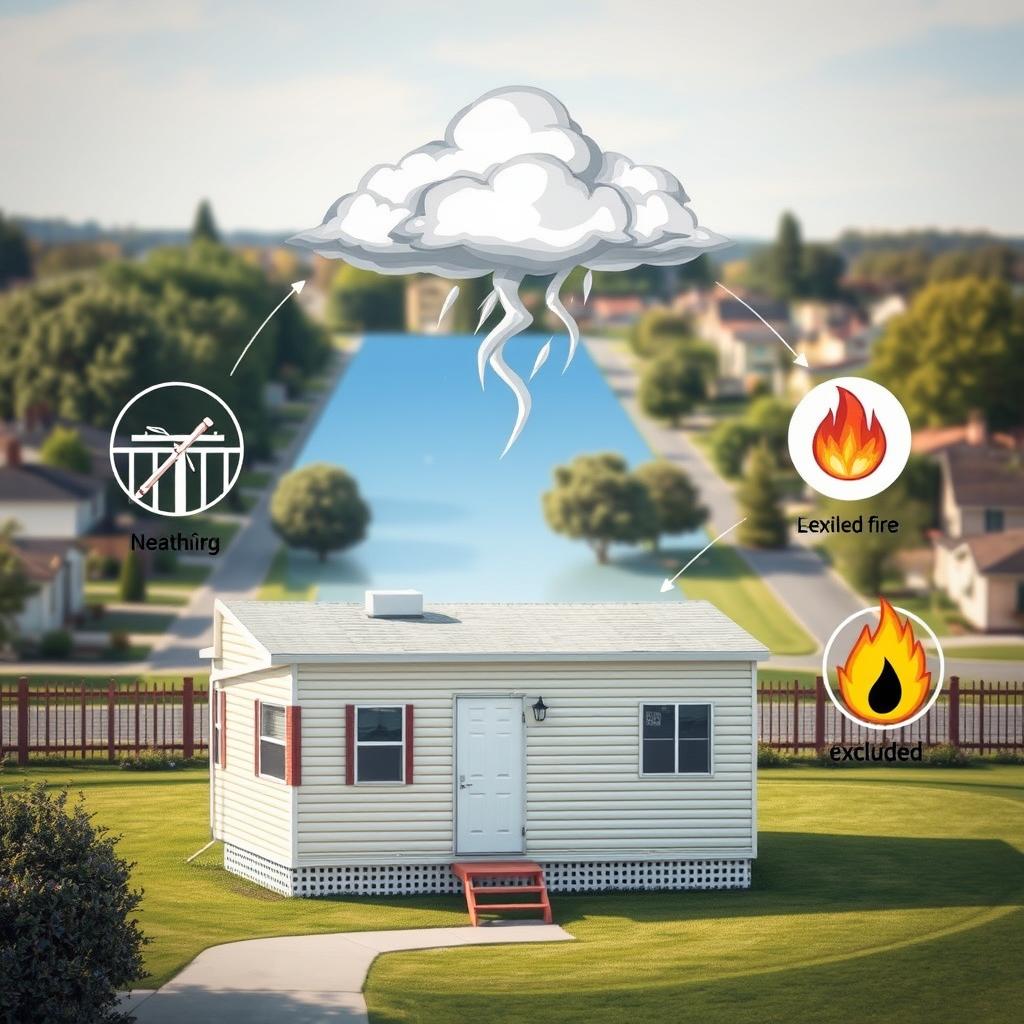
Knowing what your mobile home insurance policy doesn’t cover is key. Most policies exclude certain dangers. It’s important to know what’s not included.
Natural Disasters
Many policies don’t cover damage from natural disasters. For example, floods and earthquakes are usually not included. You might need extra coverage or riders for these risks.
Wear and Tear
Wear and tear is often not covered by insurance. Insurance is for sudden, accidental damage, not for maintenance. Keeping up with maintenance can prevent expensive repairs.
Flood and Earthquake Coverage
If you live in an area prone to floods or earthquakes, you need extra coverage. You can buy separate policies or endorsements for these risks. Knowing your area’s risks helps you choose the right coverage.
| Exclusion Type | Description | Additional Coverage Needed |
|---|---|---|
| Natural Disasters | Damages from floods, earthquakes, etc. | Yes, separate policies or riders |
| Wear and Tear | Maintenance-related damages | No, but regular maintenance is recommended |
| Flood and Earthquake | Specific coverage for flood and earthquake damages | Yes, through separate policies or endorsements |
Knowing about these exclusions and taking steps to protect your home is important. It ensures your mobile home is well-protected against different risks.
How to File a Mobile Home Insurance Claim
Filing a mobile home insurance claim has several important steps. Policyholders need to follow these steps for a smooth process.
First, you must notify your insurance provider about the incident. This initial step is key to starting the claims process.
Steps for Filing a Claim
To file a claim well, follow these steps:
- Notify Your Insurer: Call your insurance company right after the incident.
- Document the Damage: Take photos or videos of the damage to your mobile home and its contents.
- Provide Detailed Information: Be ready to give a detailed account of what happened, including the date and time of the incident.
- Submit Required Documents: Your insurer will tell you what documents you need, like repair estimates and proof of ownership for damaged items.
What Documents Are Needed?
The documents needed for a mobile home insurance claim vary. But, they usually include:
- Photos or videos of the damage
- Repair estimates from contractors
- Receipts or proof of ownership for damaged personal property
- A detailed list of damaged or lost items
Finding the Best Mobile Home Insurance Providers

Looking for mobile home insurance means finding the best providers. They offer the right protection and peace of mind. Your home and belongings are safe from various risks.
When picking an insurer, consider several things. Look at the coverage options, customer service, and the company’s financial health. The best insurers focus on mobile homes, tailoring policies for you.
Top Insurers in the Market
Several big names serve the mobile home insurance market. Foremost, American Modern, and Allstate are known for their mobile home insurance. They meet the unique needs of mobile home owners with specific policies.
| Insurer | Specialized Mobile Home Coverage | Customer Satisfaction Rating |
|---|---|---|
| Foremost | Yes | 4.5/5 |
| American Modern | Yes | 4.3/5 |
| Allstate | Yes | 4.2/5 |
Customer Satisfaction Ratings
Customer satisfaction is key when choosing an insurer. High ratings show a company’s reliability, good service, and efficient claims handling. The mentioned insurers have happy customers, showing they do well in these areas.
When picking an insurer, think about coverage and customer satisfaction. Choose a reputable company that specializes in mobile home insurance. This way, you get the protection you need.
Discounts Available for Mobile Home Insurance
You can lower your mobile home insurance costs by taking advantage of available discounts. Insurers offer various discounts to make their policies more competitive and attractive to customers.
One of the primary ways to save on mobile home insurance is by bundling multiple policies with the same insurer. This can include combining your mobile home insurance with auto insurance, life insurance, or other types of coverage.
Bundling Policies
Bundling policies is a straightforward way to reduce your insurance expenses. When you bundle, you merge multiple insurance policies under a single insurer. This can lead to significant discounts on your overall premiums.
For instance, if you have both mobile home and auto insurance, bundling them with the same provider can simplify your insurance management. It also results in cost savings. Many insurers offer discounts for customers who bundle multiple policies. This encourages customer loyalty and can reduce administrative costs for the insurer.
Safety Features Discounts
Another way to save on mobile home insurance is by installing safety features in your home. Safety features can include security systems, smoke detectors, and other devices that reduce the risk of damage or loss.
For example, installing a security system can deter theft and vandalism. Smoke detectors can minimize the risk of fire damage. Insurers often reward policyholders for taking such proactive measures by giving discounts on their premiums.
To maximize your savings, it’s essential to inquire about the specific discounts offered by your insurer. Not all insurers offer the same discounts. Comparing quotes and asking about available discounts can help you find the most affordable mobile home insurance.
Understanding the Claims Process

When you file a claim for your mobile home insurance, there are important steps to follow. Knowing what to expect and how to prepare can make the process easier.
Timeline for Claim Processing
The time it takes to process a claim can vary. It depends on the claim’s complexity and the insurance company’s efficiency. Here’s what usually happens:
- Initial Claim Reporting: Tell your insurer about the damage right away.
- Adjuster’s Assessment: An adjuster will visit to check the damage to your mobile home.
- Claim Processing: The insurance company will review your claim based on your policy.
- Payout: After approval, you’ll get a payment to cover the damages.
Tips for a Smooth Claims Experience
To make sure your claim goes smoothly, follow these tips:
- Document the Damage: Take photos and videos of the damage to your mobile home and personal property.
- Keep Records: Keep a record of all talks with your insurer, including dates, times, and details.
- Be Prepared: Have your policy documents and any other needed information ready.
By understanding the claims process and being ready, you can avoid delays and get back to normal quickly.
The Importance of Regular Policy Review
Life events can change your insurance needs. It’s key to review your mobile home insurance policy often. This keeps your coverage in line with your current needs and life situation.
When to Review Your Policy
Review your mobile home insurance policy regularly. This could be every year or when big life changes happen. These changes might include home renovations, new valuables, or financial shifts.
- Annual Review: Set up an annual check to keep your policy current.
- Renovations or Improvements: Update your policy if you’ve made big changes to your home.
- Acquiring New Valuables: Make sure new valuable items, like jewelry or electronics, are covered.
Updating Coverage After Life Changes
Life changes can affect your insurance needs. For example, getting married or having kids might mean you need to update your coverage. This protects your growing family’s assets.
| Life Change | Impact on Coverage | Action Required |
|---|---|---|
| Renovations | Increased value of the home | Update dwelling coverage |
| New Valuables | Increased personal property value | Add riders or increase personal property coverage |
| Marriage or Children | Increased liability and asset protection needs | Review and adjust liability coverage |
Regular policy reviews ensure you have the right coverage. They also help spot any coverage you don’t need, which can save you money.
By keeping up with your mobile home insurance policy, you can rest easy. You’ll know you’re protected against unexpected events.
Frequently Asked Questions About Mobile Home Insurance
Mobile home insurance can be tricky to understand. Many questions come up when looking at or changing a policy. Answering these questions can make things clearer and help you choose the right coverage.
Determining Coverage Needs
The amount of insurance you need depends on a few things. These include your home’s value, your belongings, and your financial situation. It’s key to think about what you need and compare quotes from different providers.
Insuring Older Homes
Yes, you can insure an older home. But, the age and condition of your home might change your rates. Look for insurers that focus on older homes to find the best deal.
Steps After a Loss
If you have a loss, tell your insurance company right away. Knowing what to do and having your documents ready can make things easier. Also, comparing quotes before you buy can help you pick a provider that handles claims well.
FAQ
What is mobile home insurance, and why do I need it?
What does mobile home insurance typically cover?
How much mobile home insurance do I need?
Can I get coverage if my mobile home is older?
What should I do after a loss, such as a natural disaster or theft?
How do I compare mobile home insurance quotes?
What are some common exclusions in mobile home insurance policies?
How can I lower my mobile home insurance premiums?
What is the difference between actual cash value and replacement cost policies?
How often should I review my mobile home insurance policy?

About the Author: Macelo
A professional dedicated to producing informative content for the automotive and insurance sectors, focusing on consumer education and practical analysis of products and services. They develop texts covering topics ranging from vehicle maintenance and use to insurance contracts, coverage comparisons, and risk assessment, always using accessible and up-to-date language.